Category: EV Chargers

  • How Much Does It Cost to Charge an Electric Car in Ireland?

    How Much Does It Cost to Charge an Electric Car in Ireland?

    The Fundamentals of Electric Car Charging Costs

    To calculate the cost of charging an electric car, you must first understand the relationship between battery capacity and electricity unit rates. Electricity in Ireland is billed in kilowatt-hours (kWh). If your vehicle has a 60kWh battery and your electricity provider charges you €0.35 per kWh, a full charge from empty would theoretically cost €21.00.

    However, most drivers rarely charge from zero to one hundred percent. The typical daily commute in Ireland is well within the range of modern EVs, meaning most owners simply “top up” their batteries. This makes the cost per kilometre a more useful metric for comparison against traditional fossil fuels. Generally, an electric vehicle is significantly cheaper to fuel than a petrol or diesel equivalent, provided the charging is managed intelligently.

    Residential Charging: The Most Economical Choice
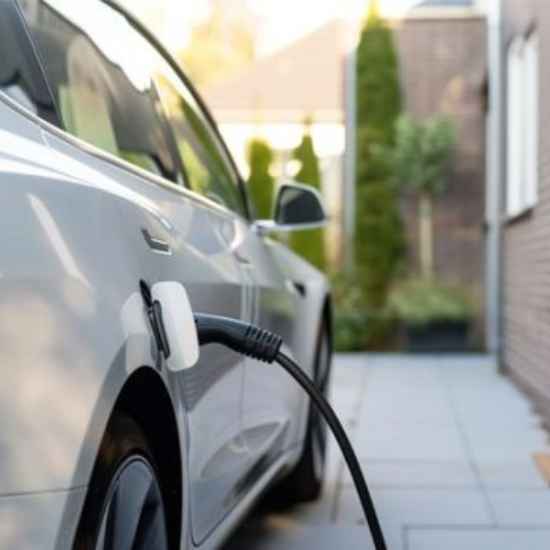
    For the vast majority of EV owners in Ireland, the home is the primary charging location. This is where the greatest savings are realised. Charging at home allows you to take advantage of domestic electricity tariffs, which are significantly lower than the commercial rates found at public rapid-charging stations.

    Standard 24-hour electricity rates in Ireland have seen fluctuations, but they remain the baseline for many households. However, the introduction of Smart Meters has opened the door to specialised EV tariffs. These “Night Boost” or “Free Saturday” plans can reduce the cost of a full charge to a fraction of the daytime price. By scheduling your car to charge between 2:00 AM and 5:00 AM, you might access rates as low as €0.08 to €0.12 per kWh.

    Estimated Costs for Home Charging

    Battery Size (kWh) Standard Day Rate (€0.38/kWh) Night/Smart Rate (€0.10/kWh)
    40 kWh (e.g., Nissan Leaf) €15.20 €4.00
    60 kWh (e.g., VW ID.3) €22.80 €6.00
    77 kWh (e.g., Hyundai IONIQ 5) €29.26 €7.70

    As the table demonstrates, the timing of your charge is the single most influential factor in your monthly energy bill. Drivers who utilise smart charging can power their vehicle for a week for the price of a single cup of coffee in a Dublin café.

    Professional Home Charger Installation

    To unlock these savings and ensure safety, a dedicated home charging point is a necessity. While some cars come with a “granny cable” for use with a standard three-pin domestic socket, these are slow and not designed for long-term heavy use. A dedicated Wallbox charger provides faster charging speeds, typically 7.2kW, and incorporates safety features that protect your home’s electrical system.

    Solar PV Panels Ireland specialises in the professional installation of high-quality home EV chargers across the country. Our team ensures that your charging setup is not only compliant with the latest electrical standards but also integrated efficiently with your home’s power supply. Having a professional installation also qualifies many homeowners for the SEAI EV Home Charger Grant, which can significantly offset the initial setup cost.

    Public Charging Infrastructure and Costs

    While home charging covers 80% to 90% of a driver’s needs, long-distance travel requires the use of the public charging network. In Ireland, this network is managed by several providers, including ESB ecars, IONITY, and Tesla. The cost of public charging is higher than home charging because you are paying for the convenience of high-speed hardware and the maintenance of the infrastructure.

    Public chargers are generally categorised into “Standard” (up to 22kW), “Fast” (50kW), and “High Power” (150kW+). The faster the charger, the higher the premium. For instance, ESB ecars currently operates a multi-tier pricing structure where registered members pay less than ad-hoc guest users.

    Public Charging Price Comparison

    Charger Type Estimated Cost per kWh (Member) Cost for 100km Range
    Standard AC (Public) €0.45 – €0.50 €7.50 – €8.50
    Fast DC (50kW) €0.55 – €0.60 €9.50 – €10.50
    High Power (150kW+) €0.65 – €0.70 €11.00 – €12.00

    Even at the higher end of the public charging spectrum, the cost is often comparable to or slightly lower than the equivalent fuel cost for a highly efficient diesel engine. However, for those who primarily charge at home, these higher costs are only incurred during occasional long trips, keeping the overall annual “fuel” bill very low.

    The Impact of Solar Energy on EV Costs
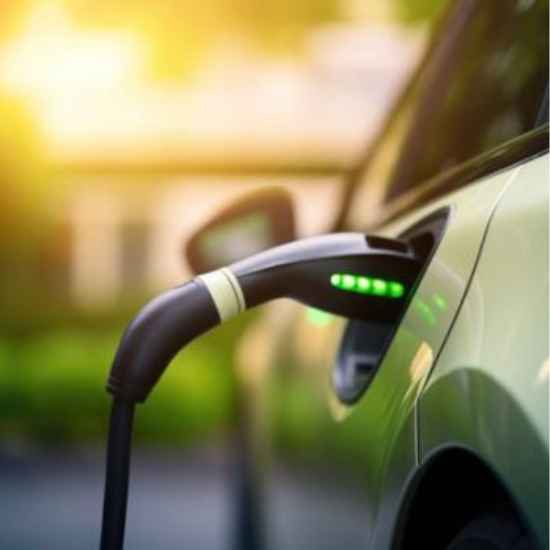
    The ultimate way to reduce the cost of charging an electric car is to produce your own electricity. By installing a Solar PV system, Irish homeowners can harness sunlight to fuel their vehicles. When your car is plugged into a solar-integrated charger during daylight hours, you are essentially driving on free, green energy.

    This synergy between solar power and electric mobility is the gold standard for sustainable living. During the summer months in Ireland, a well-sized solar array can generate enough surplus electricity to cover a significant portion of a daily commute. This reduces reliance on the grid and protects the homeowner from future increases in electricity prices. At Solar PV Panels Ireland, we help customers design systems that prioritise EV charging, ensuring that every photon of light captured by your roof translates into kilometres on the road.

    Variables That Influence Efficiency and Cost

    It is important to note that the cost per kilometre is not static. Several external factors can influence how much energy your car consumes. Temperature is a major variable; in the colder Irish winter months, lithium-ion batteries are less efficient, and the use of cabin heating requires more power. This can lead to a 10% to 20% increase in energy consumption compared to the summer.

    Driving style also plays a role. Frequent heavy acceleration and high speeds on the M50 or M7 will deplete the battery faster than steady driving in urban environments where regenerative braking can reclaim energy. By adopting a “smooth” driving style, EV owners can extend their range and lower their effective charging costs.

    Maintenance and Long-Term Savings

    When calculating the total cost of ownership, one must look beyond just the “fuel.” Electric cars have significantly fewer moving parts than internal combustion engines. There are no oil changes, no spark plugs, no timing belts, and no exhaust systems to replace. Furthermore, regenerative braking reduces the wear and tear on brake pads and discs.

    When you combine the lower cost of electricity with the reduced maintenance requirements and the cheaper motor tax rates (currently €120 per year for pure EVs), the financial argument for switching to electric becomes overwhelming. Over a five-year period, the savings compared to a petrol car can amount to thousands of Euros.

    Is the Switch Worth It?

    The transition to an electric vehicle in Ireland represents a shift toward both environmental responsibility and financial prudence. While the upfront cost of the vehicle and the installation of a home charger are considerations, the day-to-day running costs are undeniably lower.

    By utilising smart home charging, taking advantage of SEAI grants, and potentially integrating solar power, Irish drivers can insulate themselves from the rising costs of traditional fuels. The infrastructure in Ireland continues to improve, making range anxiety a thing of the past and cost-effective travel a reality for the present.

    If you are ready to take the next step in your EV journey, ensuring you have the right home charging infrastructure is vital. Solar PV Panels Ireland is here to provide expert advice and professional installation services to ensure your transition to electric driving is as seamless and cost-effective as possible. Contact us today to learn how we can help you power your future.
  • How Do Electric Cars Help The Environment?

    How Do Electric Cars Help The Environment?

    The beautiful landscape of Ireland faces a challenge from the modern era of transport. For decades, our reliance on fossil fuels has left a measurable mark on the atmosphere, with the transport sector standing as one of the largest contributors to carbon emissions in the country. However, the tide is turning. As we move through 2026, the adoption of electric vehicles (EVs) is no longer a niche choice. Understanding the profound impact these vehicles have on our ecosystem requires looking past the battery and into the entire lifecycle of how we generate energy.

    Eliminating Tailpipe Emissions

    The most immediate and undeniable way that electric cars help the environment is through the total elimination of tailpipe emissions. Traditional internal combustion engines function by burning petrol or diesel, a process that releases a significant volume of carbon dioxide, nitrogen oxides and particulate matter directly into the air. In a bustling city centre like Dublin or Galway, these pollutants become trapped at street level, contributing to poor air quality and respiratory health issues for the local people.

    When you switch to an electric vehicle, you effectively remove that chimney from your life. EVs produce zero exhaust emissions while driving. This doesn’t just help the global climate by reducing greenhouse gases, it has a big effect on the local environment. Cleaner air means healthier communities. It means a reduction in the smog that can often cover urban areas. In Ireland, our air is what makes us a clean and natural destination.

    Reducing the Carbon Debt Through Vehicle Lifecycle Efficiency

    A common point of discussion regarding electric cars is the environmental cost of their manufacturing, especially the production of lithium-ion batteries. It is true that the initial “carbon debt” of an electric car is higher than that of a conventional petrol car due to the mining and assembly processes required for the battery. However, focusing solely on this provides a misleading picture of a vehicle’s true impact.

    Research consistently shows that this carbon debt is paid back quickly once the car is on the road. In the context of the European energy mix, an EV usually becomes cleaner than a fossil-fuel equivalent within the first two years of normal driving. Over its entire lifespan, an electric vehicle will produce significantly lower total emissions than any petrol or diesel car. 

    Battery recycling technology has reached a point where precious metals like cobalt and lithium can be recovered and reused, reducing the need for new mining operations and ensuring that the materials used in today’s EVs power the transport of tomorrow.

    Irish National Grid and Renewable Energy

    One of the most exciting aspects of driving an EV in Ireland is the decarbonisation of our national electricity grid. EirGrid has made significant progress in integrating wind and solar energy into the national supply. This means that every year, the electricity used to charge your car becomes cleaner. Unlike a petrol car, which remains just as polluting throughout its entire lifespan, an electric car actually gets “greener” as it ages because the grid is evolving toward 100% renewable energy.

    Electric cars also play a practical role in supporting the grid’s stability. They act as flexible energy loads that can be charged when renewable production is at its peak. For example, during a windy night in the Atlantic, Ireland often generates more wind power than the population currently needs. By charging EVs during these off-peak hours, we are essentially “storing” that clean wind energy in our car batteries rather than letting it go to waste. This makes the entire national energy system more efficient and reduces our reliance on imported gas and coal.

    Solar Energy and EV Charging

    While the national grid is improving, the most environmentally conscious way to power an electric vehicle is to generate the energy yourself. This is where the true potential for a carbon-neutral lifestyle begins. By installing solar PV panels, you can take sunlight directly from your roof and convert it into the clean electricity needed to move your car. This setup eliminates the carbon footprint associated with energy transmission and ensures that your “fuel” is 100% renewable and free of charge.

    To make this vision a reality, Solar PV Panels Ireland install EV chargers that integrate seamlessly with your domestic solar panels. By having a professional installation that connects your solar panels to a dedicated home charger, you can take advantage of “solar diversion” technology. This system ensures that any excess electricity your home produces during the day is directed straight into your vehicle’s battery rather than being sent back to the grid for a lower return. It turns your home into a self-sufficient energy hub. This allows you to drive purely on sunshine.

    The Mitigation of Noise Pollution

    Environmental protection isn’t just about the gases we release; it is also about the noise we create. Noise pollution is a significant but often overlooked environmental stressor that affects both humans and wildlife. Traditional engines create a constant drone of mechanical noise that can disrupt various Irish bird and mammal species. In urban environments, the constant hum of traffic is linked to increased stress and cardiovascular issues in humans.

    Electric vehicles are remarkably quiet, especially at lower speeds. As more people move to EV’s, our residential streets and rural lanes become more peaceful. This reduction in noise pollution helps to restore the natural soundscapes of the Irish countryside and makes our cities more liveable. For the environment, this means a more harmonious coexistence between our infrastructure and nature. This allows for a quieter landscape that benefits all inhabitants.

    Mechanical Efficiency and Waste Reduction 

    Beyond emissions, the very physics of an electric motor is more environmentally friendly than that of a combustion engine. Internal combustion engines are notoriously inefficient, wasting up to 80% of the energy in their fuel as heat. Only about 20% of the energy you pay for at the pump actually moves the car forward. Electric motors, by contrast, are over 90% efficient. This means that far less energy is required to travel the same distance.

    EVs also feature regenerative braking, a system that captures the energy usually lost during deceleration and pumps it back into the battery. This doesn’t just save energy, it also reduces the wear and tear on brakes. Normal braking creates friction that releases fine metallic dust into the environment, another form of pollution. Because EVs use the motor to slow down, they produce far less brake dust and require fewer replacement parts over their lifetime. This reduction in mechanical waste is a quiet but crucial win for the planet.

    A Greener Path Forward for Ireland

    The move to electric vehicles is a vital component of Ireland’s commitment to a sustainable future. By addressing the problems of air quality, carbon emissions and resource waste, EVs offer a pathway to a cleaner and more efficient transport system. When combined with the power of domestic renewable energy, the benefits are huge. Taking the step to generate your own power and charge your own vehicle is the ultimate way to protect the Irish environment for future generations.

    Reach out to Solar PV Panels Ireland today, to enquire about EV chargers or solar panels.

  • Can You Power an EV with Solar Panels in Ireland?

    Can You Power an EV with Solar Panels in Ireland?

    For homeowners in Ireland, the last few years have seen a “perfect storm” of rising energy costs and a surge in electric vehicle (EV) adoption. If you’re one of the thousands making the switch to an EV, you’re already saving a fortune on petrol or diesel.

    But one question is on every new and potential EV owner’s mind: “Can I power my new EV with my own solar panels?”

    The short answer is: Yes, absolutely. And it’s one of the single best financial and environmental moves you can make. It’s the dream scenario: you create your own clean electricity on your roof and use it to run your car for free. It’s the ultimate way to achieve true energy independence.

    However, you can’t just plug your car into a standard socket and hope for the best. To do it properly, you need the right technology.

    This guide will break down everything you need to know about pairing solar panels with an EV charger in Ireland, from the tech involved to the costs and incredible savings.

    Why Charge Your EV with Solar?

    Pairing solar panels with an electric car isn’t just a gimmick; it’s a perfect synergy. The two technologies solve each other’s problems.

    1. “Free” Fuel, Forever: This is the most obvious benefit. The sun’s energy is free. Once your panels are installed, every kilometre you drive on solar-generated electricity is a kilometre you didn’t pay for. With grid electricity prices remaining volatile, this protects you from future price hikes.
    2. Become Genuinely Zero-Emissions: An EV is only as clean as the electricity that powers it. If you’re charging from the grid at night (which is often powered by gas), you still have a carbon footprint. Charging directly from your own solar panels makes your EV truly zero-emissions.
    3. Maximise Your Solar Investment (ROI): The SEAI’s “Clean Export Guarantee” is a great step forward, but you are paid a much lower rate for exporting your excess solar power than the rate you pay to buy it. The most-savvy homeowners use every last kilowatt they generate. Using that surplus electricity to charge your 60kWh car battery is far more valuable than exporting it for a few cents.
    4. Energy Independence: There is no better feeling than watching your meter and knowing you’re not importing from the grid. You’re generating, storing, and using your own power for your home, your hot water, and your car.
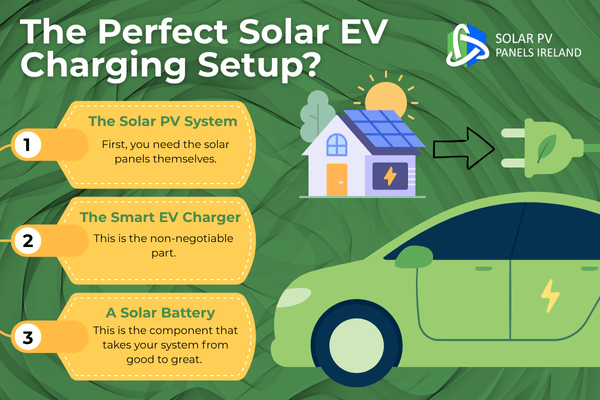
    the perfect solar ev setup

    How Does Charging an EV with Solar Actually Work?

    This is where the technology gets clever.

    When your solar panels are generating electricity, your home’s appliances (fridge, TV, etc.) will use it first. If you’re generating more power than your house needs, this “surplus” or “excess” electricity has to go somewhere.

    Without an EV, it would just be exported back to the grid.

    But you can’t just plug your car in. A standard EV charger doesn’t know where the electricity is coming from. It will just pull 7.4kW of power from whatever source is available and if your panels are only producing 2kW, the charger will pull the other 5.4kW straight from the grid, costing you money.

    This is where the single most important piece of the puzzle comes in. To charge your car only with solar, you need a Smart EV Charger.

    A Smart EV Charger (sometimes called an “eco-friendly” or “solar-aware” charger) is the “brain” of the operation. It communicates with your solar panel system and your home’s main electricity meter.

    Here’s how it works:

    1. A “CT Clamp” is Installed: A small device called a Current Transformer (CT) clamp is attached to your main electricity cable. This clamp’s job is to monitor your whole house. It can see in real-time if you are importing power from the grid or exporting surplus solar power to the grid.
    2. The Smart Charger Reads the Data: The clamp sends this information to the smart charger. The charger now knows exactly how much spare, free solar electricity is available at any given second.
    3. You Choose Your “Eco-Mode”: This is the magic. You select a “solar-only” or “eco” mode.

    The Magic of “Eco-Mode” (Solar-Only Charging)

    When you set your smart charger to its eco-mode, it will behave in one of two ways:

    • 1. “Solar-Only” Mode: This is for the purist. The charger will wait until it detects a minimum amount of surplus solar (usually 1.4kW) before it even begins to charge the car. If a big cloud covers the sun and your surplus drops, the charger will pause the charging session. When the sun returns, it resumes. Your car will only ever receive 100% free, solar-generated electricity.
    • 2. “Eco-Boost” Mode: This is a blended mode. It will use all available solar power and then “top up” from the grid to a consistent level (e.g., 3.6kW). This is useful if you need to charge but still want to maximise your free energy and charge faster than the sun alone will allow.

    Of course, all smart chargers also have a “Boost” or “Fast” mode. This setting makes it act like a normal charger, pulling the full 7.4kW (from solar and grid) to charge your car as fast as possible, regardless of cost.

    What Do I Need for the Perfect Solar EV Charging Setup?

    To get this system up and running, you need three key components.

    1. The Solar PV System (The Engine)

    First, you need the solar panels themselves. A common question we get is, “How many panels do I need to charge my car?”

    Let’s break down the maths for a typical Irish homeowner:

    • A standard EV gets about 5-6 km per kWh of electricity.
    • The average Irish driver travels about 17,000 km per year.
    • This means the average EV needs ~2,800 – 3,400 kWh of electricity per year to run.

    Now, let’s look at a solar panel system:

    • A modest 6kWp solar system (around 14-16 high-efficiency panels) in Ireland will generate, on average, 5,100 – 5,400 kWh per year.

    As you can see, a standard-sized solar PV system generates more than enough electricity over the year to cover the entire annual mileage of your car. The challenge is simply getting that power into the car, which is where the smart charger comes in.

    2. The Smart EV Charger (The Brain)

    This is the non-negotiable part. As mentioned, this is the device that monitors your solar output and diverts the surplus to the car. Brands like Zappi are market leaders in this and are specifically designed for this “solar-aware” charging.

    3. A Solar Battery (The “Optional but Powerful” Extra)

    This is the component that takes your system from good to great. Most people are at work during the day when the sun is shining and solar generation is at its peak. They are at home in the evening and overnight, when the car needs to be charged.

    • Without a battery: You can only charge your car with solar when it’s sunny and the car is physically plugged in at home.
    • With a battery: Your panels generate free electricity all day and store it in your 5-10kWh home battery. You come home at 7 PM, plug in your EV, and your smart charger pulls that free, stored solar energy from your home battery and puts it into your car battery.

    This is the ultimate setup: you charge your car overnight, for free, using the energy you captured 8 hours earlier.

    Let’s Talk Numbers: Irish Costs, Grants & Savings

    This combination of tech is a significant investment, but the payback is faster than ever.

    The Savings

    • Petrol/Diesel: The average Irish driver (17,000 km) in a petrol car (5.5 L/100km) at €1.80/L is spending €1,683 per year on fuel.
    • Grid Electricity: That same driver in an EV (17,000 km) charging only on the grid at a 35c/kWh average rate is spending €1,071 per year on electricity. (This is still a good saving!)
    • Solar Power: That same driver charging only from their solar panels is spending €0 per year on electricity.

    Your annual saving on “fuel” is over €1,600 compared to a petrol car, and over €1,000 compared to grid-charging your EV.

    The Grants

    The Irish government actively supports this move through the SEAI.

    1. SEAI Solar PV Grant: You can receive up to €2,100 towards the cost of your solar panels and a battery (or €2,400 for panels alone, though this is changing in 2025). This makes the initial investment much lower.
    2. SEAI Home EV Charger Grant: You can claim a separate grant of €300 towards the cost and installation of your smart EV home charger.

    These two grants are separate and can be combined, knocking a significant amount off the total installation cost.

    The Solar PV Panels Ireland “All-in-One” Solution

    Here’s a common problem: you get a solar company to install your panels, and then you have to find a separate electrician or EV charger company to install the charger. The two teams might not communicate, and you’re left trying to figure out if the systems are compatible.

    This is where we come in.

    At Solar PV Panels Ireland, we are experts in the entire home energy ecosystem. We don’t just install solar panels, and we don’t just install EV chargers. We design and fully install them together.

    Our expert team will handle your entire project from start to finish:

    • Free Survey: We design the perfect solar PV system for your roof.
    • Battery Storage: We’ll size a battery (if you want one) to meet your home’s needs.
    • Smart EV Charger: We will supply and install a top-tier smart EV charger at the same time.
    • One Installation: Our team does it all in one go, ensuring your panels, inverter, battery, and charger are all communicating perfectly from day one.
    • Grant Handling: We’ll guide you through the SEAI grant applications for both your solar and your EV charger.

    You get one point of contact, one seamless installation, and the peace of mind that your system is designed to work as one.

    The Final Verdict: Is It Worth It?

    Without a doubt, yes. Charging your EV with your own solar panels is the single most powerful way to take control of your energy costs. It future-proofs your home, slashes your bills, and turns your car into a truly zero-emissions vehicle.

    You’ve already made the smart move by choosing an EV. Now, take the final step and run it on free, clean energy that you generate yourself.

  • The Ultimate Guide to the Best Electric Vehicle Chargers in Ireland for 2026

    The Ultimate Guide to the Best Electric Vehicle Chargers in Ireland for 2026

    The roads of Ireland are steadily being electrified. With a growing commitment to sustainable transport, electric vehicles (EVs) are no longer a niche choice. They are a mainstream reality for countless households and businesses. As sales in Electric Vehicles continue to soar, the convenience and efficiency of home charging has become really important. In 2026, choosing the right EV charger for your Irish home isn’t just about plugging in. It’s about optimising your energy use, maximising savings and embracing a smart and green lifestyle.

    At Solar PV Panels Ireland, we understand the evolving needs of EV owners. Especially those looking to integrate their charging solutions with their existing or planned solar PV systems. We are committed to providing and installing the most efficient and intelligent EV chargers on the market. We ensure you power your journey with clean, sustainable energy. This guide will walk you through the best electric vehicle chargers available in Ireland for 2026. We’ll have a special focus on the leading innovations from MYENERGI ZAPPI and SIGENERGY, both of which we proudly offer.

    Why Home EV Charging is Essential in 2026

    For most EV owners, home charging is the most convenient and cost-effective way to keep their vehicle powered. Imagine waking up every morning to a fully charged car that is ready for your daily commute. Or next adventure! You won’t need to make detours to public charging stations. Beyond the convenience, home charging offers:

    Cost Savings: By charging during off-peak electricity hours, often overnight, you can significantly reduce your running costs compared to public rapid chargers. And compared to traditional petrol/diesel.

    Autonomy & Control: You dictate when and how your car charges. This gives you complete control over your energy consumption and billing.

    Environmental Benefits: Coupled with renewable energy sources like solar PV, home charging allows you to power your vehicle with truly green energy. This further reduces your carbon footprint.

    Future-Proofing Your Home: With the continuous rise in EV sales, installing a home charger is an excellent way to add value to your property and make it a bit more modern.

    Key Considerations When Choosing an EV Charger in Ireland

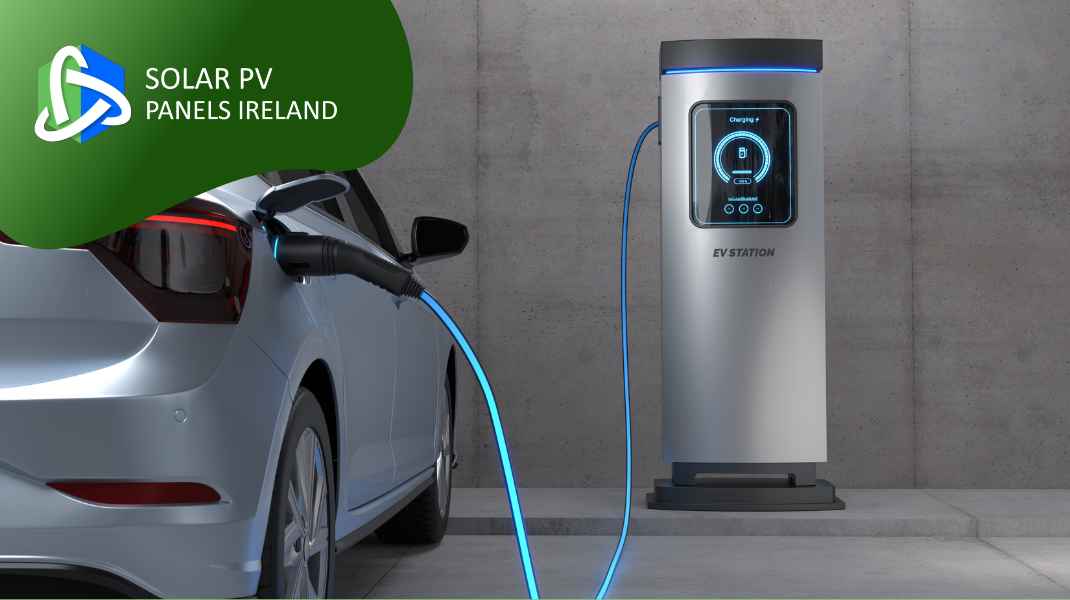
    cars

    Navigating the market for an EV charger can seem complex but understanding a few key factors will simplify your decision:

    Charging Speed (kW)

    For residential use in Ireland, the most common and practical EV charger output is 7.4 kW. This Level 2 charger can typically provide a full charge for most EVs in 3-6 hours. This makes it ideal for overnight charging. While higher outputs like 11 kW or even 22 kW are available, they often require a three-phase electricity supply. This is less common in standard Irish homes. For most homeowners, 7.4 kW strikes the perfect balance between speed and cost.

    Smart Features & Connectivity

    Modern EV chargers are far more than just power outlets. They come equipped with smart functionalities that allow for:

    App Control: Manage and monitor your charging sessions from your smartphone.

    Scheduling: Set specific times for charging to take advantage of off-peak electricity rates.

    Load Balancing: This crucial feature monitors your home’s overall electricity consumption. And it adjusts the charger’s power draw to prevent overloading your electrical supply.

    Remote Monitoring: Track your energy usage, cost savings and charger performance from anywhere.

    Solar PV Integration

    For homeowners with solar panels, the ability of an EV charger to integrate with your solar PV system is a real game-changer. Chargers designed for solar compatibility can divert surplus solar energy directly to your EV. This maximises your self-consumption of free, clean power and further reducing your reliance on grid electricity. This synergy between solar generation and EV charging represents the best of home energy efficiency.

    Tethered vs. Untethered

    Tethered Chargers: Come with a permanently attached cable and connector. This offers convenience as you don’t need to get your car’s charging cable out every time.

    Untethered Chargers: These have a socket. They require you to use your car’s portable charging cable or purchase a separate one. This offers flexibility if you have multiple EVs with different connector types. Or  you just prefer a tidier look when not in use.

    Safety & Durability

    Given Ireland’s often wet and windy climate, ensure your chosen charger is weatherproofed (rated IP54 or higher) and built to last. More importantly, make sure the charger meets all necessary Irish and European electrical safety standards. Professional installation by a Safe Electric registered professional is crucial for safety and compliance.

    Grant Eligibility & Cost

    The Sustainable Energy Authority of Ireland (SEAI) offers grants to support the installation of home EV chargers. As of 2026, these grants significantly reduce the net cost of installation. While the typical cost for installing a 7.4 kW home charger ranges between €1,000 and €1,500 (before the grant), the SEAI grant helps make this investment even more accessible. It often covers a substantial portion of the cost. Always check the latest SEAI grant details to ensure eligibility.

    Top EV Chargers in Ireland for 2026: A Detailed Look

    While the market offers a variety of excellent EV chargers, certain models stand out for their innovation, reliability, and suitability for the Irish homeowner. Particularly those with an eye on solar integration.

    MYENERGI ZAPPI: The Solar EV Charging Champion

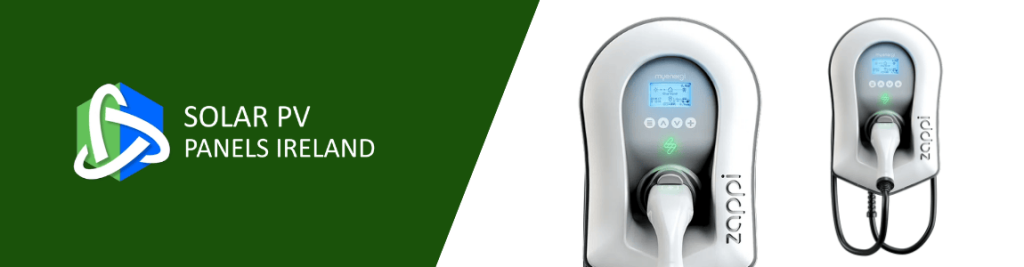
    MYENERGI ZAPPI

    The myenergi Zappi is, without doubt, the most popular EV charger on the market for solar panel owners in Ireland. And for very good reason. Designed with energy independence in mind, the Zappi truly maximises your self-consumption of renewable energy.

    Key Features & Benefits:

    • Solar Optimisation (Eco+ & Eco Modes): Zappi’s standout feature is its ability to divert surplus solar power directly to your EV. In Eco+ mode, it intelligently charges your car using only your self-generated solar energy, pausing or adjusting if too much power is drawn from the grid. In Eco mode, it prioritises solar but will top up from the grid if needed. This means you can charge your car for free, directly from your solar panels.
    • MyEnergi App Control: Full control is at your fingertips with the intuitive MyEnergi app. Monitor your energy usage, set charging schedules to benefit from off-peak rates, and enable fast-charge settings when you need a quick boost.
    • Flexible Charging: Zappi offers various charging modes, including “Fast” for rapid charging regardless of solar availability, making it versatile for all situations.
    • Robust & Built for Ireland: Designed to withstand the unpredictable Irish weather, Zappi units are durable and reliable, ensuring long-term performance.
    • SEAI-Approved: Eligible for the home charger grant, making your investment even more worthwhile.
    • Future-Proof: Available in both single and three-phase models, Zappi caters to various electrical setups and is designed to integrate with other myenergi products like Eddi (power diverter) and Libbi (battery storage).

    For any home with solar PV panels, the Zappi charger is the ultimate choice, turning your clean energy generation directly into mileage for your electric vehicle.

    SIGENERGY: Smart, Solar-Optimised Charging

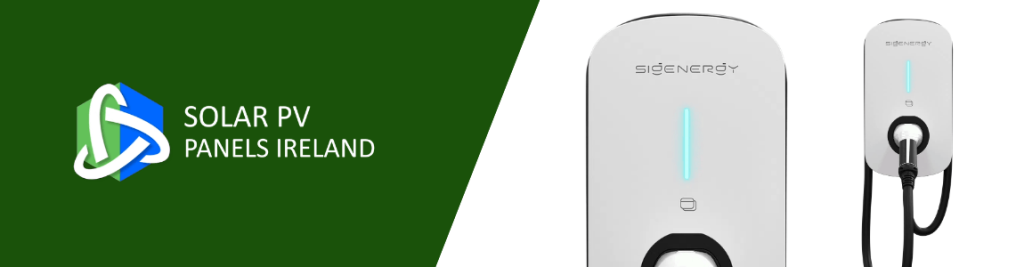
    SIGENERGY

    SIGENERGY represents another excellent choice for sophisticated EV charging, particularly for those looking for advanced integration with home energy storage systems. The Sigen EV AC Charger empowers you to take control of your energy consumption and savings.

    Key Features & Benefits:

    • Leveraging Solar Energy: Like the Zappi, the Sigenergy charger is designed to seamlessly integrate with solar PV systems, allowing you to charge your EV using clean, self-generated power instead of relying solely on grid electricity.
    • Intelligent Charging Options: This charger goes a step further by offering intelligent charging modes that can:
      • Prioritise Low Utility Rates: Schedule charging to occur when electricity prices are lowest, optimising your energy expenditure.
      • Integrate with Home Energy Storage: Tap into the power stored in your home battery system, allowing you to charge your EV even when the sun isn’t shining, completely off-grid.
    • Comprehensive Energy Management: SIGENERGY solutions often extend beyond just the EV charger, forming a complete ecosystem that can manage your solar generation, battery storage and EV charging for holistic home energy optimisation.

    For those seeking a highly intelligent charger that integrates deeply with a comprehensive home energy management system, SIGENERGY offers a compelling and future-ready solution.

    Other Highly-Rated EV Chargers

    While Zappi and Sigenergy are top contenders, especially for solar homeowners, it’s worth noting other excellent chargers that feature prominently in the market:

    • Ohme Home Pro: A popular choice in Ireland known for its smart charging capabilities, including tariff integration to automatically charge when electricity is cheapest. It often features an LCD screen and a tethered cable.
    • Wallbox Pulsar Plus: This compact yet powerful charger is a global favourite, lauded for its sleek design, user-friendly app, and robust performance. It offers smart features like power sharing and scheduling.
    • ChargePoint Home Flex: Known for its comprehensive app, which provides nuanced cost tracking and integrates with ChargePoint’s extensive public charging network. Newer 2026 models are even pushing boundaries with higher 19.2kW Level 2 charging capabilities, an “Omni Port” that supports both J1772 and NACS connectors, and bi-directional charging capabilities (though requiring additional home integration).
    • Emporia EV Charger: Often highlighted for its excellent features at an attractive price point, including sophisticated load management.

    The Synergies of Solar PV and EV Charging

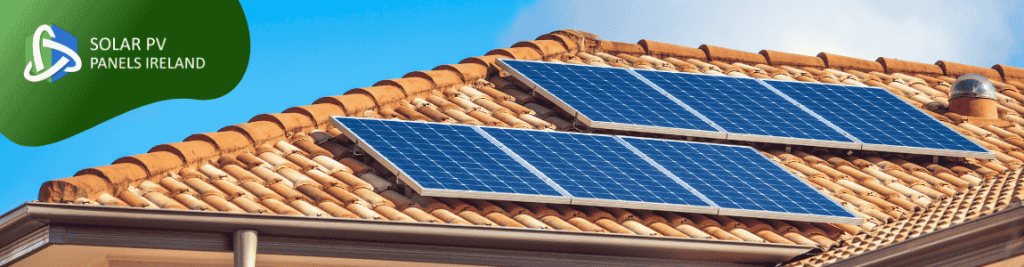
    solar panels on roof

    For Solar PV Panels Ireland clients, the decision to install an EV charger is perfectly complemented by a solar PV system. The synergy is undeniable:

    • Maximised Savings: Generate your own electricity, store it in batteries, and then use it to charge your car, drastically reducing or even eliminating your electricity bills for transportation.
    • Enhanced Energy Independence: Less reliance on fluctuating grid prices and public charging infrastructure.
    • Reduced Carbon Footprint: Drive with zero tailpipe emissions, powered by 100% clean, renewable energy.
    • Optimised System Performance: Solar-compatible chargers like Zappi and Sigenergy intelligently manage power flow, ensuring your self-generated energy is used efficiently before drawing from the grid.

    At Solar PV Panels Ireland, we are experts in designing and installing integrated solar and EV charging solutions that are tailored to your specific needs, helping you achieve true energy independence.

    Professional Installation & SEAI Grants: Your Path to Home Charging

    Regardless of the EV charger you choose, professional installation by a certified and Safe Electric registered electrician is paramount. This ensures your charger is safely and correctly installed, compliant with all Irish electrical regulations, and eligible for any available grants.

    The SEAI Home Charger Grant remains a significant incentive for Irish homeowners. Make sure you check the latest requirements and application process through the SEAI website. A qualified installer, like Solar PV Panels Ireland, can guide you through the grant application process, making it as smooth as possible.

    Going Forward

    As we move further into 2026, the landscape of electric vehicle charging in Ireland is more advanced and accessible than ever before. With innovative chargers like the MYENERGI ZAPPI and SIGENERGY leading the charge, combined with the power of solar PV, Irish homeowners have unprecedented opportunities to embrace sustainable transport and significantly reduce their energy costs.

    Choosing the best EV charger depends on your specific needs, budget and whether you want to integrate with solar. However, the common thread among the top contenders is smart technology, reliability, and the ability to enhance your home energy ecosystem.

    At Solar PV Panels Ireland, we are committed to providing cutting-edge EV charging solutions tailored for the Irish market. Contact us today for a consultation, and let us help you find and install the perfect EV charger to power your electric journey efficiently and sustainably.