Summary
- Zero Tailpipe Emissions: Electric vehicles improve Irish air quality and reduce greenhouse gas levels by eliminating the pollutants and CO2 released by traditional petrol and diesel engines.
- Lifecycle Sustainability: While battery production has an initial carbon cost, EVs “pay back” this debt within two years.
- Renewable Energy Synergy: EVs integrate perfectly with Ireland’s increasingly green power grid. They act as mobile storage for wind and solar energy rather than relying on imported fossil fuels.
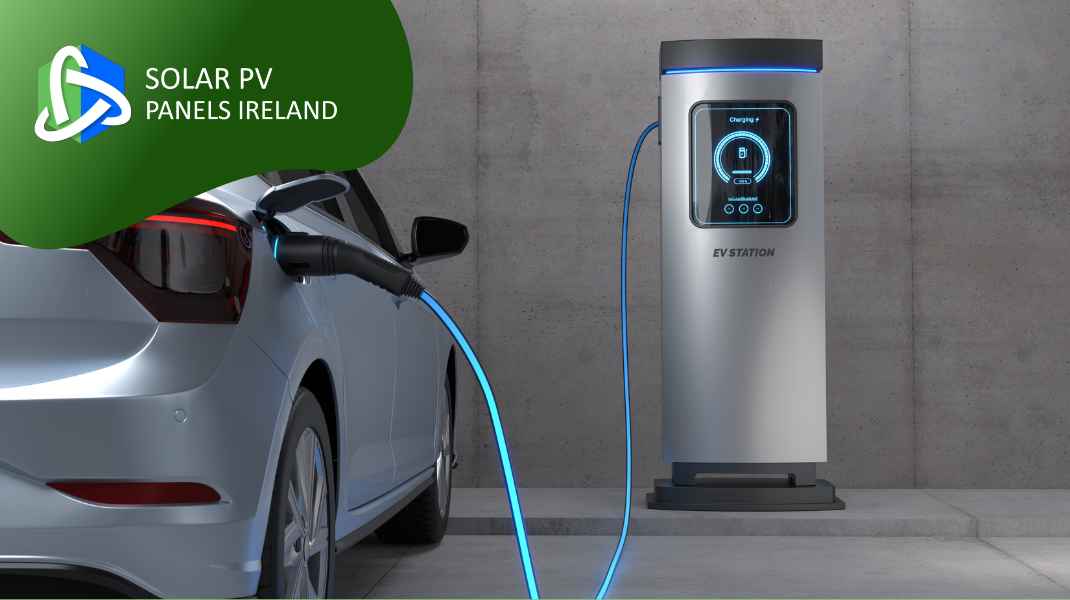
- Domestic Solar Integration: Homeowners can achieve total energy independence by using solar panels to power their cars. Solar PV Panels Ireland install EV chargers to facilitate this seamless, sun-powered travel.
The beautiful landscape of Ireland faces a challenge from the modern era of transport. For decades, our reliance on fossil fuels has left a measurable mark on the atmosphere, with the transport sector standing as one of the largest contributors to carbon emissions in the country. However, the tide is turning. As we move through 2026, the adoption of electric vehicles (EVs) is no longer a niche choice. Understanding the profound impact these vehicles have on our ecosystem requires looking past the battery and into the entire lifecycle of how we generate energy.
Eliminating Tailpipe Emissions
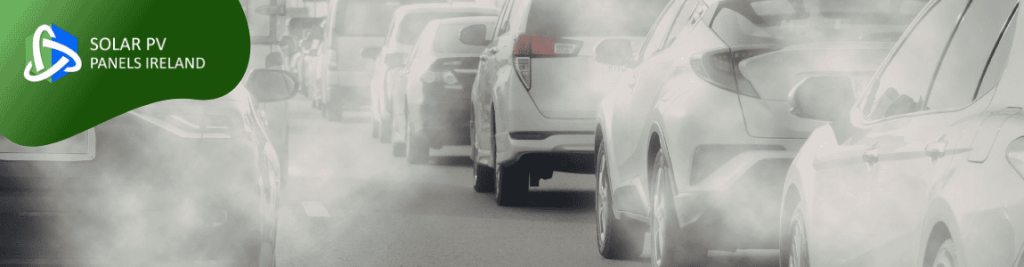
The most immediate and undeniable way that electric cars help the environment is through the total elimination of tailpipe emissions. Traditional internal combustion engines function by burning petrol or diesel, a process that releases a significant volume of carbon dioxide, nitrogen oxides and particulate matter directly into the air. In a bustling city centre like Dublin or Galway, these pollutants become trapped at street level, contributing to poor air quality and respiratory health issues for the local people.
When you switch to an electric vehicle, you effectively remove that chimney from your life. EVs produce zero exhaust emissions while driving. This doesn’t just help the global climate by reducing greenhouse gases, it has a big effect on the local environment. Cleaner air means healthier communities. It means a reduction in the smog that can often cover urban areas. In Ireland, our air is what makes us a clean and natural destination.
Reducing the Carbon Debt Through Vehicle Lifecycle Efficiency
A common point of discussion regarding electric cars is the environmental cost of their manufacturing, especially the production of lithium-ion batteries. It is true that the initial “carbon debt” of an electric car is higher than that of a conventional petrol car due to the mining and assembly processes required for the battery. However, focusing solely on this provides a misleading picture of a vehicle’s true impact.
Research consistently shows that this carbon debt is paid back quickly once the car is on the road. In the context of the European energy mix, an EV usually becomes cleaner than a fossil-fuel equivalent within the first two years of normal driving. Over its entire lifespan, an electric vehicle will produce significantly lower total emissions than any petrol or diesel car.
Battery recycling technology has reached a point where precious metals like cobalt and lithium can be recovered and reused, reducing the need for new mining operations and ensuring that the materials used in today’s EVs power the transport of tomorrow.
Irish National Grid and Renewable Energy
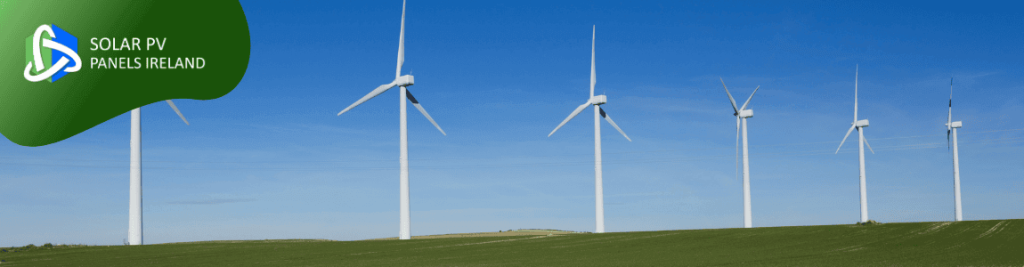
One of the most exciting aspects of driving an EV in Ireland is the decarbonisation of our national electricity grid. EirGrid has made significant progress in integrating wind and solar energy into the national supply. This means that every year, the electricity used to charge your car becomes cleaner. Unlike a petrol car, which remains just as polluting throughout its entire lifespan, an electric car actually gets “greener” as it ages because the grid is evolving toward 100% renewable energy.
Electric cars also play a practical role in supporting the grid’s stability. They act as flexible energy loads that can be charged when renewable production is at its peak. For example, during a windy night in the Atlantic, Ireland often generates more wind power than the population currently needs. By charging EVs during these off-peak hours, we are essentially “storing” that clean wind energy in our car batteries rather than letting it go to waste. This makes the entire national energy system more efficient and reduces our reliance on imported gas and coal.
Solar Energy and EV Charging
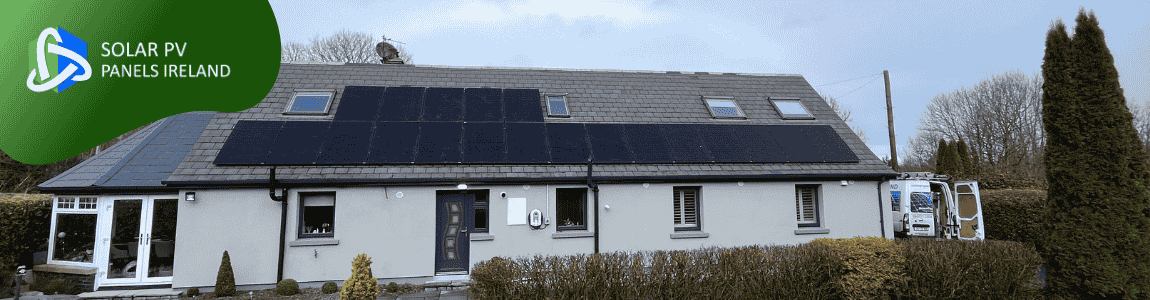
While the national grid is improving, the most environmentally conscious way to power an electric vehicle is to generate the energy yourself. This is where the true potential for a carbon-neutral lifestyle begins. By installing solar PV panels, you can take sunlight directly from your roof and convert it into the clean electricity needed to move your car. This setup eliminates the carbon footprint associated with energy transmission and ensures that your “fuel” is 100% renewable and free of charge.
To make this vision a reality, Solar PV Panels Ireland install EV chargers that integrate seamlessly with your domestic solar panels. By having a professional installation that connects your solar panels to a dedicated home charger, you can take advantage of “solar diversion” technology. This system ensures that any excess electricity your home produces during the day is directed straight into your vehicle’s battery rather than being sent back to the grid for a lower return. It turns your home into a self-sufficient energy hub. This allows you to drive purely on sunshine.
The Mitigation of Noise Pollution
Environmental protection isn’t just about the gases we release; it is also about the noise we create. Noise pollution is a significant but often overlooked environmental stressor that affects both humans and wildlife. Traditional engines create a constant drone of mechanical noise that can disrupt various Irish bird and mammal species. In urban environments, the constant hum of traffic is linked to increased stress and cardiovascular issues in humans.
Electric vehicles are remarkably quiet, especially at lower speeds. As more people move to EV’s, our residential streets and rural lanes become more peaceful. This reduction in noise pollution helps to restore the natural soundscapes of the Irish countryside and makes our cities more liveable. For the environment, this means a more harmonious coexistence between our infrastructure and nature. This allows for a quieter landscape that benefits all inhabitants.
Mechanical Efficiency and Waste Reduction
Beyond emissions, the very physics of an electric motor is more environmentally friendly than that of a combustion engine. Internal combustion engines are notoriously inefficient, wasting up to 80% of the energy in their fuel as heat. Only about 20% of the energy you pay for at the pump actually moves the car forward. Electric motors, by contrast, are over 90% efficient. This means that far less energy is required to travel the same distance.
EVs also feature regenerative braking, a system that captures the energy usually lost during deceleration and pumps it back into the battery. This doesn’t just save energy, it also reduces the wear and tear on brakes. Normal braking creates friction that releases fine metallic dust into the environment, another form of pollution. Because EVs use the motor to slow down, they produce far less brake dust and require fewer replacement parts over their lifetime. This reduction in mechanical waste is a quiet but crucial win for the planet.
A Greener Path Forward for Ireland
The move to electric vehicles is a vital component of Ireland’s commitment to a sustainable future. By addressing the problems of air quality, carbon emissions and resource waste, EVs offer a pathway to a cleaner and more efficient transport system. When combined with the power of domestic renewable energy, the benefits are huge. Taking the step to generate your own power and charge your own vehicle is the ultimate way to protect the Irish environment for future generations.
Reach out to Solar PV Panels Ireland today, to enquire about EV chargers or solar panels.