Summary
- The Brain of the Solar System – Solar panels in Ireland capture energy. The inverter is basically the main part when it comes to converting AC to DC. Direct Current (DC) is taken from the sun and its turned into an Alternating Current (AC). This is then used by your home appliances. And also by the national grid.
- Smart Performance Monitoring – The more modern inverters do more than just convert the power. They now started using Maximum Power Point Tracking (MPPT). They use this to optimise energy yield, usually in changing weather. They also provide real-time data via smartphone apps.
- Three Main Types – Homeowners can choose from String Inverters with a very good price, Microinverters that are shading-resilient or Hybrid Inverters.
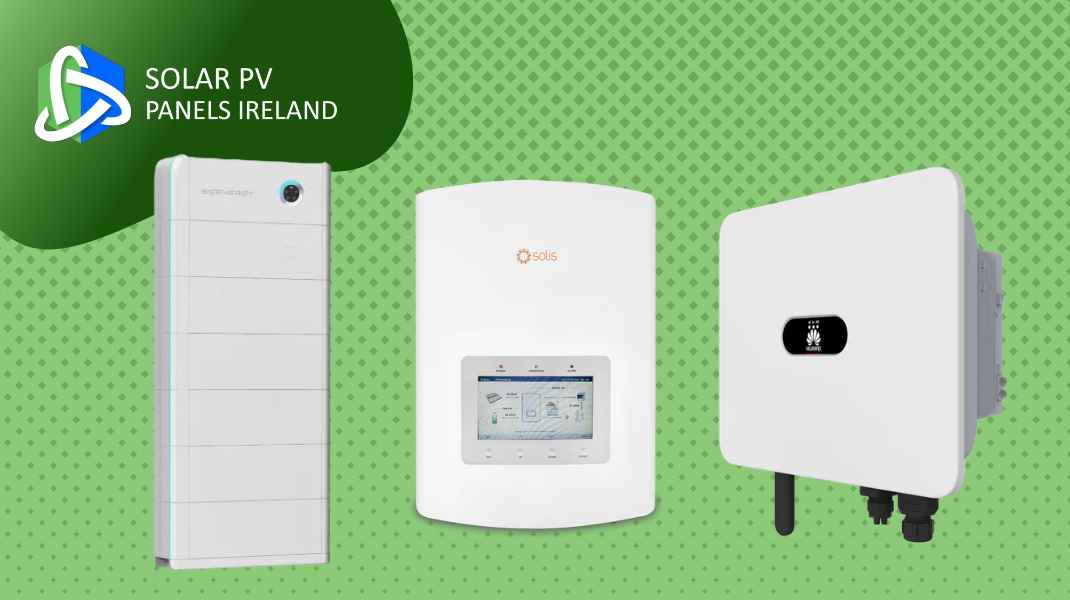
- Made for the Irish Climate – We have high-quality brands like Sigenergy, Huawei, and Solis. They tend to offer weather-rated durability and some very advanced features. This makes sure that they keep up reliable performance even in Ireland’s overcast conditions.
Solar energy is a really powerful way for Irish homeowners to reduce their electricity bills. It’s getting very popular. They can decrease their carbon footprint and get what people are calling energy independence! Sleek, black solar panels on a rooftop is the most visible and obvious sign of a solar PV system. But there’s a very vital and often-unseen part to it that makes it all work smoothly together. And thats the solar inverter! You can think of the inverter as the big intelligent brain of your solar PV set up. If you didn’t have one, all the energy generated by your panels would be totally and utterly useless to your home.
This ultimate guide will take you on a deep dive into the world of solar inverters. We’ll explain what they are, how they work, the different types available, and why choosing the right one for your home is just as important as selecting the right panels. Whether you’re a homeowner just starting to research solar or a seasoned professional looking to refresh your knowledge, this guide will provide you with all the essential information you need to make an informed decision.
What is a Solar Inverter and Why Do I Need One?
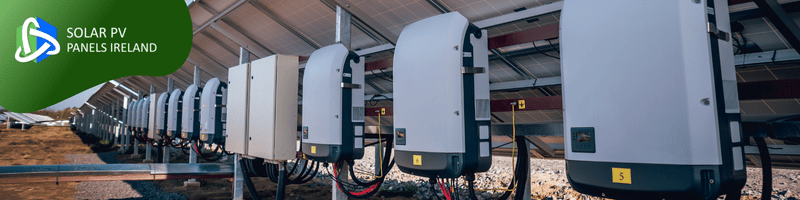
At its core, a solar inverter is a power converter. Solar panels generate electricity in the form of Direct Current (DC). This is the same type of power used in batteries. However, the electrical appliances in your home, from your kettle to your television and the national electrical grid run on Alternating Current (AC). The primary function of the solar inverter is to convert the DC power from your panels into usable AC power for your home.
This conversion process is critical. Without an inverter, the DC power from your panels cannot be used to run your lights or charge your laptop. But the inverter does far more than just convert power. It is a sophisticated device that also acts as a performance monitor, a safety feature, and a smart energy manager. Most modern inverters come with internet connectivity and a user-friendly smartphone app, allowing you to monitor your system’s performance in real time, check on your energy production, and detect any potential faults.
The Different Types of Solar Inverters
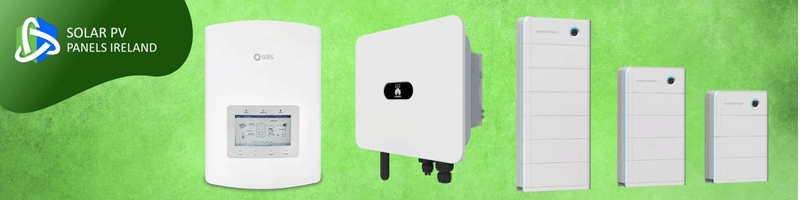
Not all inverters are created equal. The type you choose will depend on a number of factors, including your roof’s layout, potential shading issues, your budget, and whether you plan to add a battery storage system. There are three main types of inverters to consider:
1. String Inverters
What they are: String inverters are the most common and traditional type of solar inverter. They are the go-to choice for the majority of residential and commercial solar installations in Ireland. In a string inverter system, solar panels are connected together in a “series,” like beads on a string, and all the power from that series of panels flows to a single central inverter. A solar PV system can have one or more strings, each connected to its own input on the inverter.
Pros:
- Cost-Effective: String inverters are generally the most affordable option.
- Simple to Install: The installation process is straightforward and well-understood by most solar installers.
- High Efficiency: Modern string inverters boast very high efficiency ratings, converting a significant percentage of the DC power into usable AC power.
Cons:
- Performance Varies with Shading: This is the biggest drawback. If a single panel in a string is shaded, dirty, or underperforming for any reason, it can reduce the output of all the other panels in that same string. This is known as the “Christmas light effect.”
- System-Wide Single Point of Failure: If the string inverter fails, your entire solar PV system will stop producing electricity.
2. Microinverters
What they are: Microinverters represent a different approach to solar energy conversion. Instead of a single central inverter, a small microinverter is installed directly underneath each individual solar panel. Each microinverter converts the DC power from its specific panel into AC power right there on the roof. The converted AC power is then sent down to the home’s electrical panel.
Pros:
- Excellent for Shading: This is their biggest advantage. Since each panel operates independently, a shaded or underperforming panel will not affect the output of the other panels in the system. This makes them ideal for complex roof layouts or homes with chronic shading issues.
- Panel-Level Monitoring: Microinverter systems allow you to monitor the performance of each individual panel, making it easy to spot and diagnose issues.
- Increased Redundancy: If one microinverter fails, only that single panel will stop producing power. The rest of your system will continue to operate normally.
- Longer Lifespan: Microinverters are designed to be more durable and often come with a longer warranty than string inverters, typically lasting 20-25 years.
Cons:
- Higher Upfront Cost: Microinverter systems are significantly more expensive to purchase and install than string inverter systems due to the need for one inverter per panel.
- More Complex Installation: The installation process is more labour-intensive, as each panel requires its own inverter.
3. Hybrid Inverters
What they are: Also known as battery-ready or multi-mode inverters, hybrid inverters are a modern and increasingly popular choice. They function as a regular solar inverter, converting DC to AC, but they have the added capability of managing a battery storage system. This allows you to store excess solar energy generated during the day for use at night or on cloudy days.
Pros:
- Battery Integration: This is the key feature. A hybrid inverter makes it easy to add a battery to your system, either at the time of installation or in the future.
- Energy Independence: By storing your own solar energy, you can reduce your reliance on the electrical grid and protect yourself from rising energy costs.
- Power Outage Protection: Some hybrid inverters can provide backup power to essential circuits in your home during a grid power outage.
Cons:
- More Expensive: Hybrid inverters are more costly than standard string inverters.
- Complex Wiring: The installation can be more complex due to the battery integration.
Key Features to Look for in a Solar Inverter
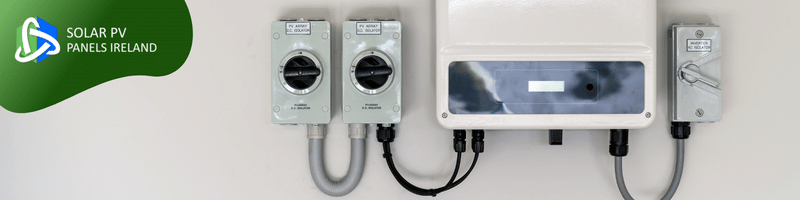
Choosing the right inverter goes beyond just the type. Here are some critical features and specifications to consider when selecting an inverter for your home:
- Efficiency Rating: This measures how effectively the inverter converts DC power to AC power. A higher efficiency rating means less energy is lost during the conversion process. Modern inverters typically have efficiency ratings well over 95%.
- Warranty: Most inverters come with a standard warranty of 5-10 years. Look for brands that offer the option to extend the warranty for a fee.
- Maximum Power Point Tracking (MPPT): This is a crucial function of the inverter. The MPPT allows the inverter to constantly monitor the solar panels’ output to find the optimal voltage and current at which they produce the most power. This ensures maximum energy yield throughout the day, regardless of changing weather conditions.
- Internet Connectivity and Monitoring: Most quality inverters today offer Wi-Fi or Ethernet connectivity. This allows you to connect the inverter to your home network and use a mobile app to monitor real-time energy production, consumption, and performance. This data is invaluable for tracking your savings and ensuring your system is working optimally.
- Noise Level: While most modern inverters are very quiet, some older or larger models can produce a noticeable humming sound. If the inverter will be installed indoors, it’s worth checking its decibel rating.
- Built-in Safety Features: Look for features like arc fault detection and ground fault protection. These safety mechanisms can prevent electrical fires and other hazards.
How a Solar Inverter Works in Three Simple Steps
The process of converting sunlight into usable electricity in your home is a marvel of modern engineering, and the solar inverter is at the heart of it. Here’s a simplified breakdown of how it works:
Step 1: The Panels Capture Sunlight
Solar panels on your roof are made of photovoltaic cells that absorb sunlight. When sunlight hits these cells, it excites the electrons, causing them to flow and create Direct Current (DC) electricity.
Step 2: The Inverter Converts the Power
The DC electricity flows from the solar panels to the inverter via cables. Inside the inverter, a series of complex electronic processes take place. The inverter’s main job is to transform the DC power into Alternating Current (AC) power. It does this by rapidly switching the direction of the DC power’s flow, creating the sinusoidal waveform that is characteristic of AC electricity.
Step 3: The Power Goes to Your Home
The newly converted AC power is now ready to be used. It flows from the inverter to your home’s electrical panel, where it can be used by any appliance or device. Any excess energy that you don’t use is either stored in a connected battery or exported back to the national grid, earning you a credit under the Clean Export Guarantee (CEG) tariff in Ireland.
The Best Solar Inverters for the Irish Market
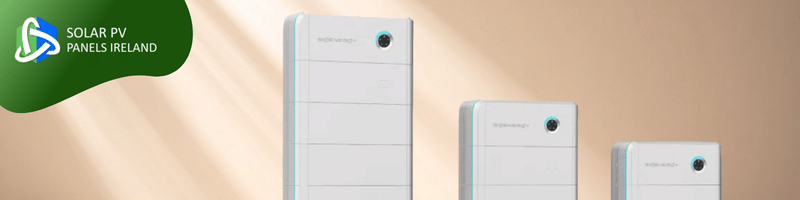
Choosing the right inverter for your Irish home requires considering the specific needs of the Irish climate, which can be prone to cloudy and overcast days. You need an inverter that is efficient and reliable. At Solar PV Panels Ireland, we understand the local market and offer a range of high-quality inverters that are known for their performance and durability. We proudly sell and install models from leading manufacturers, including:
- SIGENERGY: As a forward-thinking company, SIGENERGY integrates advanced AI learning technology into its inverters for optimal performance. Their products are also warrantied for outdoor installations, thanks to an IP66 rating, which ensures unparalleled battery safety features.
- HUAWEI: A leader in both residential and commercial solar inverters, HUAWEI is often the go-to choice for larger installations due to their excellent price point and cutting-edge features. Their inverters are a solid option for any type of project.
- SOLIS: Solis inverters are a no-fuss, cost-efficient solution. They are highly reliable and come with an easy-to-follow cloud application. Their battery management system is also compatible with many major brands of low-voltage batteries, making them a versatile choice.
While each of these brands has its own strengths, the best inverter for you will depend on your specific needs, budget, and the characteristics of your property. Our team at Solar PV Panels Ireland can provide you with a tailored recommendation based on your energy consumption and roof layout.
Inverter Lifespan and Warranty

A solar inverter is an electronic device with a finite lifespan. Typically, a string inverter will last between 10 to 15 years. Microinverters are designed to last longer, often with a lifespan of 20 to 25 years, which is similar to that of solar panels.
The inverter’s warranty is an important factor to consider. Most manufacturers provide a standard warranty of 5 to 10 years, but many offer the option to purchase an extended warranty that can last up to 20 years. Given that your inverter is a central and hardworking component of your system, a longer warranty provides peace of mind and protection for your investment.
The Future of Solar Inverters
The solar inverter industry is constantly evolving. The trend is moving towards smarter, more integrated devices. In the near future, we can expect to see inverters with even greater efficiency, advanced AI-powered performance optimisation, and seamless integration with smart home systems and electric vehicles. The growing popularity of battery storage in Ireland means that hybrid inverters will likely become the standard for most new solar installations, giving homeowners even greater control over their energy usage.
A solar inverter is so much more than a simple box on your wall. It is the sophisticated, hard-working component that makes your entire solar PV system possible. From converting DC to AC power to optimising your system’s performance and enabling battery storage, the inverter is a critical part of a modern, efficient solar energy system. Choosing the right one is a key step in ensuring your system provides maximum savings and performance for years to come.
At Solar PV Panels Ireland, we are dedicated to helping homeowners navigate the complexities of solar technology. We provide and install only the highest quality inverters to ensure that you get the best possible return on your investment in renewable energy.