Summary
- Microgeneration Support: You can sell excess solar energy back to the grid through the Clean Export Guarantee (CEG) and Microgeneration Support Scheme (MSS).
- Smart Meter Required: A smart meter is essential to accurately measure both the electricity you import and the excess power you export for payment.
- Competitive Rates: Different energy suppliers offer varying buyback rates (some up to €0.25 per kWh). So it is important to shop around for the best deal.
- Financial Return: Selling surplus power can earn a typical household hundreds of euros annually. This significantly shortens the payback period for a solar system.
Yes, you can sell electricity back to the grid in Ireland. This practice, known as microgeneration, is a key part of the country’s strategy to increase renewable energy. It is officially supported by the government through the Microgeneration Support Scheme (MSS) and the Clean Export Guarantee (CEG).
The Rise of Microgeneration in Ireland
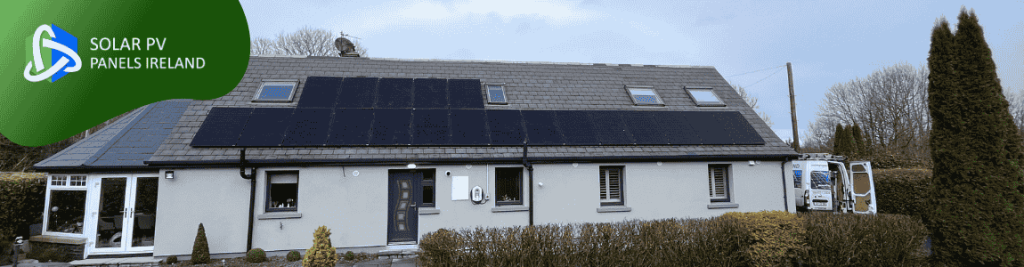
Ireland is committed to a greener future. We have a goal of having 70% of our electricity come from renewable sources by 2030. Microgeneration is the process of homes and businesses generating their own electricity from renewable sources like solar PV panels and selling the excess back to the national grid. It is a vital part of this plan.
For homeowners, this means that your solar panels don’t just power your home during the day but they can also earn you money. Any electricity you generate but don’t use can be exported back to the grid. This helps to power other homes and businesses while providing you with a financial return. This has made solar PV a more attractive and financially viable option for many Irish homes.
The Clean Export Guarantee (CEG)
The Clean Export Guarantee (CEG) is a specific payment mechanism that ensures homeowners receive a good and fair price for the electricity they export to the grid. It mandates that electricity suppliers must pay a minimum rate for this exported energy. This provides a stable and predictable revenue stream for microgenerators.
Different energy suppliers in Ireland offer varying buyback rates. Some offer competitive rates. For example, some rates can be as high as €0.25 per kilowatt-hour (kWh). Others may offer a lower rate. It is crucial for homeowners to shop around and choose an energy supplier that provides the best terms and rates for their exported electricity. This can make a significant difference in the total annual savings and earnings from a solar PV system.
How to Sell Electricity Back to the Grid

Selling electricity back to the grid is a straightforward process. But it does require a few key steps to ensure you are compliant and properly set up to receive payments.
- Install a Suitable System: You must have a renewable energy system like solar PV panels. They must meet safety and size standards. Your installer must be a registered professional, like those listed on the Sustainable Energy Authority of Ireland (SEAI) register.
- Get a Smart Meter: A smart meter is essential for microgeneration. It accurately measures the electricity you import from the grid and the excess electricity you export to it. This info is used by your energy supplier to calculate your payments. The ESB Networks which operates the national grid, is responsible for installing these meters.
- Register with the ESB Network: Your installer will typically handle the process of registering your solar PV system with the ESB Network. This is a crucial step that ensures your system is properly connected to the grid and ready for export.
- Choose an Energy Supplier: Select an electricity supplier that offers a competitive Clean Export Guarantee (CEG) tariff. Your supplier will manage the payments for your exported electricity.
The Financial Benefits of Solar PV and Microgeneration
The financial case for installing solar PV panels in Ireland is really strong now. The benefits come from two main sources:
Direct Savings on Your Electricity Bill: By generating your own electricity, you lower the amount of power you need to purchase from the grid. A well-sized solar PV system can reduce a household’s electricity bill by up to 60% annually.
Earnings from Exported Electricity: The revenue from selling your excess electricity back to the grid provides an additional financial incentive. A typical household with a solar panel system generating 5,500 kWh annually and using half of it could earn around €550 per year from exporting the remaining 2,750 kWh. Combined with the savings on your bill, the total annual financial benefit could exceed €1,150.
The typical payback period for a solar PV system in Ireland is estimated to be between 5 to 7 years, making it a sound long-term investment.
The Installation Process and Grant Support
The journey to microgeneration begins with the installation of a solar PV system. The process involves several key stages:
- Site Assessment and System Design: A qualified installer will assess your home’s roof orientation and energy needs. This will help them design a solar PV system tailored to your specific requirements. They will also provide a detailed quote.
- Grant Application: As an SEAI-registered installer, Solar PV Panels Ireland can help you with the grant application process. The Solar Electricity Grant from the SEAI can provide up to €1,800 for eligible homeowners. This significantly reduces the upfront cost of installation.
- Installation: The installation itself is typically completed within a few days. Sometimes in one day. It involves mounting the panels on the roof, installing the inverter to convert the solar energy into usable electricity and connecting the system to your home’s electrical supply.
- Grid Connection and Commissioning: Your installer will register the system with the ESB Network. They will ensure all necessary paperwork is completed. Once approved, your system can begin generating and exporting electricity.
Additional Benefits of Going Solar
Beyond the financial savings, installing solar PV panels in Ireland offers several other advantages:
- Environmental Impact: By using clean, renewable energy, you significantly reduce your carbon footprint. You contribute to Ireland’s climate action goals.
- Increased Home Value: Homes with solar PV systems are increasingly attractive to buyers. This can add to your property’s value.
- Energy Independence: Generating your own power reduces your reliance on external energy suppliers. This protects you from future electricity price increases.
- Integration with EV Chargers: For homeowners with electric vehicles, a solar PV system can be combined with an EV charger to power your car with clean, free energy. This further maximises your savings and environmental benefits.
Navigating the Market: Choosing a Supplier and Installer

With the growing popularity of solar PV, the market has seen an increase in both installers and energy suppliers offering microgeneration tariffs.
When choosing an installer, it is crucial to select an SEAI-registered company to ensure you are eligible for the grants. You also want to make sure that the installation meets the highest quality and safety standards. An experienced installer will guide you through the entire process. fThis starts with the grant application all the way to final commissioning.
When choosing an energy supplier, compare the Clean Export Guarantee (CEG) rates they offer. Some suppliers might provide a higher rate for a fixed period. Some others might offer a more stable, long-term rate. Read the terms and conditions carefully to understand how and when you will be paid for your exported electricity.
Common Questions About Selling Electricity Back to the Grid
What is the difference between a feed-in tariff and the Clean Export Guarantee? The Clean Export Guarantee (CEG) is a specific payment under the Microgeneration Support Scheme (MSS) that replaced the older, less formalised feed-in tariffs. While the term “feed-in tariff” is sometimes still used, the CEG is the official and regulated mechanism for paying for exported electricity in Ireland.
How is the amount of exported electricity measured? Your smart meter accurately measures both the electricity you import from the grid and the electricity you export to it. The readings from the smart meter are sent to your energy supplier. They then use this data to calculate your payments for exported energy and your bill for imported energy.
Can I still get a solar grant if I plan to sell electricity back to the grid? Yes. The SEAI Solar Electricity Grant is designed to encourage solar PV installation. It is fully compatible with the Microgeneration Support Scheme. In fact, most systems installed with the grant are intended to be eligible for the CEG.
Is it worth it to sell electricity back to the grid? Absolutely. The ability to earn money from your excess electricity and the significant savings on your energy bills, makes solar PV a really rewarding financial and environmental investment. It speeds up the payback period of your system and gives a long-term return.
A Bright Future for Solar in Ireland
The introduction of the Microgeneration Support Scheme and the Clean Export Guarantee has transformed the solar energy landscape in Ireland. It has made going solar a viable and financially attractive option for homeowners. It is paving the way for a more decentralised, sustainable,and renewable energy system.
By installing solar PV panels, you are not only taking control of your energy costs and reducing your carbon footprint but also actively contributing to Ireland’s clean energy goals. With good grants, competitive buyback rates and experienced installers, there has never been a better time to invest in solar PV.
For more information on solar PV panels and to get a quote for your home, contact Solar PV Panels Ireland today.