Category: Solar Panels

  • Guide To Sigenergy Batteries for Solar Panels in Ireland

    Guide To Sigenergy Batteries for Solar Panels in Ireland

    As electricity prices continue to fluctuate across Ireland, homeowners and business owners are increasingly looking for ways to maximise their energy independence. Generating your own green power through solar PV panels is the first step, but storing that energy effectively is what truly unlocks the potential of a residential or commercial solar setup.

    Enter Sigenergy, a highly innovative player in the renewable energy technology market that has taken the global energy storage sector by storm. In fact, reports show that Sigenergy has rapidly captured the top spot for energy storage capacity across multiple major international markets, including Australia, South Africa, and right here in Ireland.

    At Solar PV Panels Ireland, we pride ourselves on being certified, professional installers of premium solar equipment. We have seamlessly fitted Sigenergy batteries into numerous installations across the country, helping Irish families and commercial businesses break free from soaring grid costs. This guide breaks down everything you need to know about Sigenergy batteries, the revolutionary SigenStor 5-in-1 system, and why choosing a professional team like Solar PV Panels Ireland is vital to future-proofing your home.

    What is Sigenergy and the SigenStor System?
    sigenstor

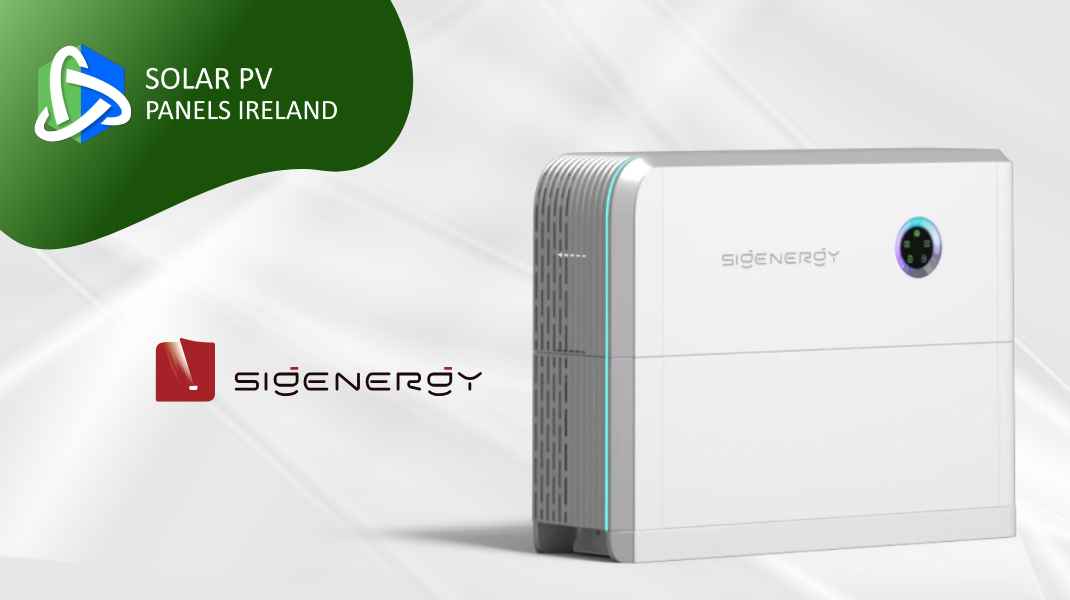
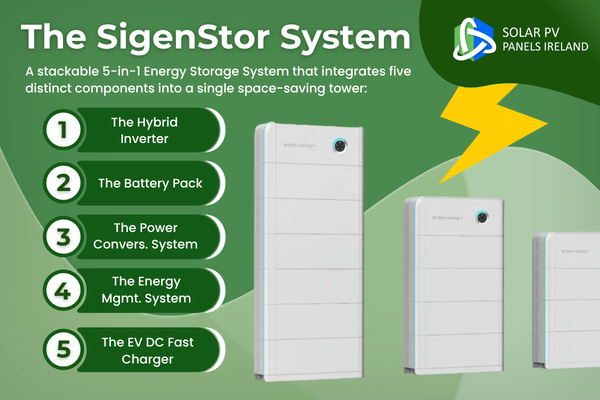
    Founded by renewable energy veterans, Sigenergy focuses entirely on the intelligent infrastructure that supports solar power: hybrid inverters, modular battery storage, and advanced EV charging solutions. Rather than manufacturing the solar panels themselves, they design the “brains and brawn” that manage the electricity your panels generate. The flagship product for Irish residential installations is the SigenStor. This is not just a standard battery enclosure. It is a revolutionary, stackable 5-in-1 Energy Storage System (ESS) that elegantly integrates five distinct components into a single, sleek, space-saving tower:

    1. The Hybrid Inverter – Converts the raw Direct Current (DC) electricity from your solar panels into usable Alternating Current (AC) for your appliances.
    2. The Battery Pack – Scalable, premium Lithium Iron Phosphate (LFP) modules that hold your clean energy.
    3. The Power Conversion System (PCS) – Manages the precise charging and discharging cycles of the battery with maximum thermal and electrical efficiency.
    4. The Energy Management System (EMS) – An internal computer utilising artificial intelligence to optimise your energy consumption.
    5. The EV DC Fast Charger (Optional Module) – An industry-first addition that can be integrated directly into the tower stack to charge your electric vehicle directly with DC solar power.

    By combining all five units into a single modular footprint, Sigenergy eliminates the unsightly nest of separate wall boxes, conduits, and complex wiring associated with traditional solar setups.


    Core Technical Features: Why Sigenergy Leads the Market
    sigenergy

    The Irish climate demands robust, high-performing equipment. Sigenergy batteries have been meticulously engineered to excel where cheaper alternative brands often struggle.

    True Modularity and High Scalability

    Every property has different energy demands, and those demands change over time. If you buy an electric vehicle next year or install an air-to-water heat pump down the line, your energy consumption will surge.

    With Sigenergy, you do not need to replace your entire system. The batteries are designed as stackable modules. Depending on your configuration, you can choose between 5 kWh or 8 kWh LFP battery modules. A single tower stack can scale anywhere from a modest 5 kWh up to an impressive 48 kWh of capacity. For commercial enterprises or agricultural installations in Ireland, multiple towers can be linked together to handle heavy-duty, industrial-scale power requirements.

    Industry-Leading Weatherproofing and Safety

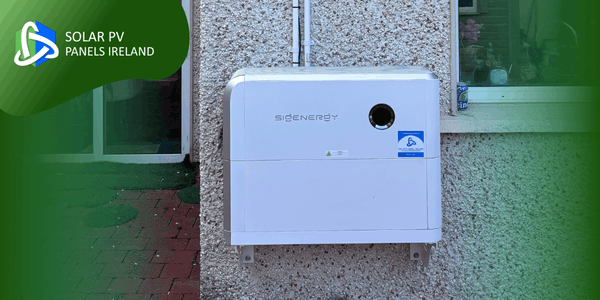
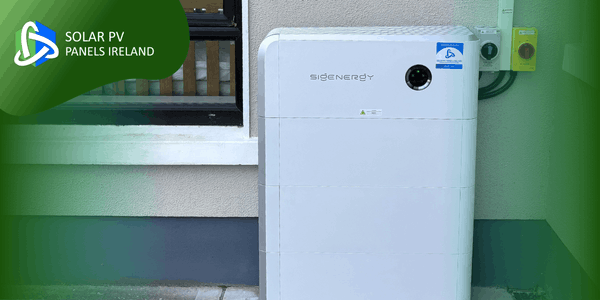
    Ireland is famous for its wet, damp weather. Most standard residential batteries carry an IP55 or IP65 rating, meaning they are well-protected but are best kept inside a garage or utility space. Sigenergy raises the bar with an IP66-rated chassis. This absolute resistance to torrential rain, humidity, and dust means the SigenStor tower can safely be mounted on an external wall, saving valuable interior floor space. From a safety perspective, Sigenergy sets the benchmark. The system includes:

    1. Built-in AI-driven Arc Fault Circuit Interrupters (AFCI) to prevent electrical fires from loose connections.
    2. Internal fire suppression capabilities and temperature sensors embedded in each battery module.
    3. Heavy-duty surge protection mechanisms to handle grid fluctuations safely.

    0-Millisecond Seamless Backup Power

    Grid blackouts and power cuts happen, particularly in rural parts of Ireland during winter storms. When paired with the Sigen Energy Gateway, the SigenStor provides a genuine zero-millisecond backup switchover. Most standard battery systems take several seconds to detect a power cut and turn on, causing your lights to flicker and your home internet router, computers, or critical medical equipment to reset. Sigenergy switches over so fast that your devices won’t even detect that the main grid failed, keeping your home seamlessly running on stored solar power.

    AI Energy Management and Smart Tariffs in Ireland
    sigenergy

    The rollout of smart meters across Ireland has opened up “Time-of-Use” electricity tariffs (such as Day/Night/Peak rates or specialised EV night-charging windows). Sigenergy’s built-in AI algorithms are designed specifically to exploit these tariffs to save you the maximum amount of money. Through its advanced software and the beautifully intuitive mySigen App, the system connects to live weather forecasting and learns your household’s historical energy consumption patterns. During the day, solar power feeds the home and charges the battery. When expensive peak hours hit between 5pm and 7pm, the system shifts your home to battery power, bypassing high grid costs. Overnight, the AI can automatically top up your storage using cheap, off-peak night rates if the forecast predicts a heavily overcast morning.

    Also, if your battery is full and the grid is offering premium payouts for microgeneration via the Clean Export Guarantee (CEG) in Ireland, the AI strategically times your power exports back to the national grid to maximise your financial credits.

    The EV Revolution: V2H and V2G Ready
    sigenergy

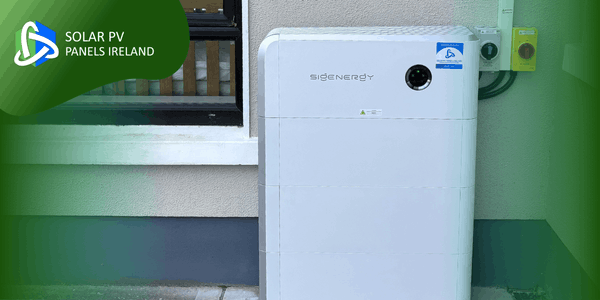
    For homeowners driving electric vehicles, or those planning to make the switch, Sigenergy is a total game-changer. The SigenStor offers an optional integrated 25 kW DC fast charger that slips directly into the modular tower stack.

    Standard home EV chargers are AC-based, meaning the DC power generated by your solar panels must be converted to AC by your solar inverter, sent to the car charger, and then converted back to DC by the car’s internal rectifier. This double conversion loses valuable energy. Sigenergy fixes this by feeding clean DC solar power directly into your car’s battery, resulting in ultra-efficient, lightning-fast charging. Also, Sigenergy is completely future-proofed for bidirectional charging:

    Vehicle-to-Home (V2H) – Allows you to use your electric vehicle’s massive battery pack to power your home appliances during a blackout or peak pricing window.

    Vehicle-to-Grid (V2G) – Gives you the ability to sell power stored inside your car’s battery directly back to the Irish grid when electricity prices skyrocket.

    Comparing the Options: Sigenergy vs. The Competition
    sigenergy

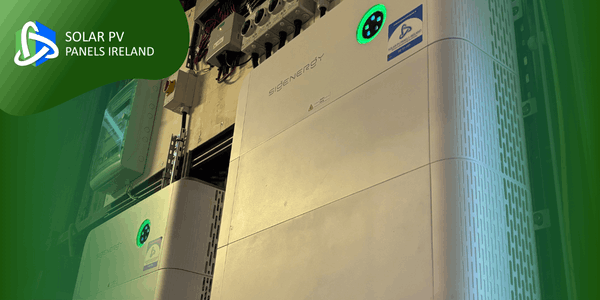
    When investing in solar battery storage in Ireland, it helps to understand how the premium SigenStor stacks up against other popular market alternatives like the Tesla Powerwall 3 or Solis hybrid setups.

    FeatureSigenergy SigenStorTesla Powerwall 3Solis Hybrid + Third-Party Battery
    System StyleIntegrated 5-in-1 StackAll-in-One UnitSeparate Inverter & Separate Wall Battery
    Capacity FlexibilityHighly Flexible (5 kWh to 48 kWh via stackable modules)Fixed (13.5 kWh blocks only)Variable (Dependent on third-party compatibility)
    EV Charging IntegrationBuilt-in AC & DC options with V2H/V2G supportRequires separate Tesla wall connectorRequires entirely separate EV charger installation
    Weatherproof RatingIP66 (Maximum outdoor durability)IP67Typically IP65 / IP54 (Varies by brand)
    Standard Warranty10 Years (Inverter & Battery)10 Years5 Years standard on Inverter (Extendable)

    While budget setups like Solis paired with standalone batteries are common for cost-focused builds, they involve juggling multiple manufacturer apps and separate hardware warranties. Tesla offers immense brand recognition but lacks the granular, module-by-module stackability and the specialised integrated DC EV charging that gives Sigenergy a distinctive, future-proof edge.

    Why Professional Installation Matters
    sigenergy

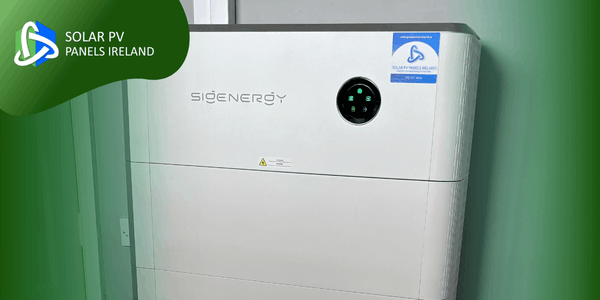
    The advanced technology inside a Sigenergy system requires high-level expertise to properly commission. Because the SigenStor integrates high-voltage solar DC, advanced battery storage, and potential EV fast charging, it is absolutely vital that you work with experienced professionals. At Solar PV Panels Ireland, we are fully certified, SEAI-registered (Sustainable Energy Authority of Ireland) installers. We have extensive hands-on experience fitting, wiring, and programming Sigenergy systems for diverse property types across the country.

    Our comprehensive installation service includes:

    1. Bespoke System Design – We analyse your current electrical bills, roof orientation, and future energy goals to calculate the exact number of solar panels and the ideal Sigenergy battery capacity (whether that is 5 kWh, 10 kWh, or higher) for your property.
    2. Flawless Physical Integration – Our structural and electrical teams position the SigenStor tower perfectly, ensuring beautiful aesthetic integration and strict adherence to Irish building regulations and safety standards.
    3. Advanced Commissioning – We don’t just bolt it to the wall; we handle the complete software setup. We connect your Sigen Energy Gateway to your home Wi-Fi network, configure your specific Irish utility smart tariff within the mySigen app, and thoroughly test the zero-millisecond backup mode.
    4. SEAI Grant Management – Because we are fully registered, our installations qualify for the maximum available SEAI solar PV and battery storage grants, helping you cut down the upfront cost of your investment significantly.

    Take Control of Your Energy Future
    sigenergy

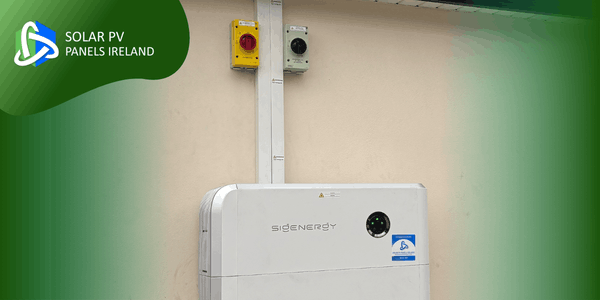
    The Sigenergy SigenStor represents the absolute pinnacle of modern, AI-driven residential and commercial energy storage. With its unparalleled stackable modularity, premium IP66 weatherproof build quality, seamless backup readiness, and game-changing EV charging integration, it is an investment that will pay dividends for decades. Don’t leave a premium system like this to chance. Trust the certified, professional team at Solar PV Panels Ireland to deliver a top-tier installation engineered specifically to lower your bills and maximise your self-sufficiency. Get in touch today.

  • What Does PV Stand For in Solar?

    What Does PV Stand For in Solar?

    Wading through the sea of renewable energy jargon can feel a bit overwhelming when you are just trying to figure out how to lower your monthly electricity bills. If you have spent even five minutes looking into how to upgrade your Irish home with clean energy, you have undoubtedly run across a specific two-letter acronym over and over again. It is on every product brochure, every government grant application, and every installer’s website.

    That acronym is PV.

    But what does it actually mean, and why should the average homeowner care? Understanding this simple term is your first real step toward taking control of your energy independence.

    The Meaning Behind the Acronym

    What Does PV Stand For in Solar?

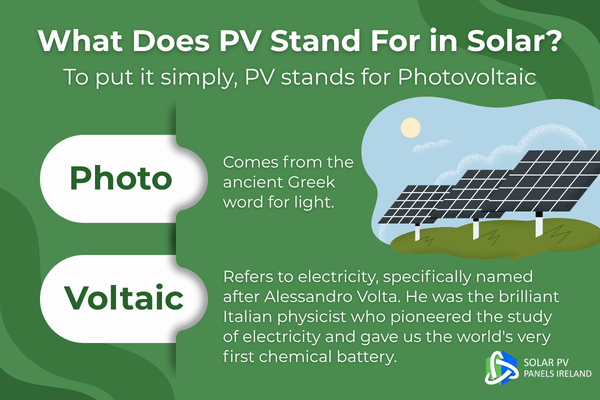
    To put it simply, PV stands for Photovoltaic.

    It sounds like a mouthful of complex scientific jargon, but it makes perfect sense when you break the word down into its original roots:

    • “Photo” comes from the ancient Greek word for light.
    • “Voltaic” refers to electricity, specifically named after Alessandro Volta. He was the brilliant Italian physicist who pioneered the study of electricity and gave us the world’s very first chemical battery.

    When you fuse those two concepts together, the literal meaning of photovoltaic is light-electricity.

    In practical, everyday terms, it refers to a technology that captures daylight and converts it directly into usable electrical current. No moving parts, no noise, and absolutely zero emissions. When people talk about installing a “solar PV system” on a roof in Ireland, they are talking about a specific type of setup engineered to power things like your washing machine, your TV, and your electric vehicle. It is a completely different beast from older types of solar technology, which is a crucial distinction to keep in mind before making any investment.


    How the Photovoltaic Process Actually Works

    Photovoltaic Process

    The actual science happening up on your roof is incredibly elegant.

    A standard solar panel is not just one giant block of glass; it is made up of dozens of much smaller units called photovoltaic cells. These cells are layered with a semiconductor material, usually silicon, which is incredibly abundant and brilliant at conducting electricity when light hits it.

    Here is what happens on a typical afternoon:

    1. Daylight strikes the surface of the silicon cell.
    2. The energy from that light knocks electrons completely loose from their atoms.
    3. Because of the clever internal physics of the cell, these loose electrons are forced to flow in one specific direction.
    4. This unified flow of electrons forms a direct current (DC) of electricity.

    Because a single silicon cell only creates a tiny trickle of power, manufacturers wire dozens of them together to build a robust, weather-proof panel. When you link a group of these panels together across your roof, you get a solar array.

    This array generates enough combined raw power to handle heavy-duty household appliances. The best part? It happens completely instantaneously, the exact millisecond daylight touches the roof.

    Solar PV vs. Solar Thermal: Don’t Confuse the Two

    Solar PV vs. Solar Thermal

    A very common trap for Irish homeowners is confusing solar PV with solar thermal systems. Both involve putting panels on your roof, and both rely entirely on daylight, but they do completely different jobs.

    Think of it this way:

    Solar PV creates electricity. The power flows straight down into your home’s main fuse board. From there, it runs your lights, appliances, and heat pumps. If you have a smart immersion diverter, you can even send excess power to heat your water cylinder, or divert it straight into a home battery.

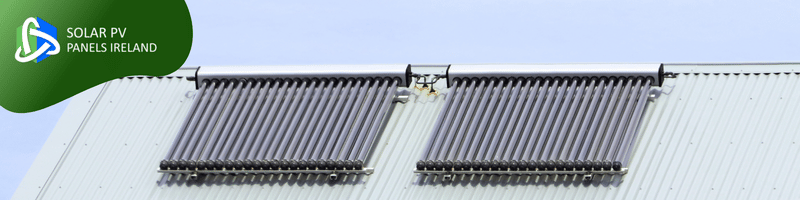
    Solar Thermal creates hot water. These panels do not generate a single watt of electricity. Instead, they act like a dark radiator on your roof, using the sun’s heat to warm up a liquid passing through them. This hot fluid then travels down a pipe to warm up the water in your hot water tank.

    While solar thermal is fantastic at what it does, it won’t keep your lights on during a power cut, and it won’t charge your car. Because electricity is far more versatile, modern domestic projects in Ireland have shifted heavily toward solar PV.


    The Key Components of a Real-World System

    Your panels cannot power your home entirely on their own. The electricity those silicon cells generate is direct current (DC), but our household sockets and the Irish national grid run on alternating current (AC).

    To bridge this massive gap, every home system requires an inverter.

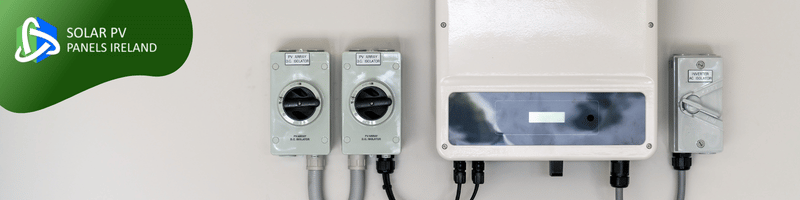
    You can think of the inverter as the actual brain of the entire installation. It sits in your attic or utility room, constantly converting raw DC power into safe, usable AC electricity. Modern inverters are incredibly smart; they monitor your production levels and usually link directly to a phone app so you can watch your energy generation in real-time.

    Another major player in modern setups is battery storage. Panels naturally produce the bulk of their power during the middle of the day when the sun is highest, but that is often exactly when Irish families are out of the house at work or school. Instead of letting that pristine daytime energy slip away, a battery stores it safely. When everyone comes home in the evening, the system switches over to the battery, allowing you to run your evening showers and cook dinner using the power you harvested at noon.


    But Do They Really Work in the Unpredictable Irish Climate?

    Irish Climate

    It is the number one question every installer hears: “Sure, it works in Spain, but what about the grey skies of Ireland?”

    It is a completely fair doubt, but here is the good news: photovoltaic panels do not need hot, direct sunshine to work. They run on daylight, not heat.

    Even on those classic overcast, misty Irish afternoons, light still penetrates the cloud cover and reaches your roof. While your system will obviously hit its absolute peak performance on a brilliant, cloudless July afternoon, it keeps right on producing a surprising amount of electricity during standard grey weather.

    Interestingly, excessive heat actually makes silicon panels less efficient. The cool, temperate climate we have across Ireland keeps the panels at an ideal operating temperature, ensuring they run efficiently year-round. While places like Wexford and Waterford get a bit more total sunlight annually, homes from Donegal to Cork can easily harvest plenty of daylight to run a household.


    Saving Money and Lowering Your Footprint

    Investing in a photovoltaic setup offers massive financial upside. By producing your own power right on your roof, you immediately cut down on the amount of expensive electricity you have to buy from the grid. This gives you an instant buffer against wild spikes in global energy prices.

    Additionally, you can now benefit from the Clean Export Guarantee (CEG).

    If your panels are churning out more power than your house can use or store on a bright summer afternoon, the excess gets automatically fed back into the national grid. Thanks to this policy, Irish energy providers are legally required to pay you for that clean energy. You will see it show up as a direct credit on your electricity bill.

    On the environmental side, the impact is massive. Most of Ireland’s grid electricity still relies on burning fossil fuels, which pumps greenhouse gases into our atmosphere. By switching to solar, you prevent tons of carbon dioxide from being released over the thirty-year lifespan of your system.


    Irish Grants and Incentives Explained

    grants

    To make the transition easier, the Irish government offers great financial incentives through the Sustainable Energy Authority of Ireland (SEAI). These supports drastically lower the initial barrier to entry for local homeowners.

    The SEAI solar grant acts as a direct cash-back rebate based on the overall size of the array you choose to install. This funding is available for any home built and occupied before 2021, making it a brilliant option for upgrading existing properties.

    Furthermore, the government recently took a massive step by completely removing VAT on the supply and installation of residential solar panels. This 0% VAT rate slashes thousands of euros off the upfront cost right from day one, significantly speeding up the time it takes for the system to completely pay for itself.


    Finding the Perfect Setup for Your Roof

    seai

    No two homes in Ireland use energy the exact same way, which means a cookie-cutter approach just doesn’t work. To get the best possible return on your investment, a system needs to be carefully tailored to your lifestyle and your property.

    While a perfectly south-facing roof is the gold standard for catching the midday sun, east-west splits are becoming incredibly popular too. An east-west layout catches the early morning sun and the late evening light, matching up perfectly with when most families are actually home.

    The absolute size of your system, measured in kilowatts peak (kWp), should be calculated using your actual historic electricity bills. A professional team will look at your current usage, whether you plan to buy an electric vehicle down the road, or if you are thinking about swapping to a heat pump.

    If you want to see how photovoltaic technology can work for your specific property, head over to Solar PV Panels Ireland to explore our targeted installation options and set up a proper, personalised assessment for your home.


    Taking the Next Step

    Switching over to solar is a fantastic way to future-proof your home. Demystifying the term “PV” is just the start; the real reward comes when you watch your energy bills drop month after month.

    With modern panels built to survive tough Irish winters and state-of-the-art battery systems keeping the lights on at night, taking control of your energy future has never been more achievable. Take a look at your roof, check out the current SEAI options, and see how easy it is to start making your own clean power.

    To dive deeper into the technical details of renewable energy targets or to check your eligibility for local funding, take a look at the official guidelines on the Sustainable Energy Authority of Ireland portal or browse the latest community updates through the European Commission Energy Portal.

  • How Do Plug In Solar Panels Work?

    How Do Plug In Solar Panels Work?

    With energy bills fluctuating and a nationwide push toward green energy, many Irish homeowners are looking for ways to cut down their electricity costs. While researching your options, you may have come across a relatively new concept: plug-in solar panels. Often marketed as a quick, DIY solution to renewable energy, these systems promise a hassle-free setup without the need for complex installations.

    But how do plug-in solar panels work, and are they really a viable long-term solution for Irish properties? At Solar PV Panels Ireland, we believe in giving you the complete facts about renewable technology. While plug-in options sound attractive on paper, they come with substantial safety, efficiency, and regulatory limitations in Ireland. Let’s explore the mechanics of plug-in solar technology and see how it holds up against a professionally fitted, standard rooftop solar PV system.

    What Is a Plug-In Solar Panel?

    A plug-in solar panel, sometimes referred to as a “plug-and-play” or balcony solar system, is a portable, small-scale photovoltaic kit. Unlike a typical rooftop array that integrates deeply into your property’s electrical infrastructure, a plug-in system is designed to bypass traditional wiring. These setups usually consist of just one or two solar modules, mounting brackets for a balcony rail or flat ground space, and a specialised power cord that connects directly to a standard three-pin household wall outlet. They are highly localised systems meant for modest, immediate energy generation rather than powering an entire household.

    The Mechanics: How Do Plug-In Solar Panels Work?

    The fundamental science behind a plug-in system is identical to standard solar technology, but the path the electricity travels is completely different. Here is the step-by-step breakdown of how these kits operate:

    1. Capturing Sunlight

    The process starts when daylight contacts the solar cells on the panel. The photovoltaic cells absorb the solar energy and convert it into Direct Current (DC) electricity.

    2. Microinverter Conversion

    Standard household appliances operate on Alternating Current (AC) electricity, which means the raw DC power from the panel cannot be used immediately. Attached directly to the back of a plug-in solar panel is a component called a microinverter. The microinverter instantly converts the generated DC power into usable AC electricity.

    3. Feeding Power Through the Wall Outlet

    Instead of routing power down to a main consumer unit (fuse board), a plug-in system utilises a standard power cord. When you plug this cord into an outdoor or indoor wall socket, the outlet effectively runs in reverse. Rather than drawing power from your home to run an appliance, the socket accepts the electricity generated by the microinverter and pushes it back into your home’s internal wiring ring circuit.

    4. Localised Appliance Consumption

    Once the green electricity enters your home’s circuit, it naturally flows to the nearest active electrical loads, such as a running refrigerator, a television, or a router. This reduces the amount of electricity your home needs to draw from the national grid, theoretically lowering your bills during peak daylight hours.

    Plug-In Solar Panels vs. Traditional Solar PV Systems

    To understand why traditional solar installations remain the gold standard, it is important to analyse how plug-in options contrast with professional roof-mounted systems.

    FeaturePlug-In Solar PanelsTraditional Solar PV Systems
    InstallationDIY setup via standard plug socketInstalled by a Safe Electric registered professional
    Power OutputExtremely limited (typically 300W to 800W)High capacity (4kW to 10kW+ customised to your home)
    Battery IntegrationRare or heavily restrictedSeamlessly integrated for 24/7 power use
    SEAI Grant EligibilityNot eligible for government fundingEligible for substantial SEAI grants
    Grid InteractionCannot safely export surplus powerAutomatically sells extra power back via clean export premium
    Safety ComplianceSignificant regulatory grey areas in IrelandFully compliant with ESB Networks and wiring rules

    Why Proper Solar PV Panels Are Superior for Irish Homes

    While the idea of plugging a solar panel into a kitchen or patio socket sounds incredibly simple, the practical reality of using these systems in Ireland highlights severe shortcomings. A comprehensive, professionally designed solar PV installation from a dedicated provider offers vastly superior advantages.

    Safe Electrical Distribution vs. Overloading Risks

    Our Irish domestic ring circuits are designed to send power outward from the main fuse box, protected by dedicated circuit breakers. When you inject a separate source of electricity through a standard wall outlet, you bypass this central safety layout. If your home grid experiences an unexpected spike, an unmonitored plug-in system can cause localised wiring to overheat, creating a significant fire hazard.

    A traditional solar PV system avoids this completely. Professional installations connect directly to your main distribution board via dedicated safety switches, protecting your household appliances and wiring from any potential faults.

    Regulatory and Compliance Reality in Ireland

    In Ireland, the electrical system is highly regulated to ensure public safety. Safe Electric Ireland and ESB Networks maintain strict guidelines regarding grid-connected microgeneration. Pushing power backward through a standard domestic socket without a dedicated circuit is not compliant with Irish wiring rules. Every grid-tied system must be signed off by a certified electrician and formally registered with ESB Networks. Choosing a fully managed service guarantees your system is 100% compliant, legal, and safely integrated from day one.

    Maximising Energy with Battery Storage and Smart Export

    Plug-in kits generate minimal power and lack the capability to efficiently store excess energy. If you are not at home to use the electricity right when the sun is shining, that free energy is lost or pushed out to the grid for free.

    A robust home solar installation includes options for advanced battery storage. This allows you to save the green energy generated during the afternoon and use it to power your home during the evening. Furthermore, with a proper installation, any surplus energy you do not use can be fed back into the grid, earning you tax-free income through the Clean Export Guarantee (CEG) tariff.

    Long-Term Value and SEAI Grants

    Plug-in solar kits do not qualify for Sustainable Energy Authority of Ireland (SEAI) grants. You must pay the full cost upfront for a system that will only provide a tiny fraction of your household needs. Conversely, a permanent residential solar array qualifies for substantial SEAI funding, significantly reducing your initial investment while radically improving your home’s Building Energy Rating (BER) and overall property resale value.

    Take the Reliable Route with Solar PV Panels Ireland

    The allure of a cheap, plug-and-play solar kit is understandable, but it ultimately amounts to a short-term, inefficient fix that carries genuine electrical and legal risks for Irish property owners. If you want to truly eliminate your reliance on high utility bills and make a meaningful impact on your carbon footprint, a professional rooftop solar PV installation is the only reliable choice. At Solar PV Panels Ireland, we provide comprehensive, end-to-end solar solutions customised to the unique shape, orientation, and energy demands of your home. Our team handles every aspect of the process:

    Site Assessment: We analyse your roof structure and household power consumption to design an optimal solar array.

    Grant Paperwork: We help you navigate the SEAI application process so you can secure maximum financial incentives.

    Expert Installation: Our fully certified, Safe Electric registered technicians install top-tier, weather-resistant solar panels and smart inverters.

    Grid Connection: We handle all required notifications to ESB Networks, ensuring your system is fully legal, safe, and configured to earn you money for exported power.

    Do not compromise on the safety and financial potential of your home’s energy transition. Invest in a real, high-performance solar solution built to withstand the Irish climate. Contact Solar PV Panels Ireland today to request your personalised quote, and let our expert team help you switch to clean, reliable, and legally compliant solar energy.

  • What Is Microgeneration?

    What Is Microgeneration?

    The way we power our homes across Ireland is experiencing a massive shift. Sky-high electricity prices and a growing awareness of our environmental footprint have left many homeowners searching for sustainable alternatives. If you have been looking into ways to slash your monthly utility bills while doing your part for the environment, you have likely come across a term that is buzzing in the Irish energy sector: microgeneration.

    But what exactly does this mean for the average household, and how can you make the most of it? Understanding this concept is one of the most practical and easy ways to grasp how modern renewable energy can work directly for your wallet.

    This detailed guide breaks down everything you need to know about small-scale energy production, how it links with modern grid technology, and how you can get paid for the power you create right on your own roof.

    Defining Microgeneration in Ireland

    At its core, microgeneration refers to the small-scale generation of electricity by individual households, farms, or small businesses to meet their own energy needs. Instead of relying solely on massive, centralised power stations fueled by fossil fuels, you become the producer. This concept is often described as self-consumption because the primary goal is to power your own appliances, lights, and heating systems using clean energy created right where you live.

    In Ireland, the Commission for Regulation of Utilities (CRU) and ESB Networks classify installations with a maximum export capacity of up to 50 kilowatts as microgenerators. For standard domestic households, these systems are typically much smaller, usually ranging between 2 and 6 kilowatts.

    The primary technology driving this movement across the country is solar photovoltaic panels, commonly known as solar PV. While other small-scale options like domestic micro-wind turbines or micro-hydro schemes exist, solar PV remains the most practical, reliable, and accessible choice for Irish properties.

    How Domestic Solar Systems Enable Self-Consumption

    To truly see how simple the process is, it helps to understand the components that make it work. A typical domestic solar setup is straightforward and operates seamlessly in the background of your daily life.

    1. The Panels: Rooftop solar panels capture daylight. A common misconception in Ireland is that you need blazing, direct Mediterranean sunshine for these systems to work. In reality, modern solar cells are highly efficient and convert daylight, even on overcast, typically grey Irish days, into direct current (DC) electricity.
    2. The Inverter: The DC electricity generated by your roof cannot be used directly by your standard home appliances. It travels down to a device called an inverter, which converts the power into alternating current (AC) electricity, matching the power that flows from the national grid.
    3. The Consumer Unit: This converted electricity travels straight to your home fuse board. If your washing machine, kettle, or heat pump is running while the sun is up, it automatically consumes this free, green electricity first, reducing the amount of power you need to purchase from your energy supplier.

    The Clean Export Guarantee and Getting Paid

    For years, the main drawback to domestic renewable systems was the issue of waste. If your system produced a massive surge of power during a bright afternoon while you were away at work, that excess electricity had nowhere to go except out into the national grid for free.

    That dynamic completely changed with the introduction of the Micro-Generation Support Scheme and the Clean Export Guarantee (CEG). Under this framework, Irish energy suppliers are legally mandated to compensate you for every single kilowatt-hour (kWh) of surplus electricity that you export back into the national grid.

    Instead of watching your hard-earned green energy vanish, your system automatically feeds the surplus back down the line to help power your neighborhood. Your energy provider tracks this data and applies a direct financial credit to your electricity bill. With export tariff rates from major suppliers sitting at competitive levels, a well-optimised system can yield hundreds of euros in annual credits, effectively driving down your net energy costs to a fraction of what they used to be.

    Maximising Your Savings with Smart Meters and Batteries

    To get the absolute most out of small-scale generation, combining your setup with modern energy management tools is highly recommended. The rollout of smart meters across Ireland plays a central role in this process. A smart meter tracks both your imported energy and your exported surplus in real-time intervals. This automated tracking ensures that your utility provider has perfectly accurate data, allowing them to credit your account precisely for what you contribute to the network.

    Another excellent upgrade to consider is a dedicated solar battery storage system. A battery gives you ultimate control over your self-consumption. Instead of immediately exporting your afternoon surplus to the grid, the excess power charges your home battery.

    When the sun goes down and your evening energy usage peaks with cooking, television, and lighting, your home can draw directly from its stored daytime energy. This significantly minimises the expensive daytime units you have to buy from the grid, ensuring you use as much of your own free electricity as possible before exporting the rest.

    Why Solar PV Panels Ireland Is Your Perfect Partner

    Transitioning your property into a mini green power plant might sound complex, but the team at Solar PV Panels Ireland is here to make the entire journey completely effortless. As leading specialists in renewable installations across the country, we specialise in tailoring systems to match the specific architectural needs of your home and your unique energy usage profile.

    You can visit our range of services here. We handle the entire project from start to finish. This includes analysing your roof space, installing premium-grade, weather-resistant panels, configuring high-efficiency inverters, and setting up smart battery storage systems.

    Crucially, our team takes care of all the necessary grid connection paperwork. We will submit the required NC6 application form to ESB Networks on your behalf. This step is vital because it formally registers your home as a microgenerator, ensuring your energy supplier is notified and your Clean Export Guarantee payments begin flowing into your account without any administrative headache on your part.

    Navigating SEAI Grants and Financial Incentives

    One of the top reasons that homeowners choose this path is the exceptional financial support provided by the Irish government. The Sustainable Energy Authority of Ireland (SEAI) offers substantial solar PV grants aimed at making renewable transitions affordable for domestic properties.

    As of 2026, homeowners can access grants up to €1,800 to help offset the initial procurement and installation costs of a solar panel system. To qualify, your property must simply have been built and occupied prior to 2021. When you partner with experienced professionals, navigating this grant application is smooth, and the upfront investment is significantly reduced.

    Furthermore, the financial perks do not stop at the initial grant. The Irish government has also introduced a highly attractive tax exemption on the income you earn from exporting your clean energy. Homeowners can earn up to €400 per year entirely tax-free on their CEG export credits. When you combine the initial SEAI grant, the monthly reduction in your import bills, the continuous export credits, and the tax exemptions, most household systems completely pay for themselves within just a few short years.

    The Key Advantages of Making the Switch

    Embracing small-scale renewable generation offers a wide array of long-term benefits that extend far beyond simple monthly savings.

    Substantial Financial Reductions

    By generating your own power during daylight hours and utilising smart battery storage, you can easily cut your reliance on grid-supplied electricity by significant margins. Your bills drop immediately, protecting your household budget from the unpredictable volatility of global fossil fuel markets.

    Decreased Carbon Footprint

    Every kilowatt-hour of electricity generated by your rooftop panels is entirely free from greenhouse gas emissions. By transitioning to a clean source of power, you actively reduce demand on carbon-heavy commercial power stations, preventing over a ton of carbon dioxide from entering the atmosphere every single year.

    Enhanced Property Value

    Investing in modern renewable infrastructure noticeably improves your home’s Building Energy Rating (BER). A higher BER rating makes your property highly attractive to future buyers who are searching for energy-efficient homes with low running costs, giving you a distinct competitive edge in the Irish housing market.

    Simple Steps to Start Your Microgeneration Journey

    If you want to take advantage of these benefits, getting started is simpler than you think.

    First, get a professional assessment of your property to check your roof orientation, shading, and structural integrity. Next, choose a qualified, SEAI-registered installer to design a system optimised for your home’s consumption patterns.

    Once the design is finalised, apply for your SEAI grant approval before any physical work begins on your home. After receiving approval, the installation crew can typically mount the panels and connect the electrical components in less than one to two days. Finally, your installer will file your paperwork with ESB Networks, allowing you to watch your electricity meter work in your favour.

    Ready to take control of your energy future? Turn to the trusted local experts at Solar PV Panels Ireland today. Let us design a high-performance system that slashes your utility bills, maximises your export returns, and builds a cleaner, more sustainable Ireland for generations to come.