Author: ardudigital

  • How Much Does It Cost to Charge an Electric Car in Ireland?

    How Much Does It Cost to Charge an Electric Car in Ireland?

    The Fundamentals of Electric Car Charging Costs

    To calculate the cost of charging an electric car, you must first understand the relationship between battery capacity and electricity unit rates. Electricity in Ireland is billed in kilowatt-hours (kWh). If your vehicle has a 60kWh battery and your electricity provider charges you €0.35 per kWh, a full charge from empty would theoretically cost €21.00.

    However, most drivers rarely charge from zero to one hundred percent. The typical daily commute in Ireland is well within the range of modern EVs, meaning most owners simply “top up” their batteries. This makes the cost per kilometre a more useful metric for comparison against traditional fossil fuels. Generally, an electric vehicle is significantly cheaper to fuel than a petrol or diesel equivalent, provided the charging is managed intelligently.

    Residential Charging: The Most Economical Choice
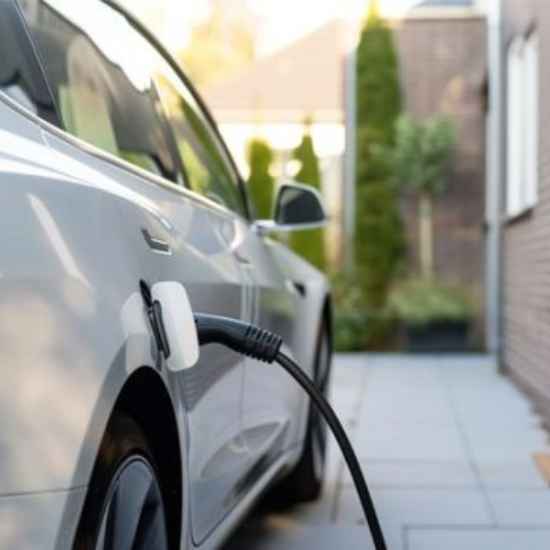
    For the vast majority of EV owners in Ireland, the home is the primary charging location. This is where the greatest savings are realised. Charging at home allows you to take advantage of domestic electricity tariffs, which are significantly lower than the commercial rates found at public rapid-charging stations.

    Standard 24-hour electricity rates in Ireland have seen fluctuations, but they remain the baseline for many households. However, the introduction of Smart Meters has opened the door to specialised EV tariffs. These “Night Boost” or “Free Saturday” plans can reduce the cost of a full charge to a fraction of the daytime price. By scheduling your car to charge between 2:00 AM and 5:00 AM, you might access rates as low as €0.08 to €0.12 per kWh.

    Estimated Costs for Home Charging

    Battery Size (kWh) Standard Day Rate (€0.38/kWh) Night/Smart Rate (€0.10/kWh)
    40 kWh (e.g., Nissan Leaf) €15.20 €4.00
    60 kWh (e.g., VW ID.3) €22.80 €6.00
    77 kWh (e.g., Hyundai IONIQ 5) €29.26 €7.70

    As the table demonstrates, the timing of your charge is the single most influential factor in your monthly energy bill. Drivers who utilise smart charging can power their vehicle for a week for the price of a single cup of coffee in a Dublin café.

    Professional Home Charger Installation

    To unlock these savings and ensure safety, a dedicated home charging point is a necessity. While some cars come with a “granny cable” for use with a standard three-pin domestic socket, these are slow and not designed for long-term heavy use. A dedicated Wallbox charger provides faster charging speeds, typically 7.2kW, and incorporates safety features that protect your home’s electrical system.

    Solar PV Panels Ireland specialises in the professional installation of high-quality home EV chargers across the country. Our team ensures that your charging setup is not only compliant with the latest electrical standards but also integrated efficiently with your home’s power supply. Having a professional installation also qualifies many homeowners for the SEAI EV Home Charger Grant, which can significantly offset the initial setup cost.

    Public Charging Infrastructure and Costs

    While home charging covers 80% to 90% of a driver’s needs, long-distance travel requires the use of the public charging network. In Ireland, this network is managed by several providers, including ESB ecars, IONITY, and Tesla. The cost of public charging is higher than home charging because you are paying for the convenience of high-speed hardware and the maintenance of the infrastructure.

    Public chargers are generally categorised into “Standard” (up to 22kW), “Fast” (50kW), and “High Power” (150kW+). The faster the charger, the higher the premium. For instance, ESB ecars currently operates a multi-tier pricing structure where registered members pay less than ad-hoc guest users.

    Public Charging Price Comparison

    Charger Type Estimated Cost per kWh (Member) Cost for 100km Range
    Standard AC (Public) €0.45 – €0.50 €7.50 – €8.50
    Fast DC (50kW) €0.55 – €0.60 €9.50 – €10.50
    High Power (150kW+) €0.65 – €0.70 €11.00 – €12.00

    Even at the higher end of the public charging spectrum, the cost is often comparable to or slightly lower than the equivalent fuel cost for a highly efficient diesel engine. However, for those who primarily charge at home, these higher costs are only incurred during occasional long trips, keeping the overall annual “fuel” bill very low.

    The Impact of Solar Energy on EV Costs
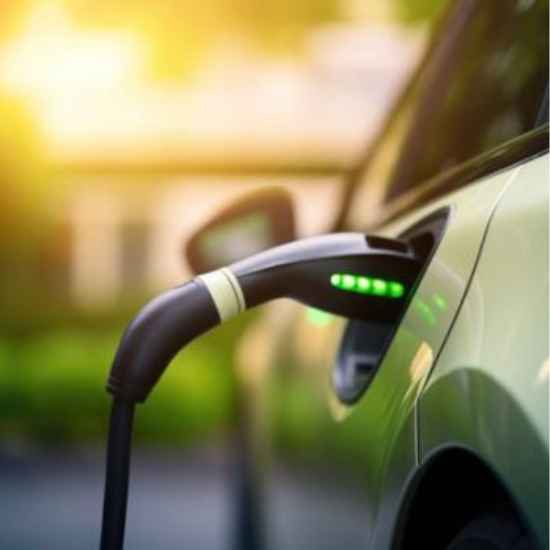
    The ultimate way to reduce the cost of charging an electric car is to produce your own electricity. By installing a Solar PV system, Irish homeowners can harness sunlight to fuel their vehicles. When your car is plugged into a solar-integrated charger during daylight hours, you are essentially driving on free, green energy.

    This synergy between solar power and electric mobility is the gold standard for sustainable living. During the summer months in Ireland, a well-sized solar array can generate enough surplus electricity to cover a significant portion of a daily commute. This reduces reliance on the grid and protects the homeowner from future increases in electricity prices. At Solar PV Panels Ireland, we help customers design systems that prioritise EV charging, ensuring that every photon of light captured by your roof translates into kilometres on the road.

    Variables That Influence Efficiency and Cost

    It is important to note that the cost per kilometre is not static. Several external factors can influence how much energy your car consumes. Temperature is a major variable; in the colder Irish winter months, lithium-ion batteries are less efficient, and the use of cabin heating requires more power. This can lead to a 10% to 20% increase in energy consumption compared to the summer.

    Driving style also plays a role. Frequent heavy acceleration and high speeds on the M50 or M7 will deplete the battery faster than steady driving in urban environments where regenerative braking can reclaim energy. By adopting a “smooth” driving style, EV owners can extend their range and lower their effective charging costs.

    Maintenance and Long-Term Savings

    When calculating the total cost of ownership, one must look beyond just the “fuel.” Electric cars have significantly fewer moving parts than internal combustion engines. There are no oil changes, no spark plugs, no timing belts, and no exhaust systems to replace. Furthermore, regenerative braking reduces the wear and tear on brake pads and discs.

    When you combine the lower cost of electricity with the reduced maintenance requirements and the cheaper motor tax rates (currently €120 per year for pure EVs), the financial argument for switching to electric becomes overwhelming. Over a five-year period, the savings compared to a petrol car can amount to thousands of Euros.

    Is the Switch Worth It?

    The transition to an electric vehicle in Ireland represents a shift toward both environmental responsibility and financial prudence. While the upfront cost of the vehicle and the installation of a home charger are considerations, the day-to-day running costs are undeniably lower.

    By utilising smart home charging, taking advantage of SEAI grants, and potentially integrating solar power, Irish drivers can insulate themselves from the rising costs of traditional fuels. The infrastructure in Ireland continues to improve, making range anxiety a thing of the past and cost-effective travel a reality for the present.

    If you are ready to take the next step in your EV journey, ensuring you have the right home charging infrastructure is vital. Solar PV Panels Ireland is here to provide expert advice and professional installation services to ensure your transition to electric driving is as seamless and cost-effective as possible. Contact us today to learn how we can help you power your future.
  • How Much Electricity Does a Solar Panel Produce in Ireland?

    How Much Electricity Does a Solar Panel Produce in Ireland?

    If you’re thinking about making the switch to green energy and cutting those hefty electricity bills, you need a straight answer: How much electricity does a solar panel actually produce here in Ireland?

    The short, honest answer is that it’s impossible to give you a single, neat figure without knowing the specifics of your roof. But don’t worry, we can give you some seriously solid estimates.

    On average, a well-installed 1-kilowatt-peak (kWp) solar PV system in Ireland will churn out anywhere between 900 kWh and 1,100 kWh of clean electricity per year.

    That’s a brilliant starting point, but to really understand the potential savings for your home, we need to dive into the technical bits, the seasonal shifts, and the simple fact that our mild, temperate climate is actually better for solar than you might think. Get comfortable, because we’re going to walk you through everything you need to know about harnessing the power of the Irish sun.

    The Numbers Game: Understanding PV Output in Ireland

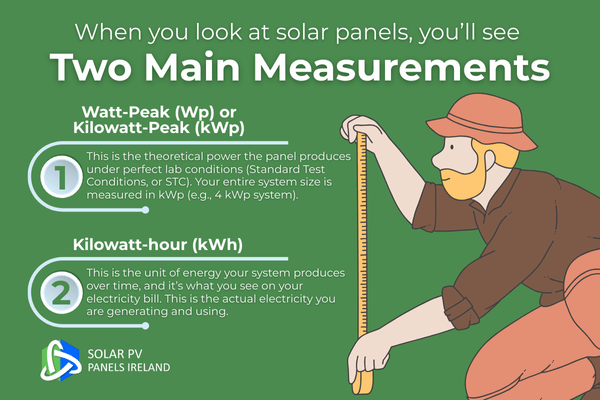
    Before we talk about your roof, let’s quickly clear up the jargon. When you look at solar panels, you’ll see two main measurements:

    1. Watt-Peak (Wp) or Kilowatt-Peak (kWp): This is the theoretical power the panel produces under perfect lab conditions (Standard Test Conditions, or STC). Your entire system size is measured in kWp (e.g., 4 kWp system).
    2. Kilowatt-hour (kWh): This is the unit of energy your system produces over time, and it’s what you see on your electricity bill. This is the actual electricity you are generating and using.

    What Does a Single Panel Produce?

    Let’s look at a modern, high-efficiency panel, typically rated around 400 Watts (0.4 kWp). Under average Irish conditions, one of these panels can produce roughly 730 kWh to over 1,022 kWh per year, depending entirely on its location and orientation. On an average day, you’re looking at about 1.75 kWh to 2 kWh from that single panel.

    Typical Output for an Average Irish Home

    The average Irish household consumes about 4,200 kWh of electricity annually. Very few people install a solar system aiming to cover 100% of this, as it often means generating excess power in the summer that is then sold cheaply. Instead, most people aim for optimal self-consumption, using the majority of what they generate.

    Here are some typical system sizes and what you can realistically expect them to generate in a calendar year, assuming a good, south-facing installation:

    Home Size/Energy Use System Size (kWp) Approximate Number of Panels (400W) Estimated Annual Generation (kWh) Coverage of Average Usage
    Small / Low Usage 2.5 kWp 6–7 2,250 – 2,750 ~50–60%
    Average Family Home 3.2 kWp 8 2,800 – 3,200 ~65–75%
    Larger Home / EV Charger 4.9 kWp 12 4,200 – 4,800 ~90–100%
    High Usage / Electric Heating 6.0 kWp+ 15+ 5,400+ 100% +

    As you can see, a standard 8-panel, 3.2 kWp system, which is very common, will produce enough energy to cover well over two-thirds of the electricity bill for a typical family. That’s a massive saving! It means that for 7-9 months of the year, you’ll barely be touching the grid, apart from perhaps overnight for the odd few bits.

    Cracking the Code: The Key Factors Influencing Solar Generation in Ireland

    While the estimates above are handy, the real-world output of your panels is complex and influenced by seven core factors. Understanding these will help you set realistic expectations and, more importantly, ensure your system is designed for maximum efficiency.

    1. Orientation and Tilt: Getting the Angle Right

    This is arguably the most crucial factor after system size.

    Tilt (Angle): The ideal tilt angle for maximum annual production in Ireland is typically between 30 and 35 degrees. This angle is calculated to balance the low winter sun and the high summer sun. Thankfully, most pitched roofs in Ireland naturally fall within this optimal range, making installation straightforward.

    Orientation (Direction): In the Northern Hemisphere, a true south-facing roof is the gold standard. This orientation provides the maximum yield over the course of the year. If your roof faces South-East or South-West, that’s absolutely fine, your output will only be about 5-10% lower. Even East- or West-facing roofs can still achieve 80-90% of the optimal output, making them fantastic options, especially if you use more power in the morning (East) or evening (West). North-facing roofs, however, are generally avoided as the production drops off too much to be cost-effective.

    2. Ireland’s Climate: Sunshine vs. Diffused Light

    Here’s the massive misconception: you don’t need direct, blazing hot sun for solar PV panels to work.

    Cloudy Days Still Produce: On a typical Irish overcast day, modern monocrystalline solar panels are highly effective at capturing diffused light. While output is obviously lower than on a bright, sunny afternoon, panels can still generate 20% to 40% of their peak power even when it looks like rain. This reliable, consistent generation, day in, day out, is what makes solar panels a brilliant long-term investment here.

    It’s Not Heat, It’s Light: Solar panels convert light (photons) into electricity, not heat. In fact, excessive heat is actually detrimental! Panels lose a little efficiency when they get roasting hot, so Ireland’s mild, temperate climate is actually a hidden bonus, keeping panel temperatures down and their efficiency up.

    3. Shading and Obstructions: The Efficiency Killers

    • Shading, even partial shading from something as small as a chimney or a nearby tree branch, can significantly reduce the output of an entire string of panels. Imagine a garden hose, if you squeeze it anywhere along its length, the flow is reduced for the whole hose. Traditional solar panels wired in series often work the same way.
    • The Modern Solution: This is where smart technology comes in. High-quality systems use Micro-Inverters or Power Optimisers. These clever devices sit behind each individual panel and manage the generation separately. If one panel is shaded, the others keep churning out electricity at full capacity, minimising loss and maximising your overall yield. This is a critical factor when choosing an installer.

    4. Panel Quality and Degradation

    Not all panels are created equal. Investing in high-quality panels ensures better long-term performance.

    • Degradation: All solar panels naturally lose a tiny bit of output over time. This is called degradation. Good panels are typically guaranteed to still produce 80-85% of their original output after 25 years. This gradual decline is factored into any reputable return-on-investment calculation.
    • Efficiency: Most top-tier panels used in Ireland have an efficiency rating between 20% and 23%. Higher efficiency means more electricity generated from a smaller area of the roof. If you have limited roof space, high-efficiency panels are a necessity.

    5. Inverter Quality and Design

    The inverter is the brains of your operation. It converts the Direct Current (DC) electricity produced by the panels into the Alternating Current (AC) used in your home. A quality inverter will maximise this conversion, ensuring minimal losses.

    6. Maintenance and Cleanliness

    While Ireland’s frequent rainfall often keeps panels reasonably clean, a build-up of dirt, dust, or bird droppings can occasionally impact performance. Thankfully, solar systems are very low maintenance. A quick, gentle clean every now and then, or simply letting the rain do its thing, is usually all that’s required.

    Seasonal Swings: When Do Your Panels Work Hardest?

    It’s crucial to understand that solar production is anything but constant. The vast majority of your annual electricity generation, up to 75%, will happen between May and September, thanks to long summer days and better angles of sunlight.

    To give you an idea of the seasonal difference for a typical 4 kWp system:

    Season Daily Output Estimate (kWh) Monthly Output Estimate (kWh)
    Summer (June-Aug) 12 – 18 kWh per day 360 – 540 kWh
    Spring/Autumn (Mar-May, Sept-Oct) 6 – 12 kWh per day 180 – 360 kWh
    Winter (Nov-Feb) 2 – 5 kWh per day 60 – 150 kWh

    The Winter Challenge and the Battery Solution

    The winter dip is the biggest sticking point for most homeowners. You need power when the sun is low (in the morning and evening), but that’s precisely when your panels are producing the least.

    This is why solar battery storage has become so popular in Ireland.

    • The Power of Night-Time: Batteries also allow you to charge them overnight using cheaper off-peak electricity rates, effectively turning your battery into a large, cheap energy storage solution for use during the expensive day-time peak hours.
    • How Batteries Help: On a sunny winter day, your panels might produce 4 kWh. Without a battery, any power you don’t use immediately is exported to the grid. With a battery, you can store that precious 4 kWh, ready to power your TV, kettle, and lights when it gets dark at 5 pm, drastically improving your self-consumption rate and reducing your reliance on expensive peak-time grid electricity.

    Maximising Your Savings: Self-Consumption and Microgeneration

    The amount of money you save isn’t just about how much electricity your panels produce; it’s about what you do with it.

    The Self-Consumption Sweet Spot

    Every kWh your solar panels generate and you use instantly in your home is a unit you don’t have to buy from the energy company at rates that can be north of 30c per kWh. This is called self-consumption, and it’s where the real savings are made.

    Top Tip: Get into the habit of running high-draw appliances (washing machines, dishwashers, electric showers, hot water immersion heating) during the middle of the day when your solar production is at its peak. Modern inverters and smart controls can even automate this for you.

    Microgeneration: Getting Paid for Your Exports

    Since 2022, the Irish government has mandated Microgeneration Support, meaning utility companies must pay you for any excess electricity you export back to the national grid. This is a game-changer.

    Export tariffs, or Clean Export Guarantees (CEG), vary by provider but are typically around 19 to 25 cents per kWh.


    While this export rate is usually lower than the rate you pay to buy electricity, it means that power you generate but can’t use (for instance, on a sunny afternoon when you’re out of the house) isn’t wasted. Instead, it earns you a credit on your bill, further reducing your annual energy costs.

    Is Solar Worth It in Ireland? Yes!

    To circle back to our original question: How much electricity does a solar panel produce in Ireland?

    • In sheer volume: Plenty. A standard 4 kWp system produces enough electricity to cover the bulk of a typical household’s annual demand (around 3,600 – 4,400 kWh).
    • In financial terms: It’s excellent. By switching from expensive grid power (30c+/kWh) to free solar power, you drastically cut your bills. Even with Ireland’s unpredictable weather, most modern, well-installed systems enjoy a solid return on investment, with payback periods typically ranging from 4 to 7 years, thanks to rising energy costs and available government grants.
    • In environmental terms: Priceless. You’re reducing your carbon footprint, insulating yourself against energy price hikes, and contributing to Ireland’s move toward energy independence.

    Ireland is a great location for solar PV. The light is consistent, the mild temperatures are perfect for panel efficiency, and the technology is better than ever. 

    Ready to stop wondering and start generating? Get in touch with the experts at Solar PV Panels Ireland today and discover the true power of solar for your home. We’ll calculate your exact production estimates, handle the grants, and fit a system that will keep those bills low for decades to come.

  • How Do Electric Cars Help The Environment?

    How Do Electric Cars Help The Environment?

    The beautiful landscape of Ireland faces a challenge from the modern era of transport. For decades, our reliance on fossil fuels has left a measurable mark on the atmosphere, with the transport sector standing as one of the largest contributors to carbon emissions in the country. However, the tide is turning. As we move through 2026, the adoption of electric vehicles (EVs) is no longer a niche choice. Understanding the profound impact these vehicles have on our ecosystem requires looking past the battery and into the entire lifecycle of how we generate energy.

    Eliminating Tailpipe Emissions

    The most immediate and undeniable way that electric cars help the environment is through the total elimination of tailpipe emissions. Traditional internal combustion engines function by burning petrol or diesel, a process that releases a significant volume of carbon dioxide, nitrogen oxides and particulate matter directly into the air. In a bustling city centre like Dublin or Galway, these pollutants become trapped at street level, contributing to poor air quality and respiratory health issues for the local people.

    When you switch to an electric vehicle, you effectively remove that chimney from your life. EVs produce zero exhaust emissions while driving. This doesn’t just help the global climate by reducing greenhouse gases, it has a big effect on the local environment. Cleaner air means healthier communities. It means a reduction in the smog that can often cover urban areas. In Ireland, our air is what makes us a clean and natural destination.

    Reducing the Carbon Debt Through Vehicle Lifecycle Efficiency

    A common point of discussion regarding electric cars is the environmental cost of their manufacturing, especially the production of lithium-ion batteries. It is true that the initial “carbon debt” of an electric car is higher than that of a conventional petrol car due to the mining and assembly processes required for the battery. However, focusing solely on this provides a misleading picture of a vehicle’s true impact.

    Research consistently shows that this carbon debt is paid back quickly once the car is on the road. In the context of the European energy mix, an EV usually becomes cleaner than a fossil-fuel equivalent within the first two years of normal driving. Over its entire lifespan, an electric vehicle will produce significantly lower total emissions than any petrol or diesel car. 

    Battery recycling technology has reached a point where precious metals like cobalt and lithium can be recovered and reused, reducing the need for new mining operations and ensuring that the materials used in today’s EVs power the transport of tomorrow.

    Irish National Grid and Renewable Energy

    One of the most exciting aspects of driving an EV in Ireland is the decarbonisation of our national electricity grid. EirGrid has made significant progress in integrating wind and solar energy into the national supply. This means that every year, the electricity used to charge your car becomes cleaner. Unlike a petrol car, which remains just as polluting throughout its entire lifespan, an electric car actually gets “greener” as it ages because the grid is evolving toward 100% renewable energy.

    Electric cars also play a practical role in supporting the grid’s stability. They act as flexible energy loads that can be charged when renewable production is at its peak. For example, during a windy night in the Atlantic, Ireland often generates more wind power than the population currently needs. By charging EVs during these off-peak hours, we are essentially “storing” that clean wind energy in our car batteries rather than letting it go to waste. This makes the entire national energy system more efficient and reduces our reliance on imported gas and coal.

    Solar Energy and EV Charging

    While the national grid is improving, the most environmentally conscious way to power an electric vehicle is to generate the energy yourself. This is where the true potential for a carbon-neutral lifestyle begins. By installing solar PV panels, you can take sunlight directly from your roof and convert it into the clean electricity needed to move your car. This setup eliminates the carbon footprint associated with energy transmission and ensures that your “fuel” is 100% renewable and free of charge.

    To make this vision a reality, Solar PV Panels Ireland install EV chargers that integrate seamlessly with your domestic solar panels. By having a professional installation that connects your solar panels to a dedicated home charger, you can take advantage of “solar diversion” technology. This system ensures that any excess electricity your home produces during the day is directed straight into your vehicle’s battery rather than being sent back to the grid for a lower return. It turns your home into a self-sufficient energy hub. This allows you to drive purely on sunshine.

    The Mitigation of Noise Pollution

    Environmental protection isn’t just about the gases we release; it is also about the noise we create. Noise pollution is a significant but often overlooked environmental stressor that affects both humans and wildlife. Traditional engines create a constant drone of mechanical noise that can disrupt various Irish bird and mammal species. In urban environments, the constant hum of traffic is linked to increased stress and cardiovascular issues in humans.

    Electric vehicles are remarkably quiet, especially at lower speeds. As more people move to EV’s, our residential streets and rural lanes become more peaceful. This reduction in noise pollution helps to restore the natural soundscapes of the Irish countryside and makes our cities more liveable. For the environment, this means a more harmonious coexistence between our infrastructure and nature. This allows for a quieter landscape that benefits all inhabitants.

    Mechanical Efficiency and Waste Reduction 

    Beyond emissions, the very physics of an electric motor is more environmentally friendly than that of a combustion engine. Internal combustion engines are notoriously inefficient, wasting up to 80% of the energy in their fuel as heat. Only about 20% of the energy you pay for at the pump actually moves the car forward. Electric motors, by contrast, are over 90% efficient. This means that far less energy is required to travel the same distance.

    EVs also feature regenerative braking, a system that captures the energy usually lost during deceleration and pumps it back into the battery. This doesn’t just save energy, it also reduces the wear and tear on brakes. Normal braking creates friction that releases fine metallic dust into the environment, another form of pollution. Because EVs use the motor to slow down, they produce far less brake dust and require fewer replacement parts over their lifetime. This reduction in mechanical waste is a quiet but crucial win for the planet.

    A Greener Path Forward for Ireland

    The move to electric vehicles is a vital component of Ireland’s commitment to a sustainable future. By addressing the problems of air quality, carbon emissions and resource waste, EVs offer a pathway to a cleaner and more efficient transport system. When combined with the power of domestic renewable energy, the benefits are huge. Taking the step to generate your own power and charge your own vehicle is the ultimate way to protect the Irish environment for future generations.

    Reach out to Solar PV Panels Ireland today, to enquire about EV chargers or solar panels.

  • Why Should You Consider Solar Panels for Your Home?

    Why Should You Consider Solar Panels for Your Home?

    Comprehensive Guide for Irish Homeowners 

    In a world increasingly focused on sustainability and energy efficiency, Irish homeowners are turning their attention to a powerful and practical solution: solar panels. At Solar PV Panels Ireland, we’ve seen firsthand how this clean technology is transforming homes, reducing bills, and contributing to a greener future. If you’re wondering whether solar energy is the right choice for your property, this comprehensive guide will walk you through the many reasons why you should consider making the switch.

    For too long, the idea of solar power in Ireland was met with skepticism due to our famously cloudy climate. However, modern solar photovoltaic (PV) technology is incredibly efficient, and it’s important to understand that solar panels don’t need direct sunlight to generate electricity. They work effectively using daylight, meaning they produce energy even on overcast days. With a typical lifespan of 25-30 years, solar panels are a long-term investment that offers a multitude of benefits for both your wallet and the environment.

    The Financial Benefits of Going Solar: From Savings to Income

    1. Drastically Reduce Your Electricity Bills

    By generating your own electricity, you can dramatically lower your reliance on the national grid and the utility companies that supply it. A well-designed solar PV system can offset a substantial portion of your annual electricity usage, some systems can generate enough power to cover up to 70% of an average Irish home’s yearly electricity needs. This means your monthly electricity bills could be cut by more than half, leading to thousands of euros in savings over the system’s lifetime. The payback period for a solar panel system in Ireland is now typically between 5 to 7 years, after which the electricity you generate is essentially free.

    2. Sell Excess Electricity Back to the Grid

    Ireland’s Microgeneration Support Scheme (MSS) is a game-changer for solar panel owners. This government initiative allows you to sell any surplus electricity your panels generate back to the national grid. Your electricity provider will pay you a Clean Export Guarantee (CEG) tariff for every kilowatt-hour (kWh) of electricity you export. This passive income stream not only helps you recoup your initial investment faster but also allows you to make a profit from your clean energy production. It’s a win-win: you earn money while also providing renewable energy to your community.

    3. Take Advantage of Government Grants and VAT Reductions

    The Irish government and organisations like the Sustainable Energy Authority of Ireland (SEAI) have made solar panel installation more affordable than ever. We are proud to be an SEAI-registered company, which means our customers are eligible for the available grants. As of now, homeowners can access grants of up to €2,100 for solar PV panels. This funding significantly reduces the upfront cost, making solar energy accessible to a wider range of budgets. Additionally, the government’s decision to reduce the VAT on the supply and installation of solar panels to zero has further decreased the overall cost of a new system by close to €1,000. For farmers, there’s also the TAMS 3 Solar Grant which we can help you with to reduce the costs of commercial solar systems.

    The Environmental Impact: A Greener Home and Planet

    Choosing solar panels is one of the most effective actions you can take to combat climate change and reduce your carbon footprint.

    1. Reduce Your Carbon Footprint

    By shifting to solar energy, you are directly reducing your household’s reliance on fossil fuels like coal and natural gas, which are primary contributors to greenhouse gas emissions. Solar power is a completely clean, renewable energy source that doesn’t produce any harmful emissions or pollutants during operation. Every kWh of solar energy you generate is one less kWh of electricity produced from a non-renewable source, making a tangible difference for the environment.

    2. A Sustainable and Renewable Resource

    Unlike fossil fuels, which are finite and will eventually run out, solar energy is limitless. The sun is a continuous and reliable source of power that we can harness without depleting natural resources. Investing in solar technology is a commitment to a sustainable future, ensuring that your home’s energy needs are met in an environmentally responsible way for decades to come.

    Enhancing Your Home and Lifestyle

    Beyond the financial and environmental benefits, solar panels offer a range of practical advantages that improve your home and daily life.

    1. Increase Your Property’s Value

    Homes with solar panels are increasingly attractive to potential buyers. A solar PV system can significantly enhance a home’s market value. In Ireland, a home’s Building Energy Rating (BER) is a key factor in its value, and installing solar panels can substantially improve this rating, making your property more appealing and potentially leading to a faster sale. The presence of solar panels signals to buyers that the home is modern, energy-efficient, and comes with the promise of lower utility bills.

    2. Achieve Energy Independence

    In today’s volatile energy market, being able to generate your own electricity provides a sense of security and control. You become less vulnerable to rising electricity prices, supply chain disruptions, and grid outages. With a solar panel system, you have a degree of energy independence, ensuring that your essential appliances and devices stay powered, regardless of external factors.

    3. Low Maintenance and High Durability

    Solar panels are built to last. They are made from durable materials and have no moving parts, which means they require very little maintenance. Typically, a simple cleaning a couple of times a year is all that is needed to keep them operating at peak efficiency. They are designed to withstand Irish weather conditions, from heavy rain to high winds, and they often come with a warranty of 20 years or more, giving you peace of mind about your investment.

    The Solar PV Panels Ireland Advantage: Your Trusted Partner

    Making the decision to go solar is a significant one, and choosing the right partner is crucial. At Solar PV Panels Ireland, we provide a complete, end-to-end solution for homeowners across the country. Our process is designed to be seamless and stress-free, ensuring you get a system that is perfectly tailored to your home’s unique needs.

    Our Installation Process:

    1. Site Survey: A qualified technician will visit your property to assess your roof’s orientation, available space, and current energy usage. This helps us design a system that maximises energy generation for your home.
    2. Custom Design & Quotation: We create a detailed, bespoke design and provide a transparent pricing plan, including a breakdown of all costs and potential savings.
    3. SEAI Grant Assistance: As an SEAI-registered company, we will guide you through the grant application process, making it as simple as possible to secure your funding.
    4. Professional Installation: Our team of fully qualified and Safe Electric-registered technicians handles the entire installation. We ensure the work is done to the highest standards, safely and efficiently, with minimal disruption to your home.
    5. Ongoing Support: Our commitment doesn’t end with the installation. We offer full support and are always available to answer your questions and ensure your system is running smoothly.

    Common Questions About Solar Panels in Ireland

    Do solar panels work in Ireland?

    Yes! As mentioned, modern PV panels are highly efficient and are designed to work with daylight, not just direct sunlight. Ireland’s long daylight hours, particularly in the summer, provide ample opportunity for energy generation.


    How long do solar panels last?

    A typical solar panel system has a lifespan of 25 to 30 years or even longer. They are a robust, low-maintenance technology that provides decades of reliable energy.


    Can I get a solar panel system if I have an electric car?

    Absolutely. Pairing your solar panels with an electric car charger allows you to power your vehicle with clean, free energy from the sun. This can lead to massive savings on fuel costs and is a perfect combination for a greener lifestyle.

    The question is no longer “should I install solar panels?” but “when can I get them?”. With significant financial incentives, a clear path to energy independence, and the opportunity to make a positive environmental impact, the benefits are undeniable. 

    Solar PV Panels Ireland is here to help you take the first step toward a brighter, more sustainable future for your home. Our team serves homes and businesses throughout Ireland, including LongfordMeathRoscommonGalwayOffalyLaoisSligoWestmeathKildareMayo and Dublin, providing expert advice and professional installation.

    If you’re ready to start saving money and reducing your carbon footprint, contact us today for a free consultation. Our team is ready to help you unlock the full potential of solar energy for your home.

  • Is my house suitable for solar panels?

    Is my house suitable for solar panels?

    Comprehensive Guide for Irish Homeowners 

    Thinking about joining the solar revolution? You’re not alone. Solar energy is becoming increasingly popular in Ireland, with more and more homeowners looking to reduce their electricity bills, decrease their carbon footprint, and take advantage of the generous grants and support schemes available. But before you get too excited about the prospect of free electricity from the sun, you might be asking yourself one of the most important questions: “Is my house even suitable for solar panels?”

    The short answer is: probably. Solar PV Panels Ireland, a leading provider of solar energy solutions across the country, has found that most houses are indeed suitable. The longer, more detailed answer is what this article is all about. We’ll walk you through all the key factors, from your roof’s characteristics to your current electrical system, to help you understand if your home is a good candidate for a solar PV installation.

    Your roof is the star of the show when it comes to solar panel suitability. It’s where the panels will live and where the magic of converting sunlight into electricity happens. Here’s what Solar PV Panels Ireland looks for during a site assessment:

    best roof orientation for solar panels

    a) Roof Type and Condition

    The good news is that solar panels can be fitted on almost any type of pitched or flat roof in Ireland. The most common types, like flat concrete tiles and natural slate, are perfectly suitable. A key consideration, however, is the condition of your roof. Solar panels are built to last for decades, and you want to ensure the structure they’re mounted on is equally durable. If your roof is old or in need of repair, it’s wise to address this before installation. Think of it as a long-term investment; fixing the roof now will save you from a costly and complex process of removing and re-installing the panels later.

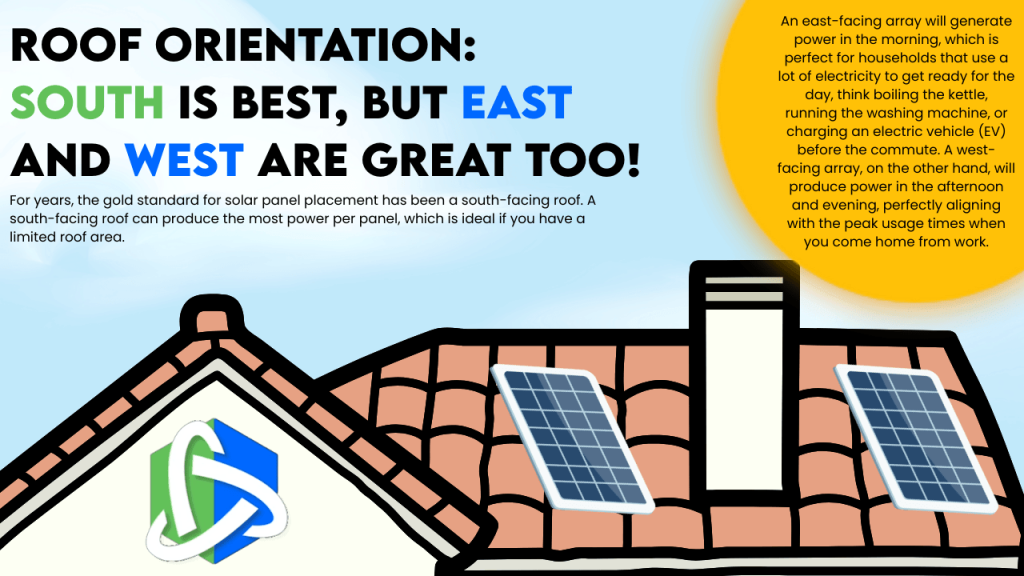
    b) Roof Orientation: South is Best, but East and West are Great Too

    For years, the gold standard for solar panel placement has been a south-facing roof. This is because in the Northern Hemisphere, a south-facing roof receives the most direct sunlight throughout the day, maximising energy generation. A south-facing roof can produce the most power per panel, which is ideal if you have a limited roof area.

    However, the world of solar has evolved, and now, east and west-facing roofs are excellent options as well. In fact, for many modern households, they might even be a better fit. An east-facing array will generate power in the morning, which is perfect for households that use a lot of electricity to get ready for the day, think boiling the kettle, running the washing machine, or charging an electric vehicle (EV) before the commute. A west-facing array, on the other hand, will produce power in the afternoon and evening, perfectly aligning with the peak usage times when you come home from work. This can reduce or even eliminate the need to draw from the grid during the most expensive hours.

    Solar PV Panels Ireland’s experts can design a system that takes advantage of both east and west-facing roof slopes, creating a split array. This can be a highly effective strategy to spread your electricity generation throughout the day, potentially matching your household’s energy consumption more closely and reducing your bills even further.

    c) Roof Pitch: The Angle Matters

    The pitch, or angle, of your roof also plays a role in solar panel efficiency. A pitch of 30 to 40 degrees is generally considered optimal for an Irish climate. However, modern solar panel technology is so efficient that panels on roofs with a flatter or steeper pitch will still generate a significant amount of electricity. Even flat roofs are a viable option, as panels can be mounted on frames that are tilted to the ideal angle. The key is to work with an experienced installer like Solar PV Panels Ireland, who can design a custom system that is optimised for your specific roof’s pitch and orientation.

    2. Shading: The Silent Power Thief

    Shading is one of the biggest potential issues for solar panel performance. Even a small amount of shade on a single panel can significantly reduce the output of the entire system. This is why a thorough site inspection is crucial. A Solar PV Panels Ireland professional will look for sources of shade from:

    • Neighbouring buildings: A tall building next door can cast a significant shadow over your roof at certain times of the day.
    • Trees: Overhanging trees, especially deciduous ones, can cause problems in the summer when the sun is at its highest and the leaves are thick.
    • Chimneys and dormer windows: These are fixed objects on your own roof that can create shade at different times of the day.

    While constant, heavy shade can make a system unviable, it’s important to remember that not all shading is a dealbreaker. For intermittent or partial shading, Solar PV Panels Ireland uses advanced technology to mitigate the issue. For example, they can install optimisers on individual panels. These devices ensure that if one panel is shaded, it doesn’t bring down the performance of the others in its row, allowing the rest of the system to operate at maximum efficiency.

    3. Your Electrical System: The Hidden Requirement

    The electrical system in your house is a critical but often overlooked aspect of solar panel suitability. A solar PV system connects directly to your home’s main fuse board. During a site inspection, a qualified electrician from Solar PV Panels Ireland will check the condition and capacity of your electrical system to ensure it can safely handle the new load and meet modern safety standards.

    • Older Fuse Boards: If you have an older fuse board with ceramic fuses, it may need to be upgraded to a modern consumer unit with circuit breakers. This is a standard safety measure and a relatively minor cost in the grand scheme of the installation.
    • Earthing and Bonding: The electrician will also check the main earth and bonding of the house to ensure the system complies with current regulations.

    It is important to note that a house with an older electrical system is not unsuitable for solar panels; it simply means a minor upgrade may be required to make the installation safe and compliant.

    4. Hot Water Setup: Heating Water with Sunlight

    If you have a hot water tank with an existing immersion element, your house is perfectly suited for a solar immersion diverter. This clever device diverts any surplus electricity from your solar panels to heat your water tank. This means you can use the free, clean energy you’re generating to heat your water, significantly reducing or even eliminating your immersion heating bills.

    While solar immersion diverters are a fantastic way to maximise your savings, modern smart meters and their tariffs are also becoming a popular and highly effective option. A smart meter allows you to sell your excess electricity back to the grid under Ireland’s Microgeneration Support Scheme, providing a new stream of income from your solar panels. Solar PV Panels Ireland can help you determine the best option for your household and hot water needs.

    5. Grant Eligibility: Making it More Affordable

    The Irish government, through the Sustainable Energy Authority of Ireland (SEAI), offers generous grants to encourage homeowners to switch to solar energy. Solar PV Panels Ireland is an SEAI registered company, which means they can help you navigate the grant application process and ensure you meet the eligibility criteria.

    Generally, your house is eligible for an SEAI grant if it is:

    • An owner-occupied home.
    • Built and occupied before 2021.
    • Connected to the grid.
    • Has not previously received an SEAI grant for a solar PV system.

    The grant can significantly reduce the upfront cost of your solar PV system, making the average payback period of 5 to 7 years even shorter. A well-sized system can reduce your electricity bills by up to 60% annually, so the savings combined with the grant make it a highly profitable and proven renewable energy solution in Ireland.

    6. The Benefits: Why the Suitability Check is Worth It

    Determining your home’s suitability for solar panels is the first step towards a greener, more cost-effective future. As we’ve seen, it’s not just about having a roof; it’s about making sure the entire system works for you. By getting a professional assessment from a company like Solar PV Panels Ireland, you can unlock a host of benefits:

    • Financial Savings: Drastically reduce your electricity bills and start generating your own power. With the Microgeneration Support Scheme, you can even earn money by selling excess energy back to the grid.
    • Environmental Impact: Reduce your carbon footprint and contribute to a more sustainable energy system in Ireland.
    • Energy Independence: Become less reliant on fossil fuels and the fluctuating costs of the energy market.
    • Increased Property Value: A modern, high-quality solar PV system is a major selling point and can increase the value of your home.
    • Long-Term Investment: Solar panels are designed to last for 25 years or more, providing a long-term, stable return on your investment.

    Is Your House Suitable? The Next Step

    In most cases, the answer to “Is my house suitable for solar panels?” is a resounding “yes.” While every home is unique, and factors like roof orientation, shading, and your current electrical system need to be considered, these are rarely insurmountable obstacles. With the right design and technology, Solar PV Panels Ireland can customise a system that works for your specific circumstances.

    The key is to move from asking the question to getting a professional, no-obligation site assessment. A qualified expert from Solar PV Panels Ireland will visit your home, evaluate all the factors discussed above, and provide you with a detailed plan and a quote. This is the only way to get a definitive answer tailored to your unique situation.

    Solar PV Panels Ireland designs, plans, installs, and supports renewable energy installations across many counties in Ireland, including Longford, Meath, Roscommon, Galway, Offaly, Laois, Sligo, Westmeath, Kildare, Mayo and Dublin. They have the expertise to make your solar dreams a reality. Don’t wait, take the first step towards energy independence and a brighter future. Contact Solar PV Panels Ireland today to schedule your free consultation.

  • Advantages and Disadvantages of Solar Energy

    Advantages and Disadvantages of Solar Energy

    As Ireland transitions toward a greener future, more homeowners and businesses are looking to the sky, not just to check for rain, but to harness the power of the sun. Solar photovoltaic (PV) technology has come a long way in the last decade, becoming more efficient and affordable.

    However, making the switch to renewable energy is a significant investment. To help you decide if it’s the right move for your property, we have compiled a list of the advantages and disadvantages of solar energy. Whether you are looking to cut your electricity bills or reduce your carbon footprint, understanding the full picture is essential.

    The Advantages of Solar Energy

    1. Reduction in Electricity Bills

    The most immediate benefit of installing solar panels is the impact on your wallet. By generating your own electricity, you rely less on the national grid. In Ireland, where energy prices have been volatile, solar energy provides a level of “energy independence.” Depending on the size of your system, you could save up to 70% on your annual electricity costs.

    2. Low Maintenance Costs

    Once installed, solar PV systems require very little upkeep. There are no moving parts, which means there is very little wear and tear. Generally, you only need to ensure the panels are relatively clean and not overshadowed by new tree growth. Most reputable manufacturers offer warranties of 20 to 25 years, making it a “fit and forget” technology for many homeowners.

    3. SEAI Grants and Financial Incentives

    The Irish government, through the Sustainable Energy Authority of Ireland (SEAI), offers generous grants to help offset the initial cost of installation. Furthermore, the Clean Export Guarantee (CEG) scheme now allows you to sell excess electricity back to the grid. This means your solar panels aren’t just saving you money, they are earning it too.

    4. Positive Environmental Impact

    Solar energy is a clean, renewable resource. Unlike fossil fuels, solar power produces no greenhouse gases or water pollution during operation. By choosing solar, a typical Irish household can save approximately one tonne of CO2 emissions per year, playing a vital role in combating climate change.

    5. Increased Property Value

    Energy efficiency is a major selling point in the modern property market. A high Building Energy Rating (BER) can significantly increase the resale value of your home. Potential buyers view solar panels as a premium feature that promises lower future living costs.

    The Disadvantages of Solar Energy

    1. High Upfront Cost

    Despite the grants available, the initial investment for a high-quality solar PV system can be substantial. This includes the cost of the panels, the inverter, cabling and professional installation. While the system pays for itself over time (typically within 4–9 years in Ireland), the initial price remains a barrier for some.

    2. Weather Dependency and Intermittency

    It is no secret that Ireland isn’t the Sahara. Solar panels require daylight to function, and while they do work on cloudy days, their efficiency drops. Furthermore, solar energy cannot be produced at night. This intermittency means that without a battery storage system, you will still need to rely on the grid during dark hours.

    3. Space Requirements

    To generate a significant amount of power, you need a fair amount of roof space. If your roof is small or has multiple dormer windows/chimneys, you might not be able to install enough panels to meet your energy needs. Additionally, the roof must be structurally sound to support the weight of the system. It is worth noting that ground mounted panels are also an option.

    4. Aesthetic Impact

    While many people appreciate the sleek, modern look of black monocrystalline panels, some homeowners find them unattractive or feel they don’t suit traditional Irish homes. While “in-roof” systems exist that sit flush with the tiles, these are often more expensive than standard “on-roof” installations.

    Solar Energy at a Glance: Pros vs. Cons

    To help summarise the points above, here is a quick-reference table comparing the benefits and drawbacks:

    Feature Advantage Disadvantage
    Financials Lower monthly bills and grid sell-back revenue. Significant initial capital investment required.
    Environment Zero emissions; reduces carbon footprint. Environmental impact of panel manufacturing.
    Reliability Long lifespan (25+ years) with low maintenance. Dependent on daylight; no production at night.
    Value Increases BER rating and property resale value. May require roof upgrades or specific aesthetics.
    Independence Protection against rising fossil fuel prices. Requires battery storage for full autonomy.

    Why Professional Installation Matters

    When weighing these pros and cons, the “cons” are often mitigated by choosing the right partner. This is where Solar PV Panels Ireland comes in. Navigating the technicalities of inverter types, battery storage capacities, and SEAI paperwork can be daunting.

    By utilising our expert services, you ensure that your system is optimised for the specific orientation and tilt of your roof. A professional assessment can determine if your home is a “solar-ready” candidate, ensuring you get the maximum possible Return on Investment (ROI). From the initial consultation to the final grid connection, having experts handle the installation ensures safety, efficiency and longevity.

    Is Solar Energy Worth It?

    When looking at the advantages and disadvantages of solar energy, the scales are increasingly tipping toward the “pro” side for Irish residents.

    The combination of rising electricity costs, the availability of SEAI grants and the ability to sell power back to the grid makes solar PV one of the smartest financial and environmental decisions a homeowner can make in 2026 and beyond. While the upfront cost and the Irish weather are factors to consider, the long-term savings and the contribution to a sustainable planet outweigh the drawbacks.

    If you are ready to take control of your energy future, consider reaching out to professionals who understand the Irish landscape. Solar PV Panels Ireland will provide you with a bespoke system tailored to your energy consumption patterns, ensuring that those “disadvantages” are minimised while your savings are maximised.

    Take the first step toward energy independence today. Get in touch to learn more about how solar can transform your home and life.

    Frequently Asked Questions (FAQs)

    Does Solar actually work in Ireland?

    Yes! Contrary to popular belief, solar panels do not need direct, scorching sunlight; they only need daylight. Ireland’s light levels are surprisingly similar to parts of Germany, which is one of the world leaders in solar adoption.

    How long does the installation take?

    For a standard residential home, most solar PV services can complete the installation in just one to two days.

    What happens during a power cut?

    Unless you have a specific “islanding” inverter and battery backup, your solar system will shut down during a power cut for safety reasons. This prevents your system from feeding electricity back into the grid while engineers are working to fix the lines.

    Does it help the environment?

    It does. A single solar installation on a normal domestic property can save around a tonne of CO2 per year, making it the foundation of creating a sustainable Irish home.

  • How Many Solar Panels Do I Need

    How Many Solar Panels Do I Need

    The Ultimate Guide for Irish Homeowners

    In an age where electricity costs are a constant worry and the urgency to embrace sustainable living is growing, many Irish homeowners are turning to solar energy. The question on everyone’s mind is simple yet crucial: “How many solar panels do I need for my home?” While a quick search might give you a general figure, the truth is that the answer is far more complex and personal than a single number. It’s not a one-size-fits-all solution; it’s a detailed calculation based on your unique circumstances.

    This comprehensive guide will demystify the process, breaking down the key factors that influence your ideal solar panel system size. We’ll explore general estimates for typical Irish homes, walk you through a simplified calculation, and show you why partnering with a professional, SEAI-registered company like Solar PV Panels Ireland is the most effective way to determine the perfect system for your needs.

    The Most Important Factor: Your Energy Consumption

    Before you can even begin to think about panels, you must first understand your own energy habits. This is the single most important variable in the entire equation. The number of panels you need is directly linked to how much electricity your household uses on a daily or annual basis.

    Most electricity bills provide your energy usage in kilowatt-hours (kWh). You can look at your most recent bill or, even better, review your bills over a full year to get a comprehensive understanding of your consumption patterns throughout the seasons.

    General Guidelines:

    • A typical three-bedroom Irish home might use an average of 20 kWh per day, which translates to roughly 7,300 kWh per year.
    • Larger, four-bedroom homes with more occupants or energy-intensive appliances will naturally have higher consumption, potentially exceeding this average.
    • Smaller, two-bedroom terraced houses, particularly those with a focus on energy efficiency, may have significantly lower usage.

    Your goal is to install a solar panel system that can generate enough electricity to meet a significant portion, if not all, of this demand. The more energy you use, the more panels you will likely need to offset that usage.

    Understanding Your Roof’s Role

    best roof orientation for solar panels

    The second major factor is your roof. The size, shape, and direction of your roof are fundamental in determining how many panels can be installed and how much energy they will produce.

    • Space and Obstructions: The total available space on your roof is a limiting factor. The presence of skylights, chimneys, or even dormer windows can reduce the usable area. A professional survey will map out your roof and identify the ideal placement for each panel to ensure maximum sunlight exposure.
    • Orientation: In the Northern Hemisphere, south-facing roofs receive the most direct sunlight throughout the day. This makes them the most efficient for solar panel installation. West- and east-facing roofs can also be effective, particularly for homes that use more energy in the mornings or evenings, as they will capture sunlight during those specific times. North-facing roofs are generally not suitable for solar panels as they receive very little direct sunlight.
    • Pitch/Slope: The angle of your roof also plays a role. A pitch between 30 and 40 degrees is considered optimal for capturing maximum sunlight in Ireland. However, modern solar technology is highly effective across a range of angles.

    The Power of the Panels Themselves: Wattage and Efficiency

    Not all solar panels are created equal. The two key metrics to understand are wattage and efficiency.

    • Wattage (or Power Rating): This is the amount of power a solar panel can produce under standard test conditions. Panels today typically have a wattage of 400 watts (W) or higher. A 430-watt panel is common, while high-end panels can reach 550 watts. A higher wattage means each individual panel produces more electricity, meaning you might need fewer of them to achieve your desired energy output.
    • Efficiency: This refers to the panel’s ability to convert sunlight into usable electricity. A panel with 20% efficiency converts 20% of the sunlight it receives into power. Higher efficiency panels are generally more expensive but can be a great option for roofs with limited space, as they generate more energy per square metre.

    The “What Ifs”: Future-Proofing Your System

    When planning your solar installation, it’s crucial to consider not just your current energy needs, but your future ones. Are you thinking about purchasing an electric vehicle (EV) in the next few years? Do you plan to install an air-source heat pump? Both of these technologies significantly increase your household’s electricity demand.

    A great solar system is one that can grow with you. By accounting for these future needs now, you can install a slightly larger system that will save you money and hassle down the line. Installing an EV charger at the same time as your solar panels can be a smart, forward-thinking investment.

    General Estimates for Irish Households

    While a precise number requires a professional consultation, here are some helpful estimates based on typical Irish homes and energy usage. Remember, these are rough guidelines and not definitive answers.

    Small Homes (e.g., a 2-bed terraced house): For households with low energy consumption (around 2,000 to 3,000 kWh per year), an 8-panel array might be sufficient. This could be a system size of around 3 kWp (kilowatt-peak).

    • Average Homes (e.g., a 3-bed semi-detached house): A typical three-bedroom home often needs a system of around 10 panels. This would be a 4 kWp system and is a common size for many families looking to significantly reduce their electricity bills.
    • Large Homes (e.g., a 4-bed detached house): A larger home with higher energy usage (e.g., 6,000 kWh per year or more) might need 12 panels or more. A 5 kWp or even 6 kWp system with up to 14 panels would be a more suitable size to meet higher demands.

    The Simplified Calculation: A Quick Snapshot

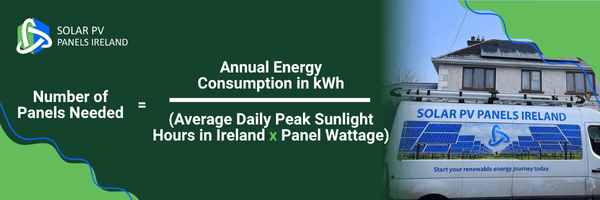
    For a basic, back-of-the-envelope calculation, you can use a simplified formula. This is by no means a substitute for a professional assessment but can give you a rough idea.

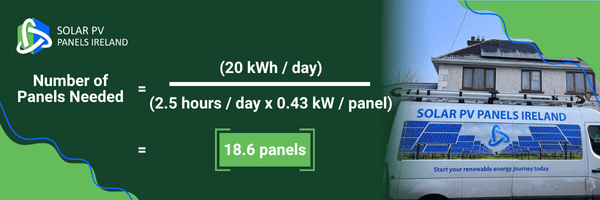
    Let’s use an example: a three-bedroom house with an average daily usage of 20 kWh.

    • Daily Usage: 20 kWh
    • Average Peak Sunlight Hours in Ireland: Approximately 2.5 hours
    • Panel Wattage: Let’s assume a 430-watt panel (0.43 kW)

    Calculation

    As you can see, this simplified calculation suggests a much higher number of panels than the common estimates. This is because real-world factors like cloud cover, temperature, and specific system design make a significant difference. It highlights precisely why a professional site survey is absolutely essential.

    Why You Need a Professional: The Solar PV Panels Ireland Advantage

    While the numbers and calculations are a good starting point, the most reliable and effective way to determine your perfect solar system size is to get a professional assessment. This is where a company like Solar PV Panels Ireland excels.

    They don’t just give you a number; they provide a comprehensive solution from start to finish. Their process is designed to ensure you get the most out of your investment:

    1. Site Survey: A qualified team will conduct a thorough on-site survey. They will meticulously check your roof’s orientation, pitch, dimensions, and identify any potential shading issues. This data is used to create a precise, tailored system design.
    2. Planning and Design: Based on the survey and your specific energy needs, they will design a system that is perfectly sized for your home. They will recommend the optimal number of panels, the right type of solar inverter, and can even include solar batteries for energy storage or an EV charger.
    3. SEAI-Registered for Grants: As an SEAI-registered company, Solar PV Panels Ireland enables you to avail of valuable grants, such as the SEAI Solar PV grant for homeowners, which can significantly reduce the upfront cost of your installation. They can also assist with the TAMS 3 Solar Grant for agricultural projects.
    4. Professional Installation: The company’s qualified crew handles the entire installation process, ensuring everything is done safely and efficiently to the highest standards.
    5. Ongoing Support: Their commitment doesn’t end with the installation. They provide comprehensive support, ensuring your system performs optimally for its 25+ year lifespan.

    The Return on Investment: Benefits Beyond the Panels

    The benefits of going solar with a professional company like Solar PV Panels Ireland extend far beyond the number of panels you install.

    • Significant Cost Savings: A well-sized solar system can reduce your electricity bills by up to 60% annually. This is a massive saving that adds up to thousands of Euros over the life of the system.
    • Rapid Payback Period: The average payback period for a solar PV system in Ireland is typically between 5 to 7 years. After that, the electricity you generate is essentially free, providing a return on your investment for decades to come.
    • Sell Back to the Grid: Thanks to the Microgeneration Support Scheme, you can sell any excess electricity you don’t use back to the grid. This creates an additional revenue stream, turning your home into a small power station.
    • Environmental Impact: By generating your own clean, renewable energy, you significantly reduce your carbon footprint and reliance on fossil fuels. It’s a powerful step towards a more sustainable future for yourself and for Ireland.
    • Increased Property Value: Homes with solar panel installations are becoming increasingly attractive to potential buyers, adding to your property’s value.

    Where Does This Leave Us

    So, how many solar panels do you need? While general estimates can provide a starting point, the most accurate and reliable answer is one that comes from a professional, on-site assessment. It’s a number that is perfectly tailored to your unique energy needs, your home’s specific characteristics, and your future goals.

    By choosing an experienced and SEAI-registered company like Solar PV Panels Ireland, you’re not just buying solar panels; you’re investing in a comprehensive solution that guarantees efficiency, safety, and long-term financial and environmental benefits.

    Don’t leave this crucial decision to guesswork. Contact Solar PV Panels Ireland today for a free, no-obligation quote and take the first step toward a brighter, more sustainable future for your home.

  • What Size Are Solar Panels?

    What Size Are Solar Panels?

    If you have been keeping an eye on the ever-growing number of solar arrays appearing on rooftops across Ireland, you have likely wondered about the logistics of fitting them onto your own home. One of the most common questions we hear at Solar PV Panels Ireland is simply: “What size are solar panels?” It is a practical question because, while we all want to save on our electricity bills, our roofs only have so much real estate. Understanding the physical dimensions and weight of these panels is the first step in figuring out if your home is a good candidate for renewable energy and how many panels you can actually fit.

    Standard Dimensions for Residential Solar Panels

    When we talk about the size of a solar panel, we are usually looking at three specific measurements: the length, the width, and the thickness of the frame. In the Irish market, there has been a significant move toward a “standard” size for residential installations, but there is still some variation depending on the brand and the power output. Typically, a modern residential solar panel measures approximately 1.7 metres in length and about 1.1 metres in width. To give you a mental image, that is roughly the size of a standard internal door, though slightly wider. The thickness of the panel, which includes the protective glass and the aluminium frame, usually sits between 30mm and 40mm.

    While those dimensions cover most homes, the industry is constantly evolving. A few years ago, it was common to see panels that were slightly narrower, often around the 1-metre mark. As technology improves and manufacturers aim for higher wattage, panels have grown slightly. You might now encounter “large-format” panels that reach up to 2 metres in length. These are often used in commercial settings where roof space is vast, but they are increasingly appearing on larger domestic roofs in Ireland as well. The key thing to remember is that a larger panel doesn’t always mean a better system; it simply means you need fewer of them to reach your desired energy target, provided your roof can handle the layout.

    Weight and Structural Considerations for Irish Roofs

    The weight of the panels is another factor that often catches homeowners by surprise. A single solar panel typically weighs between 18kg and 22kg. While that might not sound like much on its own, a standard 4kW system, which is very popular for a three-bedroom semi-detached house in Ireland, usually consists of about 10 panels. When you add in the weight of the mounting rails, the roof hooks, and the cabling, you are looking at a total additional load of over 200kg on your roof structure.

    This is why we always conduct a thorough site survey before any work begins. Most Irish roofs, whether they are slate or tile, are more than capable of supporting this weight, but ensuring the structural integrity is sound is a non-negotiable part of our process. At Solar PV Panels Ireland, we take pride in being a locally-owned business that treats every installation with a personal touch. We aren’t a faceless corporation; when you call us, you’re talking to experts who understand the unique challenges of the Irish climate and Irish architecture.

    Planning Your Roof Layout and Setback Requirements

    When planning your layout, it is important to remember that you can’t simply cover every square inch of your roof from edge to edge. Irish regulations and safety standards, such as those set out by the SEAI, require specific “setback” distances. Usually, this means leaving a gap of about 500mm from the edges of the roof and the ridge. You also have to work around obstacles like chimneys, skylights, and vent pipes. These “dead ones” can significantly reduce the usable area of your roof.

    For example, if you have a roof that is 40 square metres in total, you might find that only 25 or 30 square metres are actually suitable for mounting panels. This is where the efficiency of the panel becomes vital; higher-efficiency panels allow you to get more power out of a smaller footprint. We specialise in designing custom systems that maximise every square inch of your available roof space. Whether you have a small terraced house with limited space or a sprawling farmhouse, our team handles everything from the initial design and SEAI grant application right through to the final BER assessment.

    Residential vs. Commercial Panel Sizes

    There is also a notable difference between residential and commercial solar panels. If you are looking at panels for a business or a large farm shed, you will often find that the panels are much larger and heavier. Commercial panels frequently exceed 2.2 metres in length and can weigh upwards of 25kg or 30kg. These are designed for maximum output on large, flat surfaces and are generally too cumbersome and heavy for a standard domestic roof.

    For most homeowners, the standard 1.7m x 1.1m panel remains the “sweet spot” because it is easier for installers to handle safely on a pitched roof and offers the most flexibility when designing a layout around chimneys and windows. We only use high-quality, glass-fronted panels with a 25-year power rating warranty, ensuring your investment is protected for decades to come regardless of the scale of the project.

    Orientation and Aesthetics

    Orientation and the “shape” of your roof also dictate how these dimensions work in practice. In Ireland, south-facing roofs are the gold standard because they capture the most sunlight throughout the day. However, east-west split systems are becoming very popular. In these setups, we place some panels on the east side to catch the morning sun and others on the west for the evening.

    Because of the fixed dimensions of the panels, we sometimes have to get creative with the orientation, installing some in “portrait” (vertical) and others in “landscape” (horizontal) to make the puzzle pieces fit. A professional design will ensure that the array looks symmetrical and aesthetically pleasing while still hitting your energy goals.

    Matching System Size to Your Energy Needs

    Ultimately, the goal of choosing the right size and number of panels is to match your household’s energy consumption. The average Irish home uses about 4,200 kWh of electricity per year. To cover a significant portion of that, you are generally looking at a system of 8 to 12 panels. If you have an electric vehicle or a heat pump, you might want to go larger, perhaps 14 to 16 panels, provided your roof space allows for it.

  • How Long Does a Solar Panel Last in Ireland?

    How Long Does a Solar Panel Last in Ireland?

    Investing in solar panels for your home or business in Ireland is a smart decision. It promises significant savings on energy bills and a reduced carbon footprint for the future. As you consider this sustainable upgrade, a key question often arises and that’s just how long can you expect your solar panels to perform efficiently in the Irish climate? Thanks to continuous advancements in technology and robust manufacturing, today’s solar panels are built to deliver reliable, clean energy for a surprisingly long time. They often exceed their initial warranties.

    How Long Does a Solar Panel Last Before it Needs Replacing in Ireland?

    Modern solar panels are a long-term investment. they are designed to provide clean energy for many decades. While older solar panel installations might have had a life expectancy of around 25 years Today’s high-quality solar panels are built to perform efficiently for between 40 and 50 years. Most manufacturers offer comprehensive warranties. They are typically for 25 years. This guarantees a certain level of performance throughout this period. Even after the warranty expires, premium panels are expected to maintain at least 80% of their initial efficiency. The exact maximum lifespan is still being observed. Some of the earliest solar panel prototypes from decades ago are still functioning.

    What Happens After This Life Expectancy is Reached?

    Once solar panels reach their expected lifespan, they don’t simply stop working entirely. Instead, their efficiency will have gradually degraded over time. While they may produce less power than when they were new, they might still be capable of generating electricity. At this point, homeowners or businesses will need to consider whether the reduced output meets their energy needs. Or if it’s more cost-effective to replace them with newer models.

    How Does Solar Panel Degradation Work?

    Solar panel degradation refers to the gradual decrease in the power output of a solar panel over its lifespan. This is a natural process. It is caused by exposure to environmental factors such as UV radiation, temperature fluctuations and humidity. Solar panels historically degrade at a rate of approximately 0.8% annually. With technological advancements, modern panels now typically degrade at a rate of around 0.7% per year. Some advanced panels with enhanced warranties can boast even lower degradation rates. Some as little as 0.2% annually. This means that even after 25 years, a panel with a 0.7% degradation rate would still be operating at around 82.5% of its original efficiency.

    (100% – (25 years * 0.7% degradation/year) = 82.5%).

    Which Factors Influence Solar Panel Life Expectancy?

    Several factors play a crucial role in determining how long your solar panels will last and how well they perform:

    Quality of Components: The overall quality of your solar energy system is paramount. This includes not only the solar panels themselves but also critical components like the inverters. Older string inverters, for instance, might only perform optimally for about 10 years. Solar Pv Panels Ireland emphasises the use of high-quality products. Including the best glass solar panels and durable mounting kits. These are essential for a long-lasting and reliable installation.

    Installation Quality: Proper installation by certified professionals significantly impacts the system’s longevity and safety. Our onsite technicians are fully qualified in photovoltaic panel and micro-generator installations. They are also registered electricians with Safe Electric. This ensuring a secure and efficient setup.

    Environmental Conditions: While extreme weather can be a concern, Ireland’s relatively temperate climate, with its cool temperatures, can actually be beneficial for solar panel longevity. This is because excessive heat can sometimes accelerate the degradation process.

    How to Extend the Lifespan of Solar Panels?

    Solar panels are designed for durability. But a few simple practices can help maximise their lifespan and maintain optimal performance:

    Regular Cleaning – Keeping your panels clean is essential for efficiency. Dust, dirt, pollen, and bird droppings can accumulate on the surface. This blocks sunlight and reducing output. Cleaning your panels every six months, or more frequently during dry spells, is recommended. Use a soft brush and low-pressure water to gently remove debris. Be careful not to damage the surface or wiring.

    Professional Maintenance – Although solar panel systems require minimal maintenance, annual or biannual professional checks, especially for larger arrays, can help identify and address any potential issues early.

    Shading Management – Ensure no trees or other structures cast significant shade on your panels. Shading can drastically reduce energy production. Regular pruning of overhanging branches is a good practice.

    What Happens to Decommissioned Solar Panels? 

    When solar panels eventually reach the end of their operational life they are decommissioned. Their materials are largely recyclable, minimising environmental impact. Approximately 95% of the glass and all metal parts from silicon-based panels can be recycled. Also, 85% of the silicon. Thin-film panels have a different recycling process. But similarly allow for the reclamation of about 95% of semiconductor material and 90% of glass elements. This commitment to recyclability makes solar energy an even more sustainable choice.

    How to Get the Most From Your Solar Cells in Ireland?

    To maximise the energy output and lifespan of your solar cells, consider the following:

    Optimal Placement and Orientation – Ensure your panels are installed in a location with maximum sun exposure. Also make sure they are at an optimal tilt angle for your specific location in Ireland.

    Monitoring System Performance – Regularly monitor your system’s energy production. This way you can quickly identify any drops in efficiency that might indicate an issue.

    High-Quality Components – Investing in a system with high-quality panels, inverters, and mounting hardware, as offered by us will ensure better performance and durability over time.

    When Should I Replace My Solar Panels in Ireland?

    The decision to replace your solar panels typically comes down to a balance of efficiency, performance and financial side. While panels can last 40-50 years, most homeowners consider replacement after the 25-year warranty period. This couls be if their energy needs have increased, if significant new advancements in solar technology offer much higher efficiencies. Or if their current system’s output has degraded to a point where it no longer meets their requirements. It’s always a good idea to consult with solar energy experts like Solar PV Panels Ireland to assess your existing system’s performance and explore the best options for upgrading or replacing your panels.

    At Solar PV Panels Ireland, we are dedicated to providing sustainable and efficient solar solutions across Ireland. As an SEAI registered company, we can help you access grants for your solar panel installation. This making your transition to renewable energy even more affordable. We handle everything from design and planning to installation and ongoing support. We ensure you get the most from your solar investment for decades to come.

    For a free, no-obligation quote on solar panel installation for your home or business in counties like LongfordMeathRoscommonGalwayOffalyLaoisSligoWestmeathKildareMayo and Dublin,  contact us today.