
Summary
- Daylight is All It Takes: You don’t need scorching heat or direct sunshine. Modern solar PV panels run on daylight. This means they work brilliantly even on grey, cloudy Irish days.
- Massive Bill Reductions: Generating your own electricity means buying significantly less power from the grid, protecting your wallet from volatile energy prices.
- Earn from Extra Power: Thanks to Ireland’s Clean Export Guarantee (CEG), any excess electricity your panels produce can be sold back to the grid for a direct credit or cash payment.
- State-Backed Savings: With SEAI grants of up to €1,800 and a permanent 0% VAT rate on residential installations, switching to solar is more affordable now than ever before.
Let’s be honest, the way we power our homes in Ireland isn’t sustainable. Between eye-watering utility bills and the constant worry over fossil fuels, most of us feel completely stuck. But look out your window. From the terrace houses of Dublin to farms houses down in Cork, something major is shifting. Thousands of regular Irish households are looking up at the sky and realising they can get their own electricity for free.
But what actually is solar energy? How on earth does a technology designed for satellites handle a bleak, grey Tuesday in January? And does it actually make financial sense for your wallet? Let’s strip away the confusing jargon and look at how this setup works, what it costs, and how it can help you wave goodbye to extortionate electric bills.
Understanding the Basics of Solar Energy
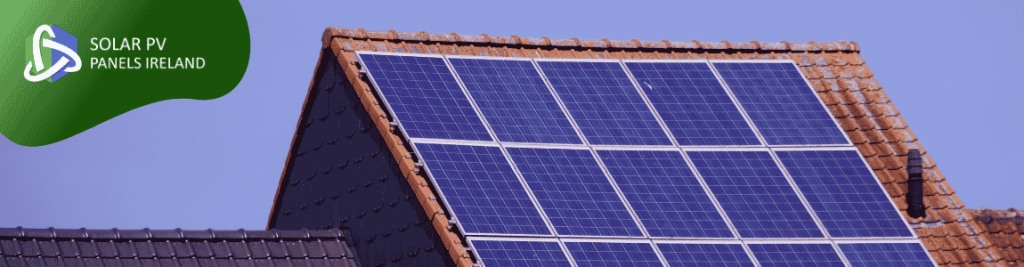
Strip everything back to basics. Solar power is simply taking daylight and converting it into free electricity or hot water for your home. Think of the sun as a giant, free nuclear reactor in space. It constantly pelts the earth with tiny packets of energy called photons. They travel millions of kilometres, hit your roof, and give us a totally inexhaustible, clean source of power.
Unlike burning coal, gas, or oil, which wrecks the environment and relies on volatile global markets, solar power produces absolutely zero carbon emissions when it’s running. It’s easily the fastest-growing clean energy source on the planet right now. Why? Because the sun doesn’t send you a monthly bill.
The Science Behind Photovoltaic (PV) Technology
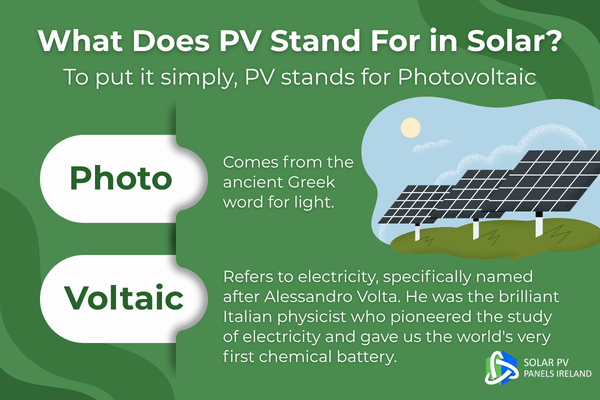
When people talk about putting solar on a house, they usually mean Solar Photovoltaic technology, or Solar PV for short. “Photovoltaic” is just a fancy science word that blends “light” and “electricity.” The magic happens via something discovered way back in the 1800s called the photovoltaic effect.
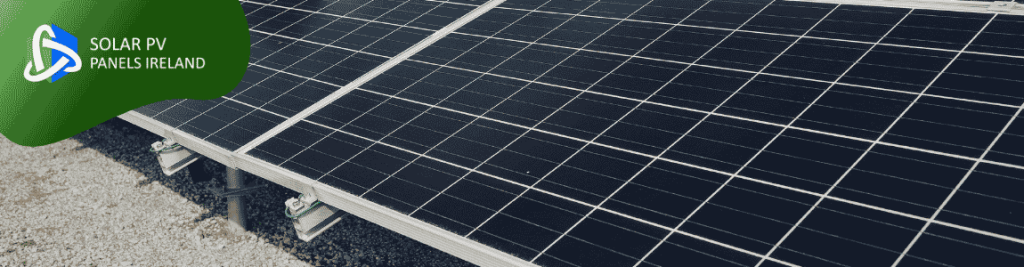
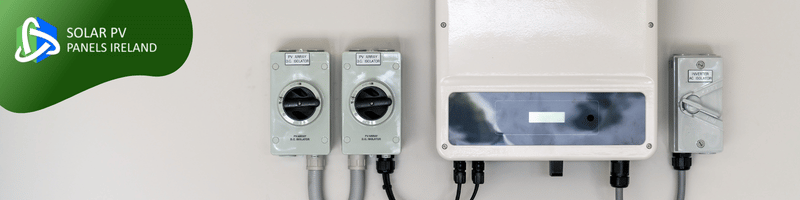
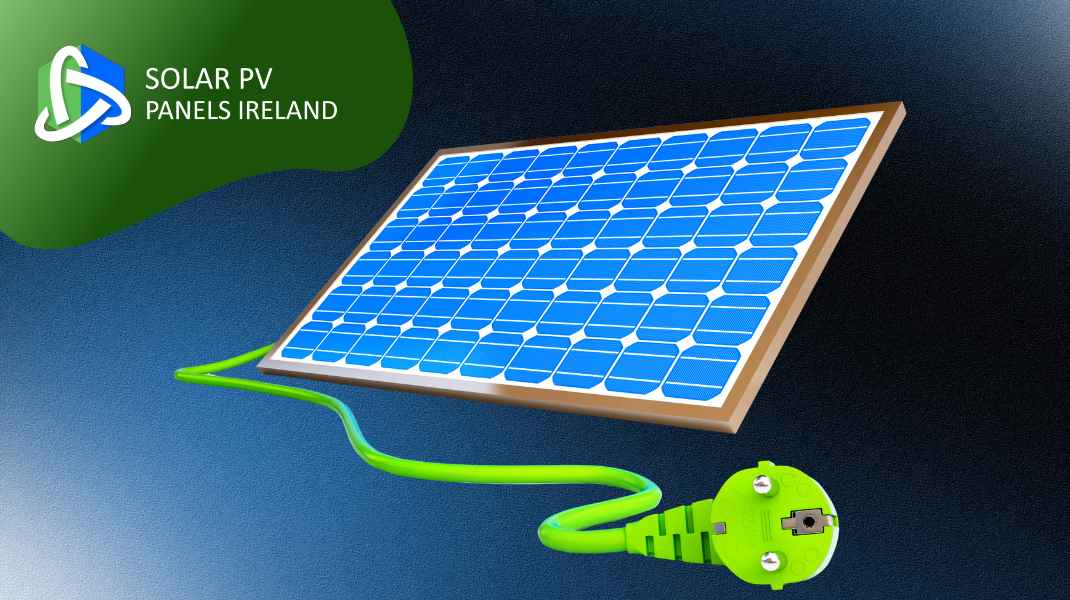
Your panels are made of layers of silicon, which is a clever semi-conducting material. When daylight hits these cells, the silicon absorbs the photons. This agitates the electrons inside the material, knocking them loose and forcing them to stream in a single direction. That flow of electrons is Direct Current (DC) electricity. But wait, your home appliances and the national grid run on Alternating Current (AC). That’s where your inverter comes into play. It takes that raw DC juice from the roof, flips it into AC, and safely pumps it straight into your kettle, washing machine, or TV.
Solar PV Panels vs. Solar Thermal Systems
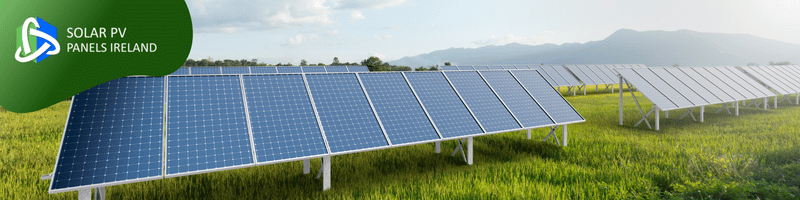
Walk around any Irish estate and you’ll see two types of setups, and people constantly mix them up. It’s vital to know the difference before you spend a single euro.
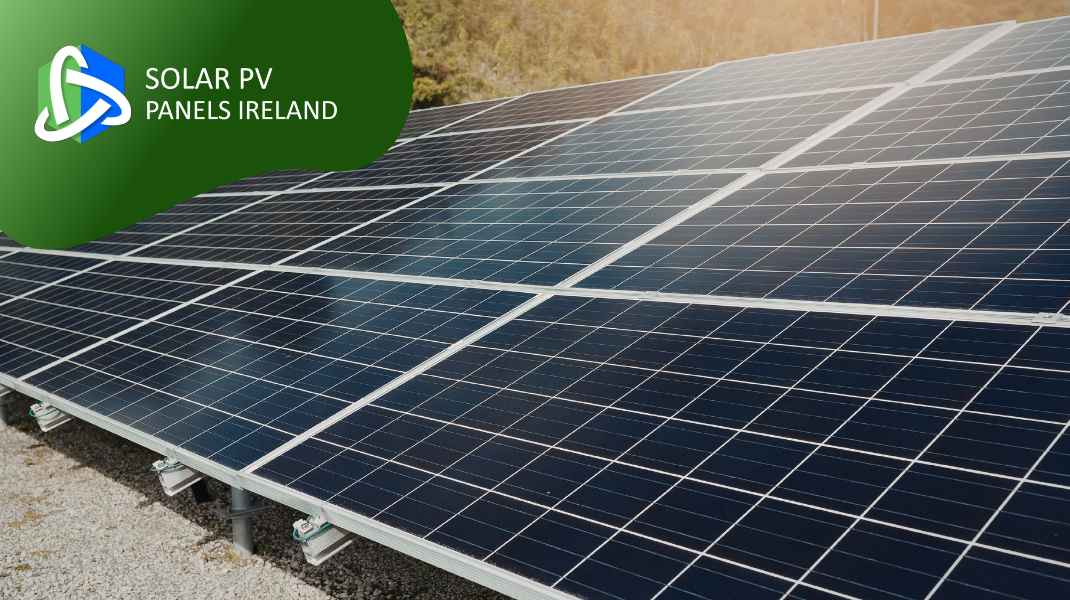
First, you have Solar PV panels. These are the modern gold standard. They take daylight and turn it into pure electricity. You can use this electricity for literally anything, powering your lights, running a heat pump, or charging up an electric car.
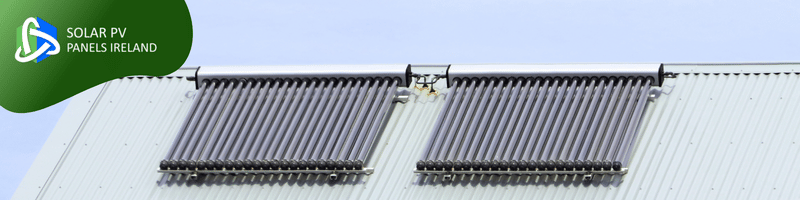
Then you have Solar Thermal panels. These don’t make electricity at all. Instead, they act like a dark hose pipe left out in the sun, absorbing raw heat to warm up the water in your hot water cylinder. Because modern Solar PV electricity is so versatile, and can easily power an immersion heater to give you hot water anyway, almost everyone nowadays goes down the PV route for a much better return on investment.
Separating Myth from Reality: Does Solar Work in Ireland?
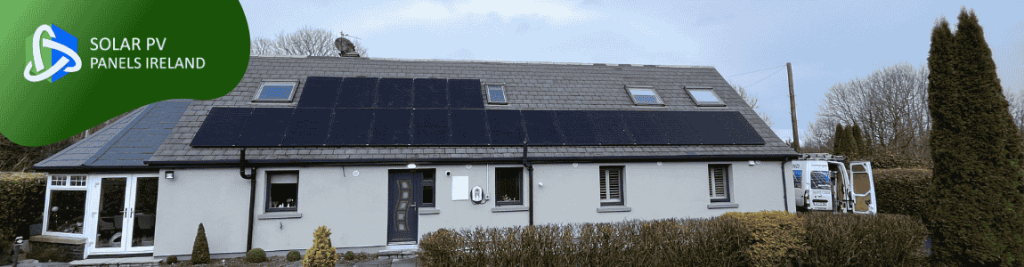
Right, let’s tackle the elephant in the room. “Sure, it rains every day, how could solar work here?” It’s a fair question, but it’s based on a total myth.
Solar panels do not need scorching heat or direct, blinding sunshine to generate power. They run on daylight, plain and simple. In fact, like your smartphone or laptop, solar panels actually run less efficiently when they get overheated in a heatwave. They absolutely love cooler, bright weather.
Yes, your system will absolutely go into overdrive during a gorgeous July afternoon. But even on an overcast, drizzly day, the panels catch diffused light through the clouds and keep ticking over. Ireland actually gets a brilliant amount of daylight annually, on par with Germany, which has been leading the world in solar energy for decades. Will you produce less in December? Of course. But from April to October, you will be absolutely swimming in free energy.
The Financial and Environmental Benefits of Switching
Switching over gives you a brilliant mix of three things: massive savings, a cleaner conscience, and a house that’s worth more on the market.
First, the immediate cash benefit. Every single kilowatt-hour of electricity your panels generate is a kilowatt-hour you don’t buy from your energy provider. Daylight is free, so you’re instantly insulated from the next time global energy prices go haywire.
But what happens if you’re at work and your panels are creating more power than your house needs? You don’t lose it. Thanks to Ireland’s Clean Export Guarantee scheme, you can automatically sell that extra electricity back to the grid. Your energy provider will credit your account or pay you directly. Your roof literally becomes a little cash generator.
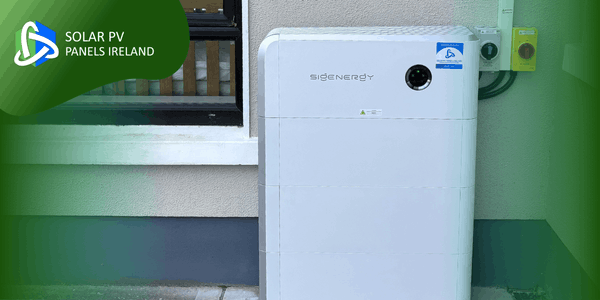
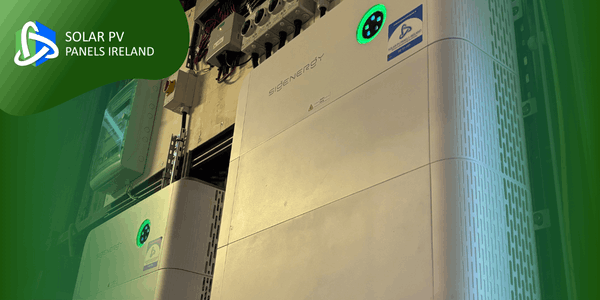
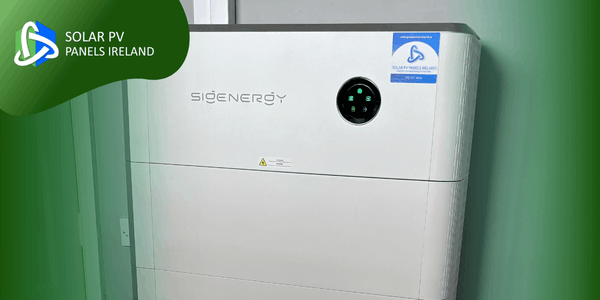
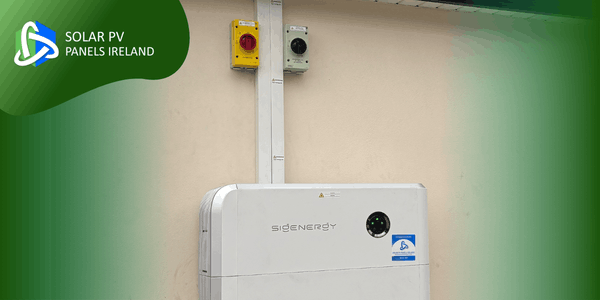
On top of that, you’re doing something massive for the planet. Residential energy is a huge source of carbon emissions in Ireland. A standard domestic solar setup keeps hundreds of kilos of CO2 out of the atmosphere every single year. Plus, if you pair your panels with a home battery storage system, you can save daytime power to use at night, or send it straight into an EV charger to fuel your car for free.
SEAI Grants and Government Incentives Available Now
The state really wants people making this switch, so the incentives on offer right now are incredibly generous. The Sustainable Energy Authority of Ireland (SEAI) provides a hassle-free grant of up to €1,800 to help cover the upfront cost of your solar PV installation. To get it, your house just needs to have been built and occupied before December 31, 2020, and you have to use a registered installer.
Even better, the government cut the VAT on solar panel installations down to a flat 0%. Removing that tax hit makes a massive difference to the total price tag, which means your system pays for itself years faster than it used to.
Why Choose Solar PV Panels Ireland?

Look, solar is a brilliant investment, but you can’t just buy a few generic panels online, stick them on the roof, and hope for the best. Every roof has a different angle, different shading from trees, and every family uses electricity differently. You need a setup designed specifically for your life.
That’s where Solar PV Panels Ireland makes life easy.
As top-tier specialists right here in the Irish market, Solar PV Panels Ireland handles the entire process from start to finish. They don’t do cookie-cutter jobs. Their registered engineering teams look at your property, calculate your exact energy patterns, and design a custom system using high-efficiency panels that thrive in Irish weather.
They also take the headache out of the paperwork, helping you secure the maximum SEAI grant to keep your initial costs down. Whether you just want a simple array of panels, a high-tech battery backup, or an EV charging port on your driveway, they build systems meant to last for 25 to 30 years. Drop by Solar PV Panels Ireland today, book a proper consultation, and see exactly how much cash you could be saving.
Common Questions About Longevity, Payback, and Planning
It’s completely normal to have a few lingering questions before pulling the trigger. For starters, people wonder about maintenance. Because solar PV systems have zero moving parts, they rarely break down or need servicing. They just sit up there and do their job. Most premium brands give you a 25-year performance warranty, so you know they’re built to last.
As for the payback period? When you factor in your reduced monthly bills, the zero-percent VAT, the SEAI grant, and the money you make selling power back to the grid, most Irish systems pay for themselves fully in about 5 to 8 years. After that point, every single watt they generate is pure profit.
You also don’t need to worry about local councils. Ireland recently updated its planning laws, meaning the vast majority of residential homes can install as many solar panels as they want without needing planning permission at all. And don’t panic if your roof doesn’t face perfectly south. While south-facing is ideal, east-and-west-facing systems are fantastic for catching the morning and evening sun right when most busy families are actually at home using electricity.
A Brighter, Cleaner Energy Future
Solar power isn’t some futuristic concept meant for the deserts of California or Spain. It is a proven, highly efficient, state-subsidised reality that works perfectly across Ireland right now.
By getting a handle on how the technology works and grabbing the grants on the table, you can turn your home into its own green utility provider. You’ll slash your carbon footprint, protect yourself from rising costs, and keep your hard-earned money right where it belongs, in your pocket.