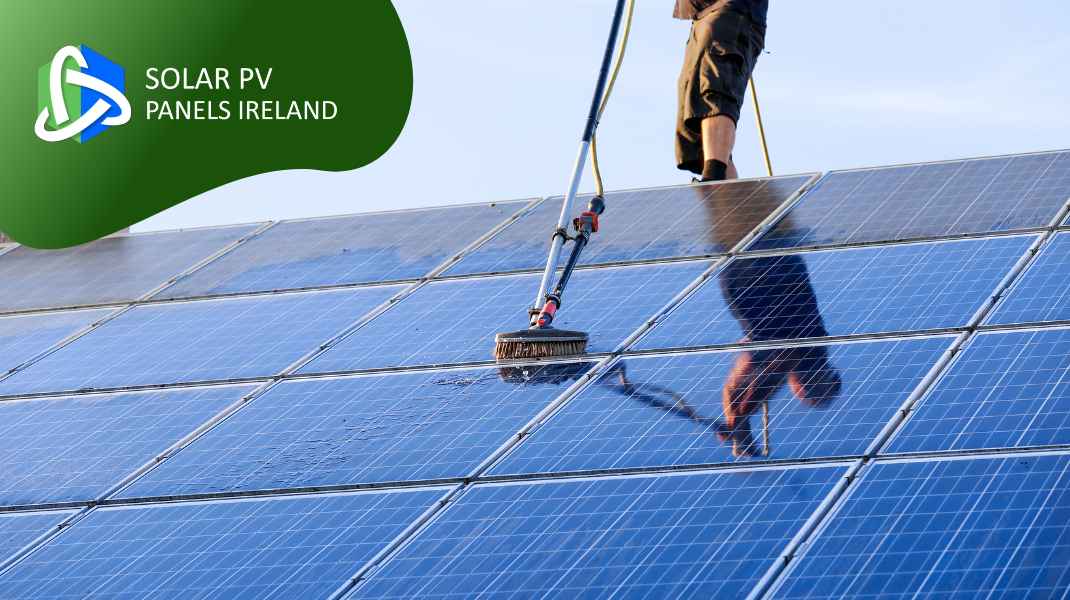
Author: Joe Reilly

  • Can You Sell Electricity Back to the Grid in Ireland?

    Can You Sell Electricity Back to the Grid in Ireland?

    Yes, you can sell electricity back to the grid in Ireland. This practice, known as microgeneration, is a key part of the country’s strategy to increase renewable energy. It is officially supported by the government through the Microgeneration Support Scheme (MSS) and the Clean Export Guarantee (CEG).

    The Rise of Microgeneration in Ireland

    Microgeneration

    Ireland is committed to a greener future. We have a goal of having 70% of our electricity come from renewable sources by 2030. Microgeneration is the process of homes and businesses generating their own electricity from renewable sources like solar PV panels and selling the excess back to the national grid. It is a vital part of this plan.

    For homeowners, this means that your solar panels don’t just power your home during the day but they can also earn you money. Any electricity you generate but don’t use can be exported back to the grid. This helps to power other homes and businesses while providing you with a financial return. This has made solar PV a more attractive and financially viable option for many Irish homes.

    The Clean Export Guarantee (CEG)

    The Clean Export Guarantee (CEG) is a specific payment mechanism that ensures homeowners receive a good and fair price for the electricity they export to the grid. It mandates that electricity suppliers must pay a minimum rate for this exported energy. This provides a stable and predictable revenue stream for microgenerators.

    Different energy suppliers in Ireland offer varying buyback rates. Some offer competitive rates. For example, some rates can be as high as €0.25 per kilowatt-hour (kWh). Others may offer a lower rate. It is crucial for homeowners to shop around and choose an energy supplier that provides the best terms and rates for their exported electricity. This can make a significant difference in the total annual savings and earnings from a solar PV system.

    How to Sell Electricity Back to the Grid

    Sell Electricity Back to the Grid

    Selling electricity back to the grid is a straightforward process. But it does require a few key steps to ensure you are compliant and properly set up to receive payments.

    1. Install a Suitable System: You must have a renewable energy system like solar PV panels. They must meet safety and size standards. Your installer must be a registered professional, like those listed on the Sustainable Energy Authority of Ireland (SEAI) register.
    2. Get a Smart Meter: A smart meter is essential for microgeneration. It accurately measures the electricity you import from the grid and the excess electricity you export to it. This info is used by your energy supplier to calculate your payments. The ESB Networks which operates the national grid, is responsible for installing these meters.
    3. Register with the ESB Network: Your installer will typically handle the process of registering your solar PV system with the ESB Network. This is a crucial step that ensures your system is properly connected to the grid and ready for export.
    4. Choose an Energy Supplier: Select an electricity supplier that offers a competitive Clean Export Guarantee (CEG) tariff. Your supplier will manage the payments for your exported electricity.

    The Financial Benefits of Solar PV and Microgeneration

    The financial case for installing solar PV panels in Ireland is really strong now. The benefits come from two main sources:

    Direct Savings on Your Electricity Bill: By generating your own electricity, you lower the amount of power you need to purchase from the grid. A well-sized solar PV system can reduce a household’s electricity bill by up to 60% annually.

    Earnings from Exported Electricity: The revenue from selling your excess electricity back to the grid provides an additional financial incentive. A typical household with a solar panel system generating 5,500 kWh annually and using half of it could earn around €550 per year from exporting the remaining 2,750 kWh. Combined with the savings on your bill, the total annual financial benefit could exceed €1,150.

    The typical payback period for a solar PV system in Ireland is estimated to be between 5 to 7 years, making it a sound long-term investment.

    The Installation Process and Grant Support

    Installation Process

    The journey to microgeneration begins with the installation of a solar PV system. The process involves several key stages:

    1. Site Assessment and System Design: A qualified installer will assess your home’s roof orientation and energy needs. This will help them design a solar PV system tailored to your specific requirements. They will also provide a detailed quote.
    2. Grant Application: As an SEAI-registered installer, Solar PV Panels Ireland can help you with the grant application process. The Solar Electricity Grant from the SEAI can provide up to €1,800 for eligible homeowners. This significantly reduces the upfront cost of installation.
    3. Installation: The installation itself is typically completed within a few days. Sometimes in one day. It involves mounting the panels on the roof, installing the inverter to convert the solar energy into usable electricity and connecting the system to your home’s electrical supply.
    4. Grid Connection and Commissioning: Your installer will register the system with the ESB Network. They will ensure all necessary paperwork is completed. Once approved, your system can begin generating and exporting electricity.

    Additional Benefits of Going Solar

    Beyond the financial savings, installing solar PV panels in Ireland offers several other advantages:

    • Environmental Impact: By using clean, renewable energy, you significantly reduce your carbon footprint. You contribute to Ireland’s climate action goals.
    • Increased Home Value: Homes with solar PV systems are increasingly attractive to buyers. This can add to your property’s value.
    • Energy Independence: Generating your own power reduces your reliance on external energy suppliers. This protects you from future electricity price increases.
    • Integration with EV Chargers: For homeowners with electric vehicles, a solar PV system can be combined with an EV charger to power your car with clean, free energy. This further maximises your savings and environmental benefits.

    Navigating the Market: Choosing a Supplier and Installer

    joe reilly

    With the growing popularity of solar PV, the market has seen an increase in both installers and energy suppliers offering microgeneration tariffs.

    When choosing an installer, it is crucial to select an SEAI-registered company to ensure you are eligible for the grants. You also want to make sure that the installation meets the highest quality and safety standards. An experienced installer will guide you through the entire process. fThis starts with the grant application all the way to final commissioning.

    When choosing an energy supplier, compare the Clean Export Guarantee (CEG) rates they offer. Some suppliers might provide a higher rate for a fixed period. Some others might offer a more stable, long-term rate. Read the terms and conditions carefully to understand how and when you will be paid for your exported electricity.

    Common Questions About Selling Electricity Back to the Grid

    What is the difference between a feed-in tariff and the Clean Export Guarantee? The Clean Export Guarantee (CEG) is a specific payment under the Microgeneration Support Scheme (MSS) that replaced the older, less formalised feed-in tariffs. While the term “feed-in tariff” is sometimes still used, the CEG is the official and regulated mechanism for paying for exported electricity in Ireland.

    How is the amount of exported electricity measured? Your smart meter accurately measures both the electricity you import from the grid and the electricity you export to it. The readings from the smart meter are sent to your energy supplier. They then use this data to calculate your payments for exported energy and your bill for imported energy.

    Can I still get a solar grant if I plan to sell electricity back to the grid? Yes. The SEAI Solar Electricity Grant is designed to encourage solar PV installation. It is fully compatible with the Microgeneration Support Scheme. In fact, most systems installed with the grant are intended to be eligible for the CEG.

    Is it worth it to sell electricity back to the grid? Absolutely. The ability to earn money from your excess electricity and the significant savings on your energy bills, makes solar PV a really rewarding financial and environmental investment. It speeds up the payback period of your system and gives a long-term return.

    A Bright Future for Solar in Ireland

    The introduction of the Microgeneration Support Scheme and the Clean Export Guarantee has transformed the solar energy landscape in Ireland. It has made going solar a viable and financially attractive option for homeowners. It is paving the way for a more decentralised, sustainable,and renewable energy system.

    By installing solar PV panels, you are not only taking control of your energy costs and reducing your carbon footprint but also actively contributing to Ireland’s clean energy goals. With good grants, competitive buyback rates and experienced installers, there has never been a better time to invest in solar PV.

    For more information on solar PV panels and to get a quote for your home, contact Solar PV Panels Ireland today.

  • Tips For Solar Panel Maintenance in Ireland

    Tips For Solar Panel Maintenance in Ireland

    In the ever-evolving landscape of renewable energy, solar PV panels have emerged as a practical solution for homeowners and businesses across Ireland. As a nation increasingly committed to a sustainable future, more people are embracing solar technology to reduce their carbon footprint and save on energy bills. But like any valuable asset, a solar PV system requires proper care and attention. To ensure it operates at peak efficiency for its full lifespan. This guide by Solar PV Panels Ireland, provides essential tips for solar panel maintenance. We want to help you protect your investment and maximise your energy savings.

    Why Solar Panel Maintenance is Crucial in the Irish Climate
    solar panels

    Ireland’s climate, with its unique blend of rain, wind, and varying sunlight, presents specific challenges and considerations for solar panels. Even though solar panels are incredibly durable and designed to withstand harsh weather, they are not entirely maintenance-free. Dirt, dust, pollen, bird droppings and even salt from coastal air can accumulate on the panels. This creates a film that reduces their ability to absorb sunlight. This can lead to a significant drop in energy output. And can directly impacting your return on investment.

    A proactive approach to maintenance is not just about cleaning. It’s about a holistic strategy that ensures every component of your system is functioning as good as it can. Regular upkeep can prevent small issues from becoming costly repairs. Most importantly, it guarantees that you are generating the maximum amount of energy.

    The DIY Approach: Simple Maintenance You Can Do Yourself
    cleaning your panels

    While professional servicing is recommended, there are several simple maintenance tasks you can perform yourself to keep your solar panels in decent condition. These visual checks and cleaning routines are key to year-round care.

    1. Visual Inspections: The First Line of Defence

    Before you even think about cleaning, a thorough visual inspection is a must. It is advised to inspect your panels at least twice a year. Maybe  in the spring and autumn. From a safe distance on the ground, look for any visible signs of damage, such as:

    • Cracks or chips in the glass panels.
    • Discolouration or “snail trails” on the surface.
    • Loose or damaged mounting frames and connections.
    • Signs of pest infestation. Such as birds or squirrels nesting under the panels.

    If you spot any significant damage you should contact a professional immediately. Attempting to fix damaged panels yourself can be dangerous and may void your warranty.

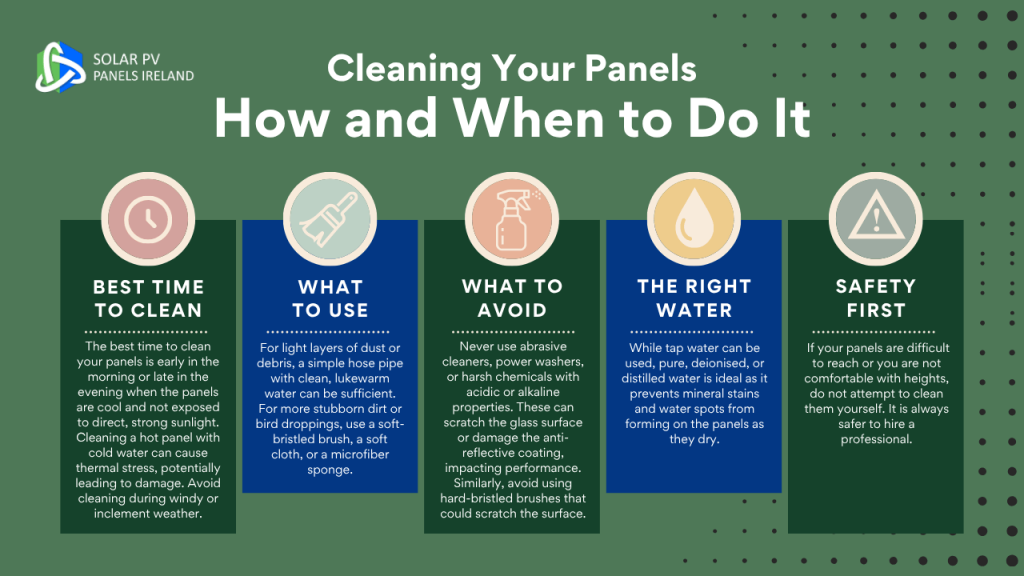
    2. Cleaning Your Panels: How and When to Do It

    Cleaning your panels is perhaps the most important DIY maintenance task. The goal is to remove any debris that could be blocking sunlight. Here’s how to do it safely and effectively:

    Best Time to Clean: The best time to clean your panels is early in the morning or late in the evening. This is when the panels are cool and not exposed to direct, strong sunlight. Cleaning a hot panel with cold water can cause thermal stress. This potentially leading to damage. Avoid cleaning during windy or dodgey weather.

    What to Use: For light layers of dust or debris, a simple hose pipe with clean, lukewarm water can be good enough. For more stubborn dirt or bird droppings, use a soft-bristled brush. Or a soft cloth/ microfiber sponge.

    What to Avoid: Never use abrasive cleaners, power washers, or harsh chemicals with acidic or alkaline properties. These can scratch the glass surface or damage the anti-reflective coating. this would severely impact performance. Similarly, don’t use hard-bristled brushes that could scratch the surface.

    The Right Water: Tap water can be used. But pure, deionised, or distilled water is ideal as it prevents mineral stains and water spots from forming on the panels when they dry.

    Safety First: If your panels are difficult to reach or you are not comfortable with heights, don’t attempt to clean them yourself. It is always safer to hire a professional.

    3. Monitoring Your System’s Performance

    Most modern solar PV systems come with a monitoring app or a display that allows you to track their energy output. Make it a habit to check this system regularly. A sudden or gradual drop in performance could indicate an underlying issue. This could be a faulty connection, a problem with the inverter, or a build-up of dirt. Early detection of such issues can save you significant time and money.

    The Role of Professional Servicing
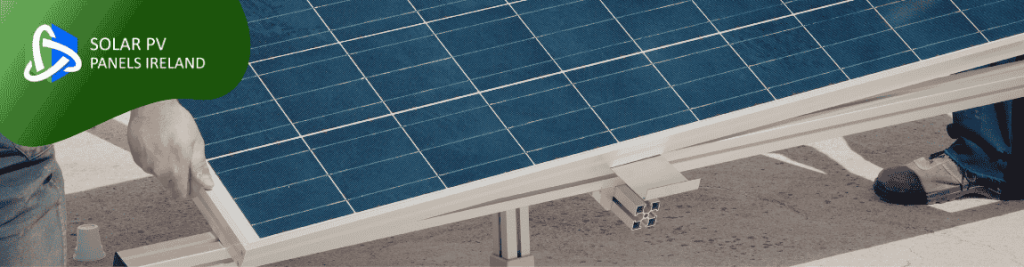
    Professional Servicing

    While DIY maintenance is helpful, it is no substitute for a professional service. A certified solar technician has the tools and expertise to perform a deep-dive inspection of your entire system.

    1. Why You Need Professional Servicing

    • In-Depth Diagnostics: A professional service goes beyond a visual check. Technicians use special equipment to test the performance of individual panels. Also the inverter and all the electrical components.
    • Electrical Connections: They will check all wiring and connections for any signs of corrosion, loose fittings, or damage. Loose connections can lead to power loss. In rare cases, they can even pose a fire risk.
    • Inverter Health: The inverter is the heart of your solar PV system. It converts DC power from the panels into usable AC power for your home. Professionals can assess the health of the inverter and ensure it is working efficiently. Inverters typically have a lifespan of 10-15 years. They will eventually need to be replaced.
    • Mounting and Structural Integrity: A professional will inspect the integrity of the mounting system and the racking. This will ensure the panels are securely fastened to your roof and can withstand strong winds.

    2. How Often Should You Get a Professional Service?

    It is generally recommended to schedule a professional service every 3 to 5 years. This can vary based on the specific recommendations of your installer and the condition of your system. If you notice a significant drop in performance or suspect an issue, don’t wait for your scheduled service. Contact a professional immediately.

    The Solar PV Panels Ireland Maintenance and Service Offering

    joe reilly

    At Solar PV Panels Ireland, we believe that our relationship with our customers doesn’t end with the installation. We are committed to ensuring your solar PV system delivers maximum performance and savings for its entire lifespan. 

    That’s why we also provide comprehensive solar panel servicing. Our team of certified and experienced technicians can perform all the necessary checks and maintenance tasks. From good cleaning to detailed system diagnostics. We offer tailored service plans to suit your needs. This gives you peace of mind that your investment is in safe hands.

    We understand the unique challenges of the Irish climate and have the expertise to address them. Solar PV Panels Ireland is your trusted partner for all your solar needs. Whether you need a one-off service or a regular maintenance plan.

    Contact us today to learn more about our servicing options. Or book your professional maintenance check. By combining your proactive DIY care with our expert professional service, you can ensure your solar panels continues to save you money for a long time to come. 
  • Are Solar Batteries Worth the Investment for Your Home?

    Are Solar Batteries Worth the Investment for Your Home?

    The Ultimate Guide to Solar Batteries

    In an era of rising energy costs and growing environmental consciousness, more and more Irish homeowners are turning to solar photovoltaic (PV) panels to power their homes. Solar panels are a fantastic investment, converting Ireland’s daylight into clean, renewable electricity. But what happens to all that energy when the sun goes down or when your panels are generating more power than your home can use? This is where a solar battery becomes a game-changer.

    A solar battery storage system is a sophisticated piece of technology designed to capture and store excess solar energy. Instead of exporting your surplus electricity back to the grid for a minimal credit, you can save it for later use. For an Irish household, where energy consumption often peaks in the evening when we’re cooking, watching TV, and running appliances, a solar battery can significantly increase your self-sufficiency and reduce your reliance on the grid.

    This comprehensive guide will walk you through everything you need to know about solar batteries in Ireland, from how they work and their key benefits to the specific models available from Solar PV Panels Ireland and a detailed breakdown of whether the investment is truly worth it for you.

    How Solar Batteries Work and Why They are Essential for Irish Homes

    Solar panels generate direct current (DC) electricity from sunlight. This DC electricity is then fed into a solar inverter, which converts it into alternating current (AC) electricity that your home’s appliances can use.

    When you have a solar battery, the system becomes more intelligent. During the day, if your panels are producing more electricity than your home is consuming, the excess DC power is automatically diverted to your battery for storage. When the sun sets or on a particularly cloudy day, your home will then draw power from the battery instead of importing expensive electricity from the national grid.

    This seamless process allows you to maximise your self-consumption of the clean energy you generate. Without a battery, a typical Irish home might only use 30-40% of the solar energy it produces, with the rest being exported. By adding a battery, you can increase this self-consumption rate to 70-80% or even higher.

    The benefits of a solar battery for an Irish home are numerous and highly relevant to our climate and energy habits:

    • Maximise Your Savings: The primary financial benefit of a solar battery is the significant reduction in your electricity bills. By using your own free, stored solar power during peak evening hours, you avoid buying expensive electricity from the grid. While you can earn a Clean Export Guarantee (CEG) tariff for exporting power, the rate you receive is often lower than what you pay for grid electricity, making self-consumption the most cost-effective option.
    • Energy Independence and Grid Resilience: Having a solar battery gives you greater control over your energy supply. You become less vulnerable to fluctuations in grid electricity prices and potential power outages. In the event of a blackout, a well-designed solar battery system can provide backup power to keep essential appliances, such as your fridge, lights, and Wi-Fi, running.
    • Harnessing Low-Cost Energy: With a smart meter and a time-of-use tariff, you can program your battery to charge from the grid during off-peak, low-cost periods (like overnight) and then use that stored energy during the more expensive daytime or evening peak hours. This clever feature allows you to buy electricity when it’s cheapest and use it when it’s most expensive, further enhancing your savings.

    A Closer Look at the Solar Batteries from Solar PV Panels Ireland

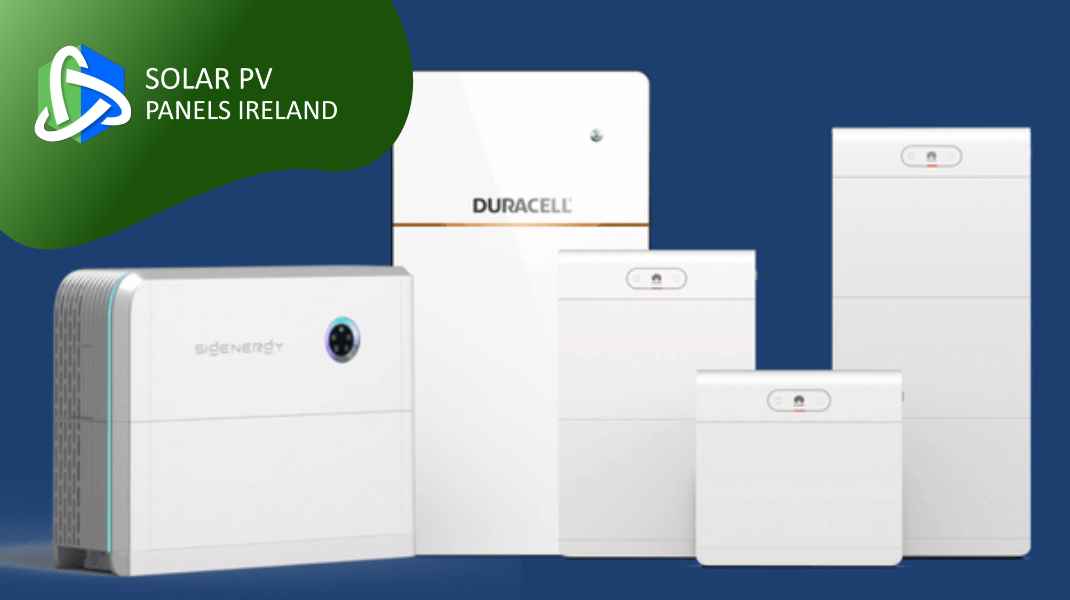
    At Solar PV Panels Ireland, we understand that every home is unique. That’s why we offer a range of high-quality solar batteries designed to meet the diverse needs of Irish homeowners. Our selection includes industry-leading brands known for their reliability, performance, and advanced technology.

    1. Huawei LUNA Smart String Battery

    The Huawei LUNA is a modular, high-voltage battery system that offers exceptional flexibility and performance. It consists of a Power Module and can be expanded with 1 to 3 Battery Modules, allowing you to tailor the capacity to your specific energy needs. This scalability means you can start with a smaller system and add more storage later as your energy requirements evolve. The Huawei LUNA is widely regarded as one of the best on the market, built to withstand the harsh Irish climate. It has an impressive IP66 rating, meaning it is protected against powerful jets of water and dust, and can operate and even charge in temperatures as low as -25°C.

    1. Sigenergy Solar Battery System

    Sigenergy offers state-of-the-art battery systems that are packed with intelligence and safety features. The Sigenergy system is also IP66 rated, ensuring it is robust enough for outdoor installation. A standout feature is the inclusion of heating pads, which ensure optimal performance in low temperatures. Sigenergy also integrates advanced AI features that learn your household’s energy usage patterns. This allows the system to intelligently manage charging and discharging cycles to maximise efficiency and savings. For added peace of mind, it comes with a self-extinguishing fire suppression system.

    1. Duracell Dura 5+ Solar Battery

    For those looking for a reliable, low-voltage solution, the Duracell Dura 5+ is an excellent choice. It’s a popular option for pairing with Solis inverters and is known for its dependable performance. Like the other models we sell, it holds an IP66 rating, making it a safe and durable choice for your home. The Duracell Dura 5+ is offered in 5kWh modules, providing a solid foundation for most household energy storage needs.

    Are Solar Batteries Worth the Investment? A Financial Breakdown

    This is the big question for many homeowners. While the benefits are clear, the initial investment can be a consideration. As of now, there is no specific SEAI grant for solar batteries alone. However, the government’s removal of VAT on solar PV installations (as of May 2023) has made the entire system, including the battery, a more affordable proposition.

    The cost of a solar battery system typically ranges from €1,700 to €3,000 for a 5kWh battery, with larger systems costing more. This is an additional cost on top of the solar panel installation, which can range from €6,000 to €8,700 for a typical home after the SEAI grant.

    So, how do you determine if the investment is worth it for you?

    Factors to Consider:

    • Your Energy Usage Patterns: A battery is most beneficial for homeowners who are not at home during the day and consume most of their electricity in the evening. If you are home during the day and can shift your electricity usage to align with solar production (e.g., running the washing machine, dishwasher, or tumble dryer while the sun is shining), a battery may be less critical. However, a battery provides maximum flexibility.
    • Payback Period and ROI: The payback period for a solar system with a battery is generally slightly longer than a system without one, but the long-term savings are often greater. While a solar PV system alone might have a payback period of 5-7 years, adding a battery can extend this. However, it significantly increases your annual savings by reducing your reliance on expensive evening grid power. A well-sized system can save you hundreds of euros per year on your electricity bills, making the battery a sound long-term investment.
    • Energy Independence and Environmental Goals: For many, the decision goes beyond a simple financial calculation. The desire for energy independence, peace of mind during power outages, and a commitment to reducing their carbon footprint are significant drivers. Solar batteries are a key part of creating a truly sustainable and self-sufficient home.

    Sizing Your Solar Battery System

    Choosing the right size battery is crucial for maximising its value. The capacity is measured in kilowatt-hours (kWh). A typical Irish household uses around 11.5 kWh per day.

    • For most homes: A 5-7 kWh battery is a great starting point, as it can usually cover a significant portion of your evening and overnight energy usage.
    • For larger homes or high-energy users: If you have an electric vehicle, a heat pump, or a particularly high electricity demand, a 10 kWh battery or a modular system like the Huawei LUNA that can be expanded is likely a better fit.

    It’s important to consult with a professional installer like Solar PV Panels Ireland to assess your specific energy habits and recommend the right size and type of battery for your home.

    A Smart Step Towards a Smarter Home

    The question “Are solar batteries worth the investment for your Irish home?” has a resounding answer for most: Yes. While it represents an additional upfront cost, a solar battery system is a strategic investment in your home’s long-term energy security and financial well-being. It transforms your solar PV system from a daytime-only asset into a powerful, round-the-clock energy solution.

    By storing your own free, clean electricity, you gain freedom from volatile energy prices, a reliable source of backup power, and the satisfaction of knowing you’re making a significant contribution to a greener future. With the right system, such as the advanced options from Huawei, Sigenergy, and Duracell, you can take control of your energy, significantly reduce your bills, and future-proof your home for decades to come.
  • 2026 Guide To Solar Panel Grants in Ireland

    2026 Guide To Solar Panel Grants in Ireland

    Let’s be honest, the main reason any of us in Ireland look into solar panels is to slow down those slowly increasing electricity bills. But the upfront cost can be a bit of a shock to the system at first.

    That’s where the SEAI grant comes in. In 2026, it’s still the biggest helping hand for homeowners, but the rules are very specific. If you’re looking to shave up to €1,800 off your installation with Solar PV Panels Ireland, this article will tell you everything you need to know.

    What is the actual cash value?

    The SEAI unfortunately doesn’t just hand over a flat cheque. They pay you based on the “Kilowatt Peak” (kWp) or basically the size of your solar panel system.

    System SizeSEAI Grant ValueTypical Home Type
    2kWp€1,400Small terraced / 2-bed
    3kWp€1,600Standard semi-detached
    4kWp or more€1,800 (Capped)3-4 Bed family home

    At Solar PV Panels Ireland, we usually recommend aiming for the 4kWp mark. It hits the maximum grant and generally covers the daytime needs of a busy Irish household.

    The Secret to a Smooth Application

    solar panel grants

    One of the biggest headaches people face is the final sign-off. You can’t get your grant money until a qualified assessor proves your home’s energy rating has actually improved.

    This is why we don’t just fit your panels and forget. We partner with Greenwise Energy, who are independent, SEAI-registered BER assessors. Once our team at Solar PV Panels Ireland finishes the installation, the Greenwise team steps in to handle the technical survey.

    It means you aren’t left hunting for an assessor on your own; we ensure the person checking the work knows exactly what they’re looking at, which speeds up your payment from the SEAI.

    The Selling Back Bonus

    The grant is great for the upfront cost, but the real magic in 2026 is the Clean Export Guarantee (CEG).

    Since your panels will likely produce more power than you use on a sunny Tuesday afternoon, you can sell that excess energy back to the grid. Some providers are paying up to 25c per unit now. Between the grant and these export payments, most of our customers see their system pay for itself in about 5 to 6 years.

    Common Mistakes We See Homeowners Make

    solar panel grants

    After years of doing this, we’ve seen where people trip up:

    Wrong MPRN: This is the 11-digit number on your bill. If the address on your bill doesn’t match your Eircode exactly, the SEAI system might kick the application back.

    Ignoring the Fuse Board: Some older houses need a small electrical upgrade before they can take solar. We check this during our initial survey so there are no surprises.

    Thinking the Grant covers Batteries: It doesn’t. The grant is purely for the PV panels. However, we often find that with the current 0% VAT rate, adding a battery still makes massive financial sense for people who work 9-to-5.

    If you only do 3 things today…

    1. Check your house age: If it was built in 2022 or later, the grant isn’t an option, but the 0% VAT still is!
    2. Find your MPRN: It’s usually at the top right of your electricity bill.
    3. Book a Survey: We’ll come out, look at your roof and give you a proper quote. No guesswork. Click here to get in touch.

    An Example of How It Works

    The O’Sullivans have a 4.2kWp system installed by Solar PV Panels Ireland.

    • Total Quote: €8,900
    • SEAI Grant: -€1,800
    • Net Investment: €7,100
    • Post-Install Check: Greenwise Energy complete the BER, moving the house from a D1 to a B2.
    • The Result: Their monthly bill drops by €95 and they’re on track to have the system fully paid off by 2031.

    FAQs from Irish Homeowners

    Does the grant come off the price I pay you?

    Usually, you pay the installer and the SEAI pays you back. However, we try to make the paperwork as light as possible by handling the portal uploads for you.

    What if I sell the house?

    The panels (and that new BER cert from Greenwise) stay with the house. It’s a massive selling point and usually adds more to the house value than the cost of the system itself.

    Do I need a smart meter?

    To get the grant? No. To get paid for selling electricity back to the grid? Yes. ESB Networks are rolling these out for free, so it’s worth getting on the list. Read more about smart meters.

    Glossary for Beginners

    • PV (Photovoltaic): The tech that turns light into electricity.
    • Inverter: The box we put in your attic or garage that makes the solar power “usable” for your appliances.
    • BER (Building Energy Rating): The grade your house gets for efficiency. This is where Greenwise Energy comes in.
    • Self-Consumption: Using your own solar power instead of buying it from the grid. This is the goal!

    Why Choose Solar PV Panels Ireland?

    solar panel grants

    We are local installers who live and work in the same weather you do. We know which panels handle the Irish rain and which inverters are built to last. By combining our technical expertise with the independent verification of Greenwise Energy, we provide a fully comprehensive service that takes the stress out of the SEAI grant.

    Ready to see what your roof can do? Get a Free Quote from Solar PV Panels Ireland Today.

  • Do Solar Panels Work on Cloudy Days in Ireland?

    Do Solar Panels Work on Cloudy Days in Ireland?

    It’s one of the most common questions we hear at Solar Pv Panels Ireland: “Do solar panels actually work in Ireland, with all the cloud and rain?” The short answer is a resounding yes. While it’s a perfectly logical question to ask, the reality of solar technology in our climate might surprise you. Solar panels are not reliant solely on bright, direct sunlight to generate electricity. In fact, they are highly effective at capturing another type of light that is abundant in Ireland: diffuse light.

    This article will delve into the science behind why solar panels are a smart and viable investment for Irish homes, regardless of the weather forecast. We’ll explore how they work on overcast days, the surprising benefits of our mild climate, and provide real-world evidence that proves solar power is a powerful solution for a sustainable future in Ireland.

    The Science Behind the Sun: Diffuse vs. Direct Light

    diffuse and direct sunlight

    To understand how solar panels thrive in our climate, we first need to break down the science of how they convert light into energy. Solar panels, also known as photovoltaic (PV) panels, are made up of solar cells that contain semiconductor materials, typically silicon. When sunlight hits these cells, it excites the electrons, causing them to flow and generate a direct current (DC) of electricity.

    There are two primary types of sunlight that reach the Earth’s surface:

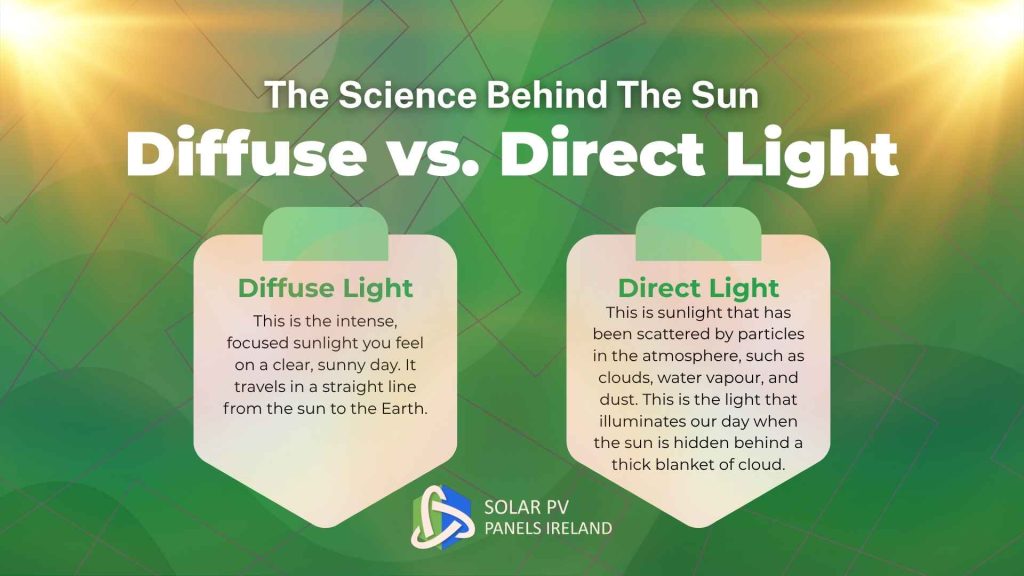
    • Direct Light:This is the intense, focused sunlight you feel on a clear, sunny day. It travels in a straight line from the sun to the Earth.
    • Diffuse Light:This is sunlight that has been scattered by particles in the atmosphere, such as clouds, water vapour, and dust. This is the light that illuminates our day when the sun is hidden behind a thick blanket of cloud.

    Here’s the crucial part: modern solar panels are designed to absorb both. While they are most efficient under direct sunlight, they are still very effective at absorbing and converting diffuse light into usable energy. Think of it like a cloudy day at the beach – you can still get a sunburn because ultraviolet (UV) light is getting through the clouds. Similarly, the energy-carrying photons in sunlight are still reaching your solar panels, ready to be converted. This ability to absorb scattered light is the key reason why solar panels are so well-suited for a country known for its frequent overcast conditions.

    Ireland’s Climate: A Hidden Advantage for Solar Panels

    When people think of the ideal climate for solar power, they often picture a hot, sunny desert. However, this is another common misconception. While sunshine is a key ingredient, excessive heat can actually be detrimental to the performance and longevity of solar panels.

    Solar panels are most efficient at converting sunlight to electricity when they are cool. As their temperature rises, their efficiency slightly decreases. The relatively mild, temperate climate of Ireland, with average temperatures rarely soaring above 20°C, is a significant advantage. It allows the solar panels to operate at or near their optimal efficiency throughout the year, preventing the power losses associated with extreme heat.

    Furthermore, our frequent rainfall is a secret superpower for solar panel maintenance. Rain acts as a natural cleaning agent, washing away dust, dirt, pollen, and other debris that can accumulate on the surface of the panels. A clean panel can absorb more sunlight and, therefore, generate more electricity. This reduces the need for manual cleaning and helps ensure your system is performing at its peak.

    The Reality of Performance: How Much Energy is Generated on Cloudy Days?

    So, how much energy can you really expect to generate when the clouds roll in? It’s true that a very thick, dark cloud cover will reduce output compared to a perfectly clear day. However, it’s a significant drop, not a complete loss. On a typical overcast day in Ireland, your solar panels can still generate anywhere from 10% to 50% of the power they would produce on a sunny day.

    This is where the financial and environmental benefits really add up. Even on a gloomy day, your solar panels are still working to offset your electricity consumption and reduce your reliance on the grid. Over the course of a year, the consistent, albeit lower, output on cloudy days contributes a substantial amount to your total energy generation.

    With the addition of a solar battery storage system, this becomes even more impactful. The energy generated on a cloudy day can be stored in the battery and used later in the evening or on a day with less sunlight. This combination of a solar PV system and a battery allows you to maximise self-consumption and achieve greater energy independence.

    Real-World Proof: Solar Power in Action Across Ireland

    You don’t have to take our word for it; the proof is in the numbers and the rapidly growing adoption of solar technology across the country. According to recent data, over 60,000 homes in Ireland have now installed solar panels. This widespread use is a testament to their effectiveness and a clear sign that homeowners are seeing tangible benefits, from reduced electricity bills to a smaller carbon footprint.

    Government incentives and grants have also made solar panel installation more accessible than ever before, encouraging more Irish families to make the switch. These grants reflect the government’s commitment to renewable energy and acknowledge the vital role solar power will play in Ireland’s journey towards a more sustainable future. The success of solar power in Ireland is not a futuristic dream; it is a present-day reality, with countless homes generating their own clean, green energy every single day.

    Embracing the Future of Solar in Ireland

    The next time you see a cloud in the sky, you can be confident that your solar panels are hard at work, silently generating clean electricity. The idea that solar panels are ineffective in a country like Ireland is a misconception that has been decisively debunked by science and real-world results. With our mild temperatures and frequent rainfall, Ireland is actually a surprisingly great place to harness the power of the sun.

    Ready to take control of your energy bills and embrace a more sustainable lifestyle? Contact Solar Pv Panels Ireland today to learn how a tailored solar PV system can work for your home, no matter what the weather.

  • What is a Solar Inverter? The Ultimate Guide to Inverters

    What is a Solar Inverter? The Ultimate Guide to Inverters

    Solar energy is a powerful and increasingly popular way for Irish homeowners to reduce their electricity bills, decrease their carbon footprint, and gain energy independence. While the sight of sleek solar panels on a rooftop is the most visible sign of a solar PV (photovoltaic) system, there’s a vital, often-unseen component that makes the entire system work: the solar inverter. Think of the inverter as the brain of your solar PV system. Without it, the energy generated by your panels would be completely useless to your home.

    This ultimate guide will take you on a deep dive into the world of solar inverters. We’ll explain what they are, how they work, the different types available, and why choosing the right one for your home is just as important as selecting the right panels. Whether you’re a homeowner just starting to research solar or a seasoned professional looking to refresh your knowledge, this guide will provide you with all the essential information you need to make an informed decision.

    What is a Solar Inverter and Why Do I Need One?

    solar inverter

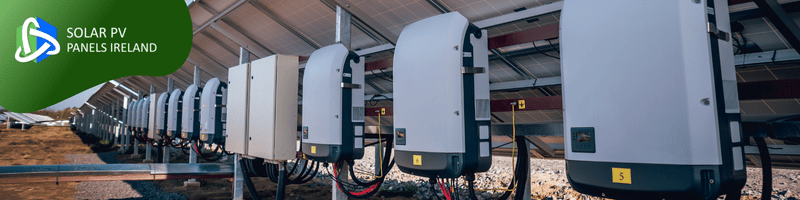
    At its core, a solar inverter is a power converter. Solar panels generate electricity in the form of Direct Current (DC). This is the same type of power used in batteries. However, the electrical appliances in your home, from your kettle to your television and the national electrical grid run on Alternating Current (AC). The primary function of the solar inverter is to convert the DC power from your panels into usable AC power for your home.

    This conversion process is critical. Without an inverter, the DC power from your panels cannot be used to run your lights or charge your laptop. But the inverter does far more than just convert power. It is a sophisticated device that also acts as a performance monitor, a safety feature, and a smart energy manager. Most modern inverters come with internet connectivity and a user-friendly smartphone app, allowing you to monitor your system’s performance in real time, check on your energy production, and detect any potential faults.


    The Different Types of Solar Inverters

    solar inverter

    Not all inverters are created equal. The type you choose will depend on a number of factors, including your roof’s layout, potential shading issues, your budget, and whether you plan to add a battery storage system. There are three main types of inverters to consider:

    1. String Inverters

    What they are: String inverters are the most common and traditional type of solar inverter. They are the go-to choice for the majority of residential and commercial solar installations in Ireland. In a string inverter system, solar panels are connected together in a “series,” like beads on a string, and all the power from that series of panels flows to a single central inverter. A solar PV system can have one or more strings, each connected to its own input on the inverter.

    Pros:

    • Cost-Effective: String inverters are generally the most affordable option.
    • Simple to Install: The installation process is straightforward and well-understood by most solar installers.
    • High Efficiency: Modern string inverters boast very high efficiency ratings, converting a significant percentage of the DC power into usable AC power.

    Cons:

    • Performance Varies with Shading: This is the biggest drawback. If a single panel in a string is shaded, dirty, or underperforming for any reason, it can reduce the output of all the other panels in that same string. This is known as the “Christmas light effect.”
    • System-Wide Single Point of Failure: If the string inverter fails, your entire solar PV system will stop producing electricity.

    2. Microinverters

    What they are: Microinverters represent a different approach to solar energy conversion. Instead of a single central inverter, a small microinverter is installed directly underneath each individual solar panel. Each microinverter converts the DC power from its specific panel into AC power right there on the roof. The converted AC power is then sent down to the home’s electrical panel.

    Pros:

    • Excellent for Shading: This is their biggest advantage. Since each panel operates independently, a shaded or underperforming panel will not affect the output of the other panels in the system. This makes them ideal for complex roof layouts or homes with chronic shading issues.
    • Panel-Level Monitoring: Microinverter systems allow you to monitor the performance of each individual panel, making it easy to spot and diagnose issues.
    • Increased Redundancy: If one microinverter fails, only that single panel will stop producing power. The rest of your system will continue to operate normally.
    • Longer Lifespan: Microinverters are designed to be more durable and often come with a longer warranty than string inverters, typically lasting 20-25 years.

    Cons:

    • Higher Upfront Cost: Microinverter systems are significantly more expensive to purchase and install than string inverter systems due to the need for one inverter per panel.
    • More Complex Installation: The installation process is more labour-intensive, as each panel requires its own inverter.

    3. Hybrid Inverters

    What they are: Also known as battery-ready or multi-mode inverters, hybrid inverters are a modern and increasingly popular choice. They function as a regular solar inverter, converting DC to AC, but they have the added capability of managing a battery storage system. This allows you to store excess solar energy generated during the day for use at night or on cloudy days.

    Pros:

    • Battery Integration: This is the key feature. A hybrid inverter makes it easy to add a battery to your system, either at the time of installation or in the future.
    • Energy Independence: By storing your own solar energy, you can reduce your reliance on the electrical grid and protect yourself from rising energy costs.
    • Power Outage Protection: Some hybrid inverters can provide backup power to essential circuits in your home during a grid power outage.

    Cons:

    • More Expensive: Hybrid inverters are more costly than standard string inverters.
    • Complex Wiring: The installation can be more complex due to the battery integration.

    Key Features to Look for in a Solar Inverter

    solar inverter

    Choosing the right inverter goes beyond just the type. Here are some critical features and specifications to consider when selecting an inverter for your home:

    • Efficiency Rating: This measures how effectively the inverter converts DC power to AC power. A higher efficiency rating means less energy is lost during the conversion process. Modern inverters typically have efficiency ratings well over 95%.
    • Warranty: Most inverters come with a standard warranty of 5-10 years. Look for brands that offer the option to extend the warranty for a fee.
    • Maximum Power Point Tracking (MPPT): This is a crucial function of the inverter. The MPPT allows the inverter to constantly monitor the solar panels’ output to find the optimal voltage and current at which they produce the most power. This ensures maximum energy yield throughout the day, regardless of changing weather conditions.
    • Internet Connectivity and Monitoring: Most quality inverters today offer Wi-Fi or Ethernet connectivity. This allows you to connect the inverter to your home network and use a mobile app to monitor real-time energy production, consumption, and performance. This data is invaluable for tracking your savings and ensuring your system is working optimally.
    • Noise Level: While most modern inverters are very quiet, some older or larger models can produce a noticeable humming sound. If the inverter will be installed indoors, it’s worth checking its decibel rating.
    • Built-in Safety Features: Look for features like arc fault detection and ground fault protection. These safety mechanisms can prevent electrical fires and other hazards.

    How a Solar Inverter Works in Three Simple Steps

    solar inverter

    The process of converting sunlight into usable electricity in your home is a marvel of modern engineering, and the solar inverter is at the heart of it. Here’s a simplified breakdown of how it works:

    Step 1: The Panels Capture Sunlight

    Solar panels on your roof are made of photovoltaic cells that absorb sunlight. When sunlight hits these cells, it excites the electrons, causing them to flow and create Direct Current (DC) electricity.

    Step 2: The Inverter Converts the Power

    The DC electricity flows from the solar panels to the inverter via cables. Inside the inverter, a series of complex electronic processes take place. The inverter’s main job is to transform the DC power into Alternating Current (AC) power. It does this by rapidly switching the direction of the DC power’s flow, creating the sinusoidal waveform that is characteristic of AC electricity.

    Step 3: The Power Goes to Your Home

    The newly converted AC power is now ready to be used. It flows from the inverter to your home’s electrical panel, where it can be used by any appliance or device. Any excess energy that you don’t use is either stored in a connected battery or exported back to the national grid, earning you a credit under the Clean Export Guarantee (CEG) tariff in Ireland.

    The Best Solar Inverters for the Irish Market

    solar inverter

    Choosing the right inverter for your Irish home requires considering the specific needs of the Irish climate, which can be prone to cloudy and overcast days. You need an inverter that is efficient and reliable. At Solar PV Panels Ireland, we understand the local market and offer a range of high-quality inverters that are known for their performance and durability. We proudly sell and install models from leading manufacturers, including:

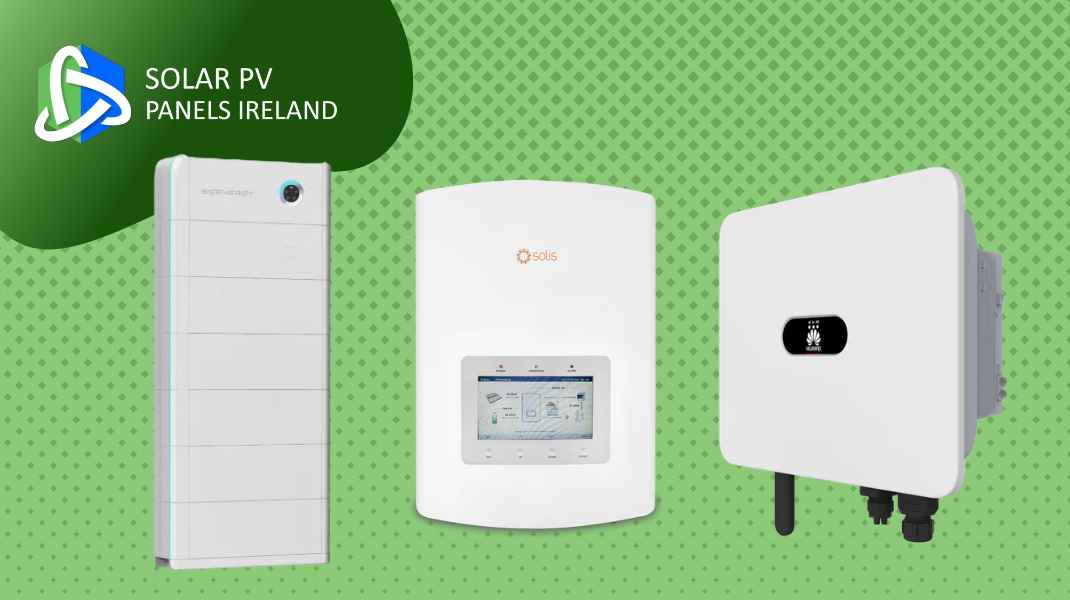
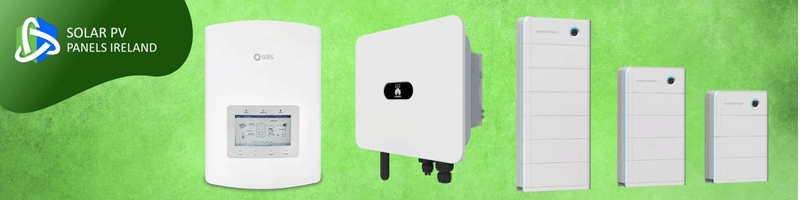
    • SIGENERGY: As a forward-thinking company, SIGENERGY integrates advanced AI learning technology into its inverters for optimal performance. Their products are also warrantied for outdoor installations, thanks to an IP66 rating, which ensures unparalleled battery safety features.
    • HUAWEI: A leader in both residential and commercial solar inverters, HUAWEI is often the go-to choice for larger installations due to their excellent price point and cutting-edge features. Their inverters are a solid option for any type of project.
    • SOLIS: Solis inverters are a no-fuss, cost-efficient solution. They are highly reliable and come with an easy-to-follow cloud application. Their battery management system is also compatible with many major brands of low-voltage batteries, making them a versatile choice.

    While each of these brands has its own strengths, the best inverter for you will depend on your specific needs, budget, and the characteristics of your property. Our team at Solar PV Panels Ireland can provide you with a tailored recommendation based on your energy consumption and roof layout.

    Inverter Lifespan and Warranty

    solar inverter

    A solar inverter is an electronic device with a finite lifespan. Typically, a string inverter will last between 10 to 15 years. Microinverters are designed to last longer, often with a lifespan of 20 to 25 years, which is similar to that of solar panels.

    The inverter’s warranty is an important factor to consider. Most manufacturers provide a standard warranty of 5 to 10 years, but many offer the option to purchase an extended warranty that can last up to 20 years. Given that your inverter is a central and hardworking component of your system, a longer warranty provides peace of mind and protection for your investment.

    The Future of Solar Inverters

    The solar inverter industry is constantly evolving. The trend is moving towards smarter, more integrated devices. In the near future, we can expect to see inverters with even greater efficiency, advanced AI-powered performance optimisation, and seamless integration with smart home systems and electric vehicles. The growing popularity of battery storage in Ireland means that hybrid inverters will likely become the standard for most new solar installations, giving homeowners even greater control over their energy usage.

    A solar inverter is so much more than a simple box on your wall. It is the sophisticated, hard-working component that makes your entire solar PV system possible. From converting DC to AC power to optimising your system’s performance and enabling battery storage, the inverter is a critical part of a modern, efficient solar energy system. Choosing the right one is a key step in ensuring your system provides maximum savings and performance for years to come.
    At Solar PV Panels Ireland, we are dedicated to helping homeowners navigate the complexities of solar technology. We provide and install only the highest quality inverters to ensure that you get the best possible return on your investment in renewable energy.

  • What are the Best Solar Panels in Ireland in 2026?

    What are the Best Solar Panels in Ireland in 2026?

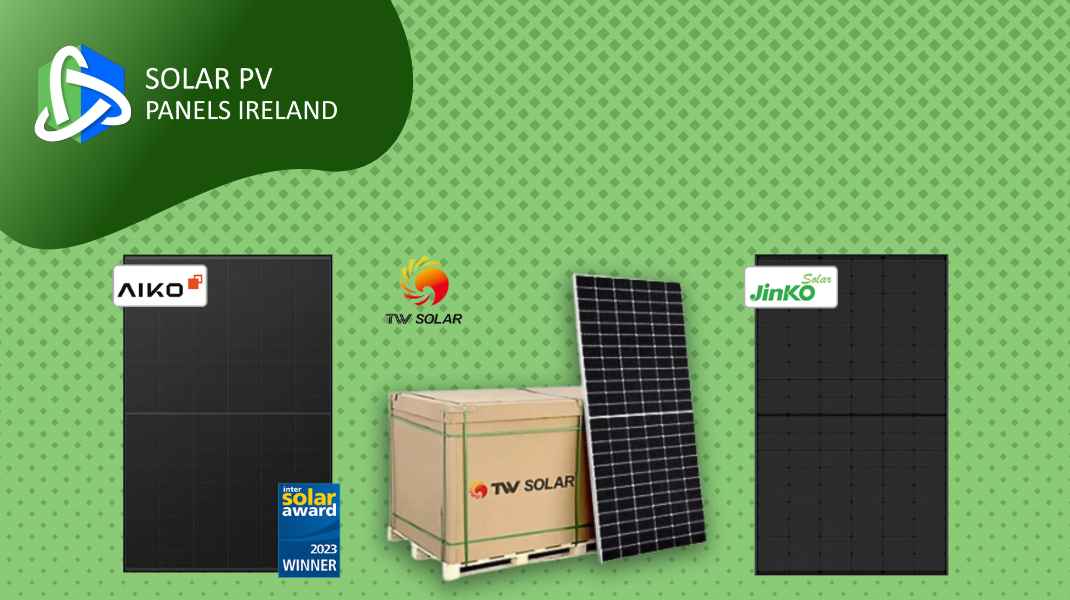
    Lets Take An In-Depth Look at Jinko, TW Solar, and AIKO

    Welcome to the definitive guide on the best solar panels available for Irish homes and businesses in 2026. There is a growing focus on sustainability and a pressing need to reduce energy bills. More and more people across Ireland are turning to solar power. But with a market full of options, choosing the right solar panels can be a tough task. The choice you make today will impact your energy savings and system performance for the next two to three decades. It’s crucial you get it right!

    At Solar PV Panels Ireland, we are committed to providing you with the most reliable and efficient solar panels. This article will cut through the noise and provide a detailed comparison of three leading brands. These guys are setting the standard for performance in 2026: Jinko Solar, TW Solar, and AIKO Solar. We’ll look at their technology, real-world performance, and why they are the best fit for Ireland’s climate.

    The New Standard: Why N-Type is the Future of Solar in Ireland

    For a long time, P-type monocrystalline PERC (Passivated Emitter and Rear Cell) panels dominated the market. They were reliable but they are now being taken over by the next generation of solar tech: N-type cells. You should keep this in mind if you’re considering solar in 2026. Keep Reading!

    N-type cells use a different doping process (phosphorus vs. boron). It makes them more resistant to a phenomenon called Light-Induced Degradation (LID). They degrade much less over time. Where a typical P-type panel might degrade by 2% in the first year and 0.55% annually after that, the very best N-type panels offer a first-year degradation of less than 1%. They have an annual rate after that of just 0.4% or lower. This means a much higher power output at the end of the panel’s lifespan. This guarantees you a better return on your investment.

    N-type panels, particularly those using TOPCon (Tunnel Oxide Passivated Contact) and ABC (All Back Contact) technologies, have better performance in low-light conditions. And they have a better temperature coefficient. The Irish weather is known for its frequent overcast days and cool temperatures. This makes these characteristics a game-changer. A lower temperature coefficient means the panel loses less efficiency as it heats up during the summer. This ensures consistent performance year-round.

    This year, the market leaders are pushing the boundaries of what is possible with N-type technology. They are delivering panels with efficiencies well over 24%. Some have power outputs exceeding 600W. Let’s look at how Jinko, TW Solar, and AIKO are using this technology to offer some of the best solar panels in the world at the minute.

    Jinko Solar: The Global Powerhouse of Innovation 

    jinko solar

    Jinko Solar is a household name in the worldwide solar industry. They are a Tier 1 manufacturer. They have a reputation for producing high-quality, reliable, and affordable panels at a really large scale. In 2026, Jinko continues to solidify its position as a market leader with its flagship Tiger Neo series solar panels.

    Key Features of Jinko Tiger Neo Panels:

    N-Type TOPCon Technology: The Tiger Neo series uses advanced N-type TOPCon cells. These offer superior efficiency and a longer lifespan compared to older P-type panels. This technology provides excellent low-light performance. It makes it a perfect match for the often pretty cloudy Irish weather.

    High Power Output: Jinko’s Tiger Neo modules can be got in a wide range of power outputs. Some models reaching up to 670W. This means much less panels are required to achieve a high-capacity system. This is ideal for homes with limited roof space.

    Lower Degradation: With it’s impressive performance warranty of 30 years, Jinko guarantees a very low annual degradation rate. After 30 years, their panels are guaranteed to produce at least 87.4% of their original power. This is one of the most impressive in the industry.

    Durability and Reliability: Jinko panels are known for their robust construction. They are designed to withstand the tough weather conditions of Ireland, including high winds and super heavy rain. They are also highly rated for their resistance to Potential Induced Degradation (PID) and microcracking. All ensuring long-term reliability.

    Warranty: The Tiger Neo series comes with a 12- to 15-year product warranty and a 30-year linear performance warranty. This is a strong testament to Jinko’s confidence in their product. This shows the quality and longevity.

    Jinko’s panels strike an excellent balance between cutting-edge performance and affordability. They are a great choice for homeowners and businesses seeking a high-quality and high-performance system from a globally trusted brand. The Tiger Neo series has a compelling value proposition. It makes solar accessible without compromising on power or longevity.

    TW Solar: An Emerging Leader with Superior Technology

    tw solar

    TW Solar (Tongwei Solar) is a name that is rapidly gaining recognition in the industry. And for good reason. While it’s a newer player in the panel manufacturing space, they are a massive, vertically integrated company. They have a long history in polysilicon and cell production. TW Solar has quickly established itself as a top-tier manufacturer. Their 2026 offerings prove they are a serious contender for the top spot.

    Key Features of TW Solar Panels:

    N-Type TOPCon 2.0: TW Solar’s panels feature their second-generation TNC 2.0 TOPCon cell structure. This is pushing the boundaries of efficiency. Some of their pre-production models have already gotten to a rated output of 765W and a crazy 24.6% efficiency. We can see their commitment to R&D. The commercially available panels like their half-cut N-type modules, offer excellent efficiency and power output. Very suitable for a wide range of applications.

    Low-Light Performance: The advanced cell technology in TW Solar panels is designed to maximise energy output. Especially on cloudy and overcast days. This is a crucial feature for the Irish climate. This ensures consistent power generation throughout the year and not just during peak summer hours.

    Bifacial Technology: Many TW Solar panels are bifacial, meaning they can generate electricity from both the front and back of the panel. While the main use case of this is in ground-mount or flat-roof installations, it can also provide a small boost in performance in some residential setups.

    Exceptional Durability and Warranty: TW Solar panels are built to last. They have a robust design that includes tempered glass on the front and back for enhanced protection. They offer a strong 25-year product warranty and a 30-year performance guarantee. Pair this with an extremely low annual degradation rate of just 0.4% after the first year.

    Aesthetic Options: TW Solar offers “all-black” options that provide a sleek, aesthetic look on residential rooftops. This appeals to homeowners who look for both performance and visual appeal.

    TW Solar panels are an excellent choice for those who want to invest in cutting-edge technology from a company with a really impressive manufacturing background. Their impressive efficiency ratings and long-term reliability make them a smart choice for any solar project in Ireland.

    AIKO Solar: The King of Efficiency

    aiko solar

    AIKO Solar is a brand synonymous with pushing the boundaries of solar efficiency. Initially a solar cell manufacturer, AIKO launched its own line of panels. They have quickly become a leader in the residential and commercial solar markets. They continue to hold the title of one of the most efficient solar panels on the market in 2026.

    Key Features of AIKO Neostar Panels:

    All-Back-Contact (ABC) Technology: AIKO’s panels are built with their proprietary N-type ABC technology. This groundbreaking design gets rid of the busbars on the front of the cell. These would normally shade a small part of the panel and reduce efficiency. By moving all contacts to the back, AIKO panels achieve a striking all-black appearance and much more importantly, they achieve some of the highest conversion efficiencies in the world. Some models exceeding 24.8%.

    Superior Performance: The Neostar series offers an outstanding power output per panel. They are the ideal solution for homes with limited roof space where every square metre really counts. The high efficiency of these panels means you can generate more energy from a smaller footprint. This allows for a more powerful system on a smaller roof.

    Partial Shading Optimisation: AIKO panels are designed with built-in partial shading optimisation. This provides a significant boost in performance compared to standard TOPCon panels. This is a valuable feature for Irish homes. Sometimes chimneys, dormer windows, or even tree branches can cause temporary shading.

    Durability and Longevity: AIKO’s panels are engineered for exceptional durability. They have features like micro-crack resistance. Their robust warranties reflect this, with a 25-year product warranty and a 30-year performance warranty. They also guarantee a minimum of 88.9% of the original output after 30 years.

    Aesthetic Appeal: The all-black, seamless design of AIKO panels is arguably the most visually appealing on the market. For homeowners who want a clean, modern look, the Neostar series offers a perfect blend of high performance and aesthetics.

    AIKO panels may come at a slightly higher price point but the long-term value they provide through their efficiency, lower degradation, and stunning aesthetics makes them a worthwhile investment. They suit anyone who wants the absolute best performance from their solar system.

    Making the Right Choice for Your Irish Home

    Choosing the best solar panel for your home is not a one-size-fits-all decision. Jinko, TW Solar, and AIKO all represent the pinnacle of solar technology in 2026. Each has a unique value proposition.

    • Choose Jinko if: You want a balance of proven reliability, high performance and competitive pricing from a global market leader. Jinko’s Tiger Neo series is a fantastic choice that offers a really good return on investment over the long term.
    • Choose TW Solar if: You are looking for a brand with cutting-edge technology and exceptional test results. TW Solar’s panels are a testament to their innovative approach. They offer high efficiency and great durability at a very good price point.
    • Choose AIKO if: You want the absolute highest efficiency, a premium all-black aesthetic and are willing to invest a little more money. For which, you get a superior, future-proof product. The high power output and advanced technology make AIKO ideal for roofs with limited space.

    No matter which brand you choose, the key takeaway for 2026 is to prioritise N-type technology. It represents a significant leap forward in performance and longevity. It ensures that your solar PV system will generate clean, affordable energy for decades.

    For a personalised consultation and a free, no-obligation quote, contact Solar PV Panels Ireland today. Our experts will assess your needs and help you find the perfect solar solution for your home. And it’ll be powered by the best panels in the business!

  • The Ultimate Guide to the Best Electric Vehicle Chargers in Ireland for 2026

    The Ultimate Guide to the Best Electric Vehicle Chargers in Ireland for 2026

    The roads of Ireland are steadily being electrified. With a growing commitment to sustainable transport, electric vehicles (EVs) are no longer a niche choice. They are a mainstream reality for countless households and businesses. As sales in Electric Vehicles continue to soar, the convenience and efficiency of home charging has become really important. In 2026, choosing the right EV charger for your Irish home isn’t just about plugging in. It’s about optimising your energy use, maximising savings and embracing a smart and green lifestyle.

    At Solar PV Panels Ireland, we understand the evolving needs of EV owners. Especially those looking to integrate their charging solutions with their existing or planned solar PV systems. We are committed to providing and installing the most efficient and intelligent EV chargers on the market. We ensure you power your journey with clean, sustainable energy. This guide will walk you through the best electric vehicle chargers available in Ireland for 2026. We’ll have a special focus on the leading innovations from MYENERGI ZAPPI and SIGENERGY, both of which we proudly offer.

    Why Home EV Charging is Essential in 2026

    For most EV owners, home charging is the most convenient and cost-effective way to keep their vehicle powered. Imagine waking up every morning to a fully charged car that is ready for your daily commute. Or next adventure! You won’t need to make detours to public charging stations. Beyond the convenience, home charging offers:

    Cost Savings: By charging during off-peak electricity hours, often overnight, you can significantly reduce your running costs compared to public rapid chargers. And compared to traditional petrol/diesel.

    Autonomy & Control: You dictate when and how your car charges. This gives you complete control over your energy consumption and billing.

    Environmental Benefits: Coupled with renewable energy sources like solar PV, home charging allows you to power your vehicle with truly green energy. This further reduces your carbon footprint.

    Future-Proofing Your Home: With the continuous rise in EV sales, installing a home charger is an excellent way to add value to your property and make it a bit more modern.

    Key Considerations When Choosing an EV Charger in Ireland

    cars

    Navigating the market for an EV charger can seem complex but understanding a few key factors will simplify your decision:

    Charging Speed (kW)

    For residential use in Ireland, the most common and practical EV charger output is 7.4 kW. This Level 2 charger can typically provide a full charge for most EVs in 3-6 hours. This makes it ideal for overnight charging. While higher outputs like 11 kW or even 22 kW are available, they often require a three-phase electricity supply. This is less common in standard Irish homes. For most homeowners, 7.4 kW strikes the perfect balance between speed and cost.

    Smart Features & Connectivity

    Modern EV chargers are far more than just power outlets. They come equipped with smart functionalities that allow for:

    App Control: Manage and monitor your charging sessions from your smartphone.

    Scheduling: Set specific times for charging to take advantage of off-peak electricity rates.

    Load Balancing: This crucial feature monitors your home’s overall electricity consumption. And it adjusts the charger’s power draw to prevent overloading your electrical supply.

    Remote Monitoring: Track your energy usage, cost savings and charger performance from anywhere.

    Solar PV Integration

    For homeowners with solar panels, the ability of an EV charger to integrate with your solar PV system is a real game-changer. Chargers designed for solar compatibility can divert surplus solar energy directly to your EV. This maximises your self-consumption of free, clean power and further reducing your reliance on grid electricity. This synergy between solar generation and EV charging represents the best of home energy efficiency.

    Tethered vs. Untethered

    Tethered Chargers: Come with a permanently attached cable and connector. This offers convenience as you don’t need to get your car’s charging cable out every time.

    Untethered Chargers: These have a socket. They require you to use your car’s portable charging cable or purchase a separate one. This offers flexibility if you have multiple EVs with different connector types. Or  you just prefer a tidier look when not in use.

    Safety & Durability

    Given Ireland’s often wet and windy climate, ensure your chosen charger is weatherproofed (rated IP54 or higher) and built to last. More importantly, make sure the charger meets all necessary Irish and European electrical safety standards. Professional installation by a Safe Electric registered professional is crucial for safety and compliance.

    Grant Eligibility & Cost

    The Sustainable Energy Authority of Ireland (SEAI) offers grants to support the installation of home EV chargers. As of 2026, these grants significantly reduce the net cost of installation. While the typical cost for installing a 7.4 kW home charger ranges between €1,000 and €1,500 (before the grant), the SEAI grant helps make this investment even more accessible. It often covers a substantial portion of the cost. Always check the latest SEAI grant details to ensure eligibility.

    Top EV Chargers in Ireland for 2026: A Detailed Look

    While the market offers a variety of excellent EV chargers, certain models stand out for their innovation, reliability, and suitability for the Irish homeowner. Particularly those with an eye on solar integration.

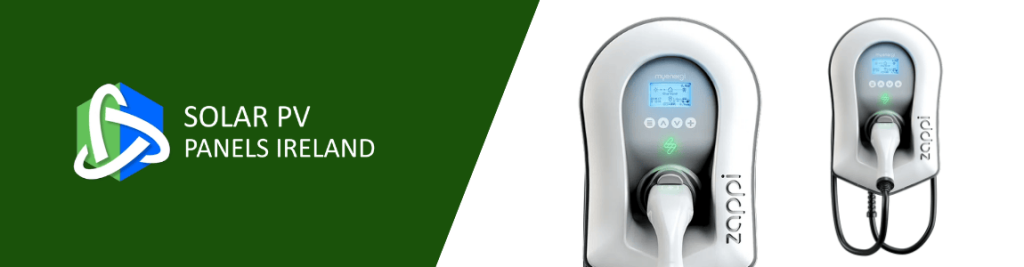
    MYENERGI ZAPPI: The Solar EV Charging Champion

    MYENERGI ZAPPI

    The myenergi Zappi is, without doubt, the most popular EV charger on the market for solar panel owners in Ireland. And for very good reason. Designed with energy independence in mind, the Zappi truly maximises your self-consumption of renewable energy.

    Key Features & Benefits:

    • Solar Optimisation (Eco+ & Eco Modes): Zappi’s standout feature is its ability to divert surplus solar power directly to your EV. In Eco+ mode, it intelligently charges your car using only your self-generated solar energy, pausing or adjusting if too much power is drawn from the grid. In Eco mode, it prioritises solar but will top up from the grid if needed. This means you can charge your car for free, directly from your solar panels.
    • MyEnergi App Control: Full control is at your fingertips with the intuitive MyEnergi app. Monitor your energy usage, set charging schedules to benefit from off-peak rates, and enable fast-charge settings when you need a quick boost.
    • Flexible Charging: Zappi offers various charging modes, including “Fast” for rapid charging regardless of solar availability, making it versatile for all situations.
    • Robust & Built for Ireland: Designed to withstand the unpredictable Irish weather, Zappi units are durable and reliable, ensuring long-term performance.
    • SEAI-Approved: Eligible for the home charger grant, making your investment even more worthwhile.
    • Future-Proof: Available in both single and three-phase models, Zappi caters to various electrical setups and is designed to integrate with other myenergi products like Eddi (power diverter) and Libbi (battery storage).

    For any home with solar PV panels, the Zappi charger is the ultimate choice, turning your clean energy generation directly into mileage for your electric vehicle.

    SIGENERGY: Smart, Solar-Optimised Charging

    SIGENERGY

    SIGENERGY represents another excellent choice for sophisticated EV charging, particularly for those looking for advanced integration with home energy storage systems. The Sigen EV AC Charger empowers you to take control of your energy consumption and savings.

    Key Features & Benefits:

    • Leveraging Solar Energy: Like the Zappi, the Sigenergy charger is designed to seamlessly integrate with solar PV systems, allowing you to charge your EV using clean, self-generated power instead of relying solely on grid electricity.
    • Intelligent Charging Options: This charger goes a step further by offering intelligent charging modes that can:
      • Prioritise Low Utility Rates: Schedule charging to occur when electricity prices are lowest, optimising your energy expenditure.
      • Integrate with Home Energy Storage: Tap into the power stored in your home battery system, allowing you to charge your EV even when the sun isn’t shining, completely off-grid.
    • Comprehensive Energy Management: SIGENERGY solutions often extend beyond just the EV charger, forming a complete ecosystem that can manage your solar generation, battery storage and EV charging for holistic home energy optimisation.

    For those seeking a highly intelligent charger that integrates deeply with a comprehensive home energy management system, SIGENERGY offers a compelling and future-ready solution.

    Other Highly-Rated EV Chargers

    While Zappi and Sigenergy are top contenders, especially for solar homeowners, it’s worth noting other excellent chargers that feature prominently in the market:

    • Ohme Home Pro: A popular choice in Ireland known for its smart charging capabilities, including tariff integration to automatically charge when electricity is cheapest. It often features an LCD screen and a tethered cable.
    • Wallbox Pulsar Plus: This compact yet powerful charger is a global favourite, lauded for its sleek design, user-friendly app, and robust performance. It offers smart features like power sharing and scheduling.
    • ChargePoint Home Flex: Known for its comprehensive app, which provides nuanced cost tracking and integrates with ChargePoint’s extensive public charging network. Newer 2026 models are even pushing boundaries with higher 19.2kW Level 2 charging capabilities, an “Omni Port” that supports both J1772 and NACS connectors, and bi-directional charging capabilities (though requiring additional home integration).
    • Emporia EV Charger: Often highlighted for its excellent features at an attractive price point, including sophisticated load management.

    The Synergies of Solar PV and EV Charging

    solar panels on roof

    For Solar PV Panels Ireland clients, the decision to install an EV charger is perfectly complemented by a solar PV system. The synergy is undeniable:

    • Maximised Savings: Generate your own electricity, store it in batteries, and then use it to charge your car, drastically reducing or even eliminating your electricity bills for transportation.
    • Enhanced Energy Independence: Less reliance on fluctuating grid prices and public charging infrastructure.
    • Reduced Carbon Footprint: Drive with zero tailpipe emissions, powered by 100% clean, renewable energy.
    • Optimised System Performance: Solar-compatible chargers like Zappi and Sigenergy intelligently manage power flow, ensuring your self-generated energy is used efficiently before drawing from the grid.

    At Solar PV Panels Ireland, we are experts in designing and installing integrated solar and EV charging solutions that are tailored to your specific needs, helping you achieve true energy independence.

    Professional Installation & SEAI Grants: Your Path to Home Charging

    Regardless of the EV charger you choose, professional installation by a certified and Safe Electric registered electrician is paramount. This ensures your charger is safely and correctly installed, compliant with all Irish electrical regulations, and eligible for any available grants.

    The SEAI Home Charger Grant remains a significant incentive for Irish homeowners. Make sure you check the latest requirements and application process through the SEAI website. A qualified installer, like Solar PV Panels Ireland, can guide you through the grant application process, making it as smooth as possible.

    Going Forward

    As we move further into 2026, the landscape of electric vehicle charging in Ireland is more advanced and accessible than ever before. With innovative chargers like the MYENERGI ZAPPI and SIGENERGY leading the charge, combined with the power of solar PV, Irish homeowners have unprecedented opportunities to embrace sustainable transport and significantly reduce their energy costs.

    Choosing the best EV charger depends on your specific needs, budget and whether you want to integrate with solar. However, the common thread among the top contenders is smart technology, reliability, and the ability to enhance your home energy ecosystem.

    At Solar PV Panels Ireland, we are committed to providing cutting-edge EV charging solutions tailored for the Irish market. Contact us today for a consultation, and let us help you find and install the perfect EV charger to power your electric journey efficiently and sustainably.

  • What Type of Energy is Used by a Solar Panel?

    What Type of Energy is Used by a Solar Panel?

    You’ve seen them popping up on roofs all over you community. Those dark, glass-like sheets that everyone seems to be talking about lately. But are you still wondering, “Right, but what are they actually doing up there?”. You aren’t alone. At Solar PV Panels Ireland, we get that question a lot. People want to know the whats the actual fuel for solar panels. Is it heat? Is it the actual sun? What happens when it’s lashing rain for three days straight?

    The short answer. It’s light. Not heat, not “good weather,” just plain old daylight. But the way that light turns into the power that boils the water in your kettle for your morning tea is actually a bit of a trick of nature. If you’re thinking about making the jump to renewables, knowing how this works makes the whole investment feel a lot less like “magic” and a lot more like common sense. Which I think can be helpful. So keep reading!

    Forget the Heat. It’s All About the Photons

    There is a huge misconception that you need a scorcher of a day for solar panels to work. Honestly if it was 40 degrees Celsius in Ireland, your solar panels would actually be less happy. Solar panels use radiant energy. This is energy carried by light particles called photons.

    Think of these photons as tiny, invisible tennis balls being fired from the sun. On a clear summer day, there’s a steady stream of them hitting your roof. On a cloudy, overcast Tuesday in November? They’re still there, just bouncing off the clouds first. When these photons hit the silicon inside your panels, they knock electrons loose. This knocking loose is the heart of the whole thing. It’s called the Photovoltaic Effect and it’s how we get electricity from thin air.

    Why Cloudy Actually Work for Solar

    solar panels

    We hear it constantly, “Sure we haven’t got the sun for solar power here do we?” But here’s the thing. Solar panels don’t need sunshine in the way we think about it for a holiday in Spain. They need irradiance.

    There are two types of light hitting your roof. You’ve got direct light (the stuff that makes you squint) and diffuse light (the light that’s scattered by our lovely Irish clouds). Modern panels are incredibly sensitive. They’re designed to soak up that diffuse light. In fact, because our weather stays relatively cool and we get plenty of rain to wash off the dust, our panels often perform better than panels sitting in a boiling hot desert. We have a clean kind of light here that’s perfect for generating power.

    Photovoltaic vs. Thermal

    If you’re looking at your roof and trying to decide what you need. You’ve got to pick between two very different ways of using the sun’s energy.

    • Solar PV (Photovoltaic): This is what most of our customers at Solar PV Panels Ireland go for. It takes the radiant light and turns it into electricity. It’s the gold standard because electricity can do everything. It can run your fridge, charge your phone or even run a heat pump.
    • Solar Thermal: This is an older school of thought. It uses the sun’s energy to create thermal energy (heat). It’s basically a way to get a tank of hot water. It’s fine, but you can’t exactly use a tank of hot water to watch a match on TV.

    Electricity is just more flexible. That’s why we see everyone switching over or choosing PV for their new builds. You can even use your PV electricity to heat your water with a smart diverter. Giving you the best of both worlds.

    The Journey from DC to AC

    panels on roof

    The energy your panels create is Direct Current (DC). Now, unless you’re living in a caravan or off a battery alone, your house isn’t set up for DC. Your washing machine, your kettle and your lights all want Alternating Current (AC).

    To fix this, we install an inverter. This is the real workhorse of the system. It takes that raw DC energy from the sun and flips it into AC energy that your house can understand. It also acts as the traffic warden for your power. If you want to see how we set these up for maximum efficiency, check out our installation guide here.

    Keeping the Lights on After Dark: Battery Storage

    Since panels use light, they obviously stop working the moment the sun goes down. But that’s usually when we’re all at home, turning on the lights and putting the oven on. If you don’t have a way to store that energy, it just goes back to the grid.

    This is where Battery Storage comes into play. Think of it as a bucket for all that light energy you caught during the day. Instead of letting the extra power leak out, you keep it for the evening. It’s one of the best ways to really stick it to the big energy providers and their ever-rising prices. You’re using your energy on your terms. 

    The SEAI Grant: Don’t Leave Money on the Table

    solar panels in field

    The Irish government is actually being quite good about this. Because they need to hit carbon targets, the SEAI (Sustainable Energy Authority of Ireland) is offering big grants to help you get these systems installed.

    You can currently get up to €1,800 off the cost. When you combine that with the fact that you aren’t paying for electricity during the day, the system starts paying for itself pretty fast. We handle a lot of the headache-inducing paperwork for our clients at Solar PV Panels Ireland, so you can just focus on watching your meter slow down. Have a look at our SEAI Grants post to see if you qualify.

    Getting Paid for Your Leftovers

    One of the coolest things about the energy used by solar panels today is the Clean Export Guarantee (CEG). Let’s say you’re on holidays, or it’s a bright Sunday and you aren’t using much power. Your panels are still catching light and making electricity.

    Once your battery is full, that energy goes out into the national grid. In the old days, you just gave that away for free. Not anymore. Now, your energy supplier has to pay you for it. You’ll see a credit on your bill. It’s a strange but lovely feeling to open a utility bill and see that they owe you money for a change.

    Zero Moving Parts, Zero Hassle

    solar panels

    Because solar panels are using solid physics to turn light into power, there’s nothing to break. There are no engines, no spinning turbines, and no gears. It’s a silent, clean process.

    A lot of people worry about maintenance, but really, the Irish rain does a lot of the cleaning for you. As long as you don’t have a massive tree shading the panels or a flock of pigeons making a mess, they’ll keep humming along (silently) for 25 to 30 years. If you want to know more about the long-term care of your system, our blog has all the bits and pieces you need to know.

    Why Partner with Solar PV Panels Ireland?

    We know there are loads of companies out there claiming to be the best. But we live here, we know the Irish roof types, and we know exactly how the light hits in different parts of the country.

    We don’t just slap panels on. We look at your electricity bills, see when you’re using the most power, and design a system that captures the right amount of energy for you. We use high-grade panels that are built for our specific weather, strong enough to handle a “beast from the east” and sensitive enough to work on a foggy morning.

    The Power is Up There

    solar pv panels ireland

    At the end of the day, the type of energy used by a solar panel is the most reliable thing we have. The sun comes up every morning, even if we can’t always see it behind the clouds. By putting panels on your roof, you’re just putting out a catcher’s mitt for all that free energy that’s already falling on your house.

    It’s cleaner, it’s cheaper, and it’s yours. Why keep paying for expensive, imported gas and coal when you have a power station sitting right above your head?

    If you’re ready to stop wondering and start saving, get in touch with us at Solar PV Panels Ireland. We’ll give you a no-nonsense, honest assessment of what solar can do for your home. No pressure, just good advice and a plan to get your bills down. Let’s make the most of the light!