Summary
- Master the Kitchen: Small changes like only boiling the water you need in the kettle and swapping the oven for an air fryer or microwave can significantly cut your daily energy usage.
- Kill the “Vampire” Loads: Unplugging chargers and switching off appliances at the wall rather than leaving them on standby prevents constant, “hidden” electricity drainage.
- Optimise Laundry & Hot Water: Running full loads at 30°C and keeping showers under five minutes are among the fastest ways to see a lower figure on your next bill.
- The Long-Term Win: While habits help, installing Solar PV panels is the most effective way to protect yourself from rising costs by generating your own free, clean power.
Let’s be honest, nobody enjoys opening an electricity bill these days. Over the last couple of years, watching the numbers climb has become a bit of a national pastime in Ireland and not the fun kind. Between the kettle constantly on for tea and the immersion heater being the sworn enemy of every Irish parent, our homes are hungry for power.
The good news is that saving electricity isn’t actually about sitting in the dark or shivering under three duvets. It’s more about being a bit “street smart” with how we use what we have. Most of us are wasting money without even realising it.
If you’re looking to trim the fat off your monthly outgoings, here is a comprehensive guide to clawing back some of that hard-earned cash by making your home more energy-efficient.
1. The Kitchen: Where the Money Goes
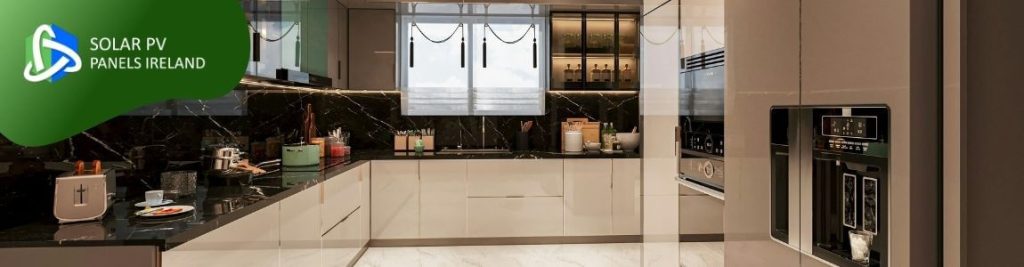
The kitchen is arguably the biggest “energy hog” in the house. Think about it: you’ve got appliances designed to get things freezing cold and others designed to get things boiling hot. That’s a lot of heavy lifting for your electricity meter.
The Kettle Conundrum We are a nation of tea drinkers. But did you know that boiling a full kettle when you only need one mug is one of the most common ways to waste electricity? It takes a massive amount of energy to bring two litres of water to a boil. Only fill it with what you need. It’s faster, and your bill will thank you.
Cooking Smart If you’re using the oven for a single jacket potato, you’re essentially burning money. Where possible, use the microwave or an air fryer, they are significantly cheaper to run because they heat a smaller space much faster. If you are using the hob, keep the lids on your pots. It keeps the heat in, meaning you can turn the ring down sooner.
The Fridge-Freezer Balance Your fridge and freezer are on 24/7. To keep them efficient, make sure they aren’t pushed right against the wall; they need a bit of “breathing room” for air to circulate behind them. Also, check the seals. If a cold draught is escaping, the motor has to work twice as hard to keep your milk cold.
2. Laundry Habits That Pay Off
We’ve all been guilty of throwing a few items into the wash because we need a specific shirt for Friday night. But those half-loads are a silent budget killer.
Wait for a Full Load It sounds basic, but only running the washing machine or dishwasher when they are actually full makes a massive difference over a year. If you have a “half-load” or “eco” setting, use it.
Turn Down the Temperature Modern detergents are incredibly effective. You really don’t need a 60-degree wash for your everyday clothes. Dropping to 30 degrees uses roughly 40% less electricity. Unless you’re trying to get grass stains out of rugby kit, 30 is plenty.
The Great Tumble Dryer Debate Tumble dryers are essentially giant hair dryers that run for an hour. They are incredibly expensive to run. On a dry Irish day (rare as they may be!), get the clothes out on the line. If you have to dry indoors, use a clothes horse in a well-ventilated room rather than leaning on the dryer.
3. The “Vampire Power” Drain
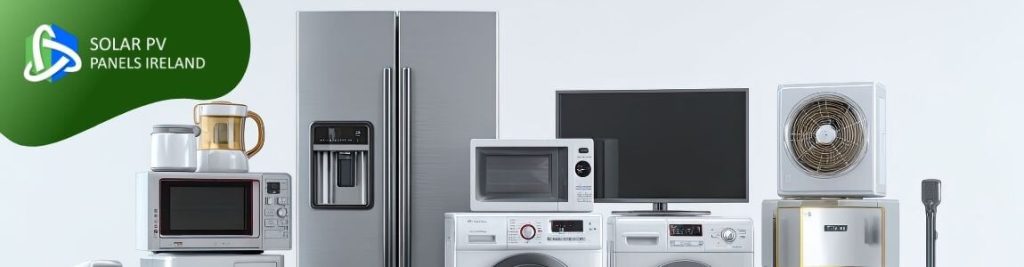
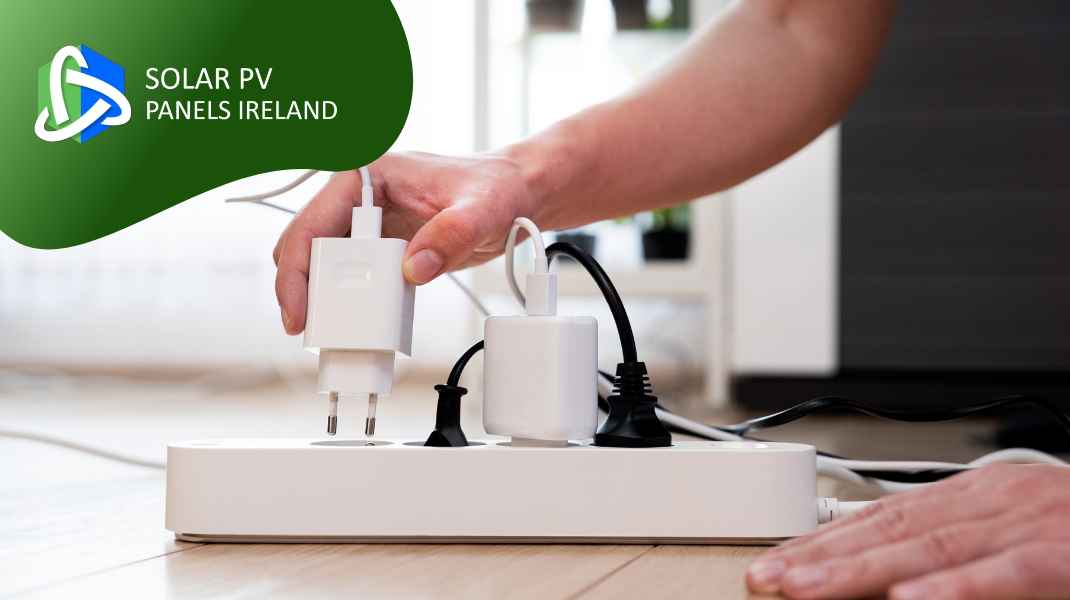
This is the one that surprises people. “Vampire power” (or standby power) refers to the energy consumed by appliances when they are switched off but still plugged in.
That little red light on your TV? The microwave clock? The phone charger plugged in with no phone attached? They are all sipping electricity. It might only be a few cents a day, but across 10 or 15 devices, it adds up to a decent chunk of money by the end of the year. If you aren’t using it, flick the switch at the wall.
4. Lighting: The Low-Hanging Fruit

If you haven’t swapped your old halogen or incandescent bulbs for LEDs yet, make that your job for this weekend. LED bulbs use about 80-90% less energy than traditional bulbs and last for years. It’s one of the few energy-saving tips that pays for itself within a matter of months.
And, of course, the golden rule our parents shouted at us: turn the lights off when you leave the room!
5. Mastering the Immersion and Hot Water
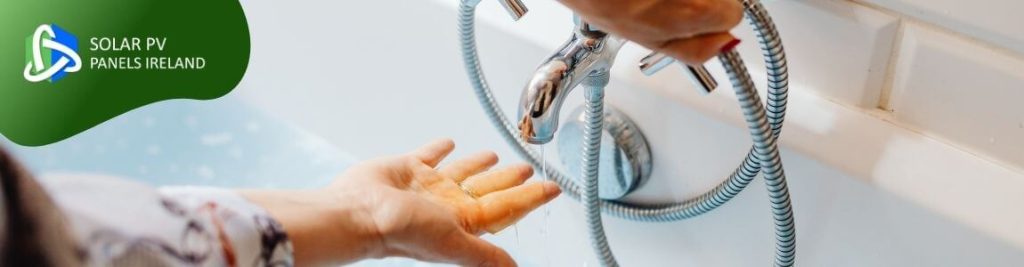
The “immersion” is a legendary figure in Irish households, usually associated with the fear of leaving it on. And for good reason, it’s an expensive way to heat water.
If you have an electric shower, try to keep your time in there to under five minutes. If everyone in a four-person household knocks two minutes off their shower time, the savings are actually quite staggering. Also, make sure your hot water cylinder has a good “jacket” or insulation. Keeping that water hot for longer means you don’t have to fire up the heater as often.
6. Understanding Your Bill (and Your Timing)

Are you on a “Time of Use” tariff? Many Irish providers now offer cheaper electricity at night or during specific “free” periods on weekends.
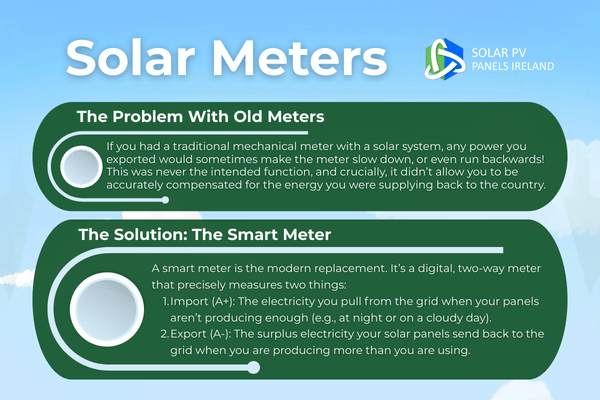
If you have a smart meter, find out when your cheapest hours are. If electricity is half price after 11 PM, that’s the time to set the dishwasher or washing machine to run. It’s the same amount of energy, just at a much better price.
7. Heat Preservation

Electricity isn’t just about gadgets; it’s about the environment they sit in. If your home is draughty, you’ll likely use more electricity on plug-in heaters or keeping the lights on because the house feels “gloomy” and cold.
Close your curtains as soon as the sun goes down to keep the heat in. Use draught excluders (the classic “sausage dog” at the bottom of the door) to stop the cold air from creeping in. The warmer your house stays naturally, the less you’ll rely on expensive electrical boosters.
The Ultimate Way to Save: Solar PV
While all these tips will certainly help you shave a bit off your monthly bill, there is only so much you can do by turning off lights and boiling less water. If you really want to take control of your energy costs and stop worrying about price hikes from the big suppliers, it’s time to look at Solar PV panels.
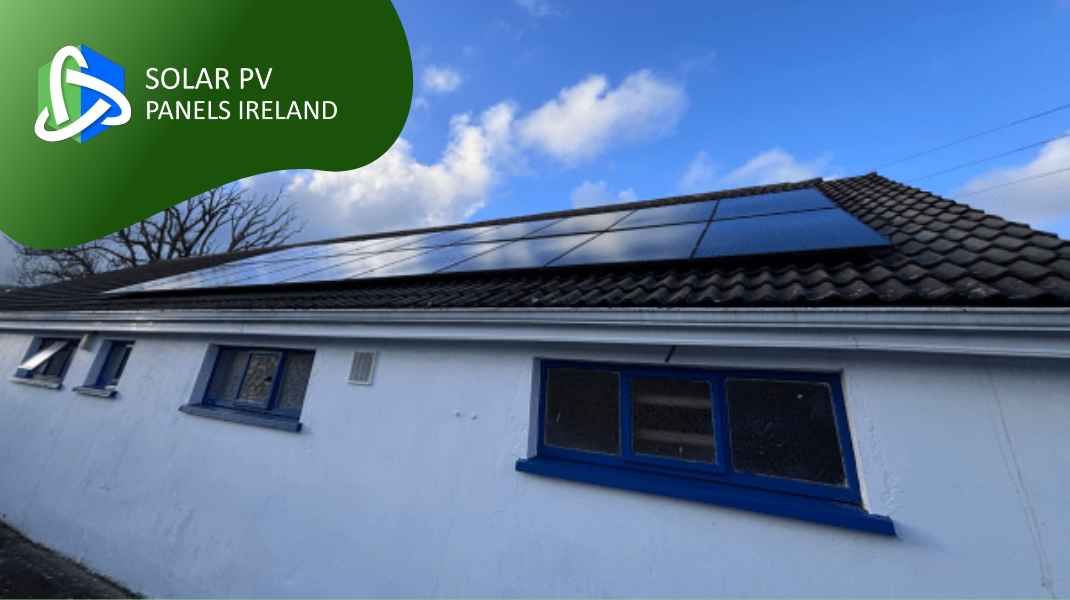
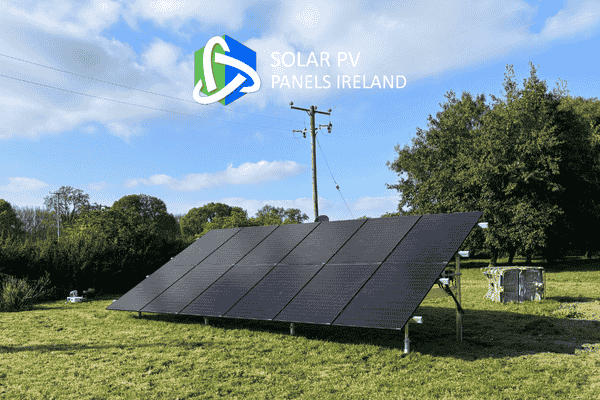
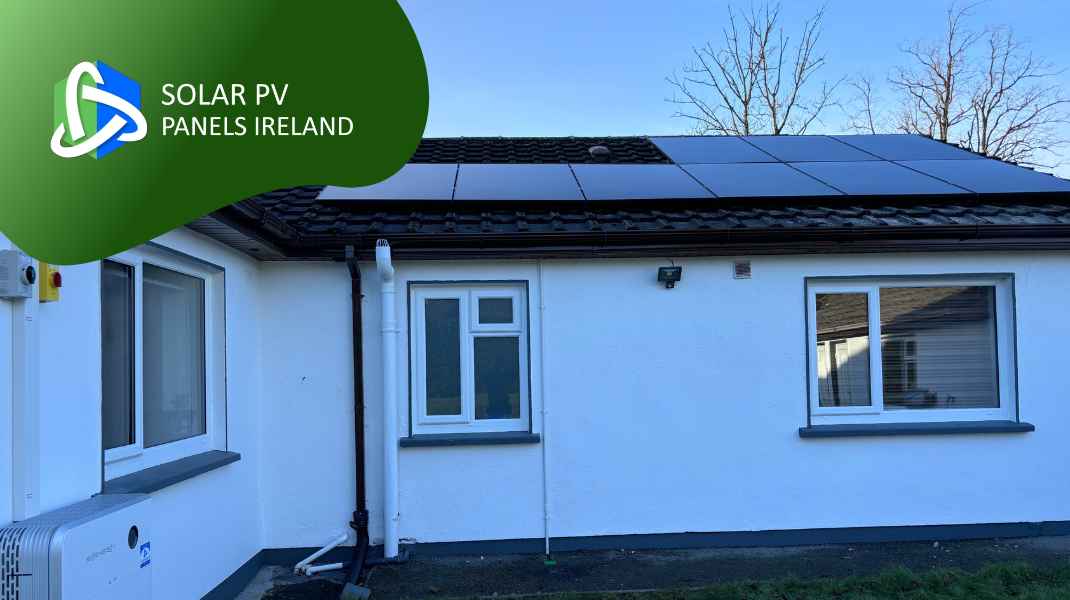
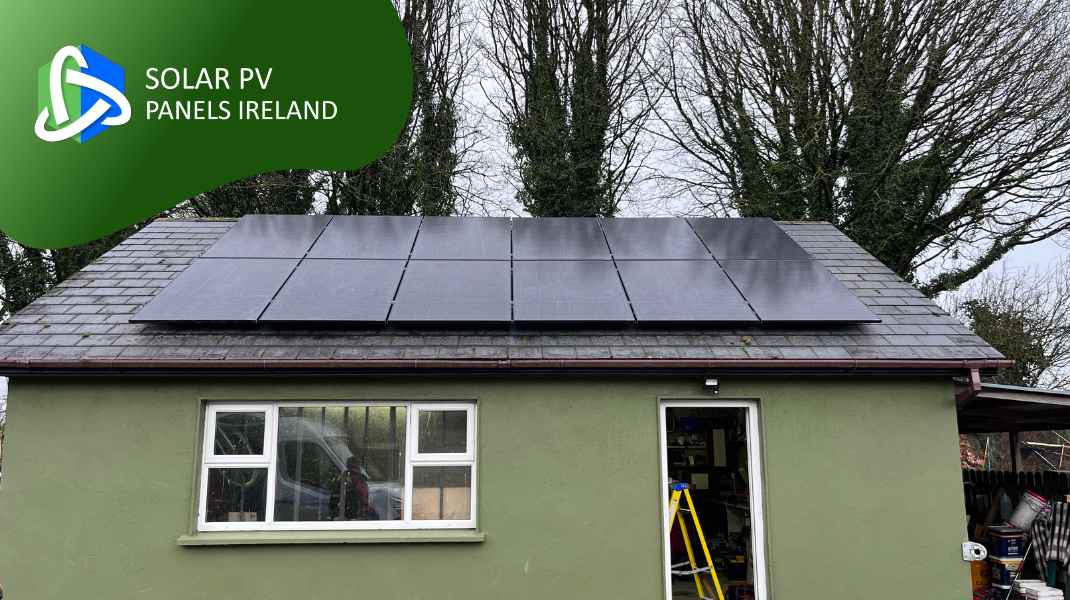
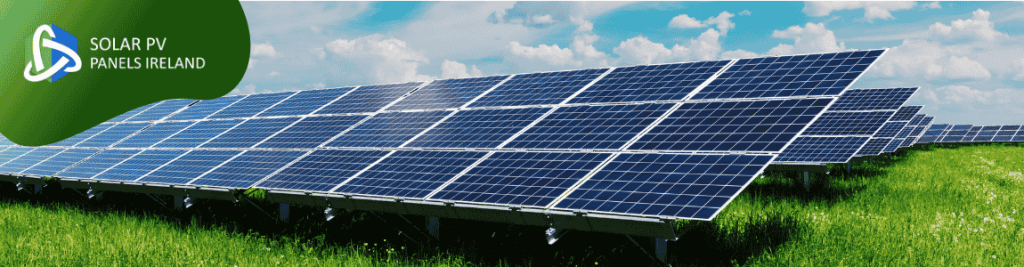
At Solar PV Panels Ireland, we help homeowners across the country turn their roofs into their own private power stations. By installing solar panels, you can generate your own clean, free electricity directly from the sun (and yes, they work perfectly fine with Ireland’s “bright-grey” skies!).
Solar is no longer a futuristic luxury; it’s a smart, high-return investment. Not only do you drastically reduce your reliance on the grid, but with modern battery storage, you can keep that free energy to use in the evening. Plus, with the current SEAI grants available, there has never been a more affordable time to make the switch.
We pride ourselves on a professional, no-nonsense fitting service, ensuring your system is optimised for the Irish climate. If you’re tired of being at the mercy of rising electricity prices, get in touch with us today. Let’s see how much we can save you!