Summary
- Busting the Weather Myth: Solar panels don’t need direct sun; they run on daylight. Ireland’s cooler climate actually helps panels work more efficiently than in extreme heat.
- Affordable & Profitable: Thanks to SEAI grants of up to €2,100 and the ability to sell excess power back to the grid (CEG), solar is a high-return investment, not an expensive luxury.
- Zero-Hassle Durability: Modern panels are virtually maintenance-free. They are designed to withstand Irish storms, and come with performance warranties lasting 25 years or more.
- Property Value Boost: Far from being an eyesore, sleek modern solar arrays improve your home’s BER rating and market value, making your property more attractive to future buyers.
Solar energy is rapidly gaining attention as a sustainable and cost-effective power solution across the globe and Ireland is no exception. With a growing emphasis on renewable resources and energy independence, many Irish homeowners and businesses are considering making the switch to solar panels. However, like any emerging technology, solar power is often surrounded by a cloud of misconceptions and myths that can deter potential customers. These myths, ranging from concerns about Ireland’s famously cloudy weather to installation costs, can obscure the genuine benefits and advancements in solar technology.
This article aims to shine a light on the truth, debunking 10 common solar panel myths specifically relevant to the Irish solar panel industry. By understanding the realities of solar power in Ireland, you can make an informed decision about embracing this clean, green energy source.
Myth 1: Solar Panels Are Only Effective in Sunny Climates
One of the most persistent myths in Ireland is that solar panels are ineffective due to the country’s reputation for cloudy and rainy weather. The truth is, solar panels generate electricity from daylight, not just direct sunlight. While direct sun yields the highest output, even on overcast days, solar panels continue to produce energy. Modern solar technology is highly efficient and designed to capture diffused sunlight, making them remarkably effective even under cloudy Irish skies. In fact, cooler temperatures, common in Ireland, can even enhance the efficiency of solar panels, as excessive heat can reduce their performance. Therefore, Ireland’s climate is far from unsuitable for solar power, it’s ideal for it.
Myth 2: Solar Panels Are Too Expensive to Install
The upfront cost of installing solar panels is a significant concern for many, leading to the misconception that it’s an unaffordable luxury. While there is an initial investment, the cost of solar panel technology has dramatically decreased over the past decade due to advancements, mass production, and increased market competition. Furthermore, the Irish government and agencies like the Sustainable Energy Authority of Ireland (SEAI) offer substantial grants and incentives to make solar power more accessible. For residential customers, grants up to €2,100 can significantly offset installation costs. These grants, combined with long-term savings on electricity bills and the potential to earn income by selling excess energy back to the grid (through schemes like the Clean Export Guarantee – CEG), make solar panels a financially sound investment with attractive payback potential.
Myth 3: Solar Panels Require Constant Maintenance
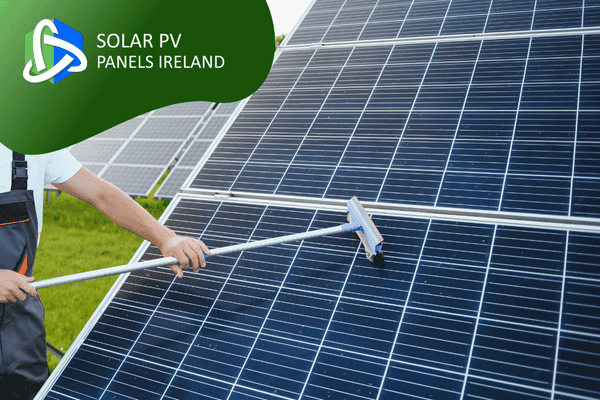
Contrary to popular belief, solar panels are remarkably low-maintenance. They are designed to be durable and withstand harsh weather conditions, including strong winds and heavy rain, which naturally help to keep them clean. Typically, solar panels only require routine inspections every few years and occasional cleaning, particularly if dirt, leaves, or bird droppings accumulate and obscure the panels. Most reputable installers offer long warranties, often 25 years or more, guaranteeing their performance and durability. This minimal maintenance requirement makes solar panels a hassle-free addition to any property, allowing owners to enjoy consistent energy generation without constant upkeep.
Myth 4: Solar Panels Can’t Power Homes at Night
This myth stems from the obvious fact that solar panels don’t produce electricity when the sun isn’t shining. However, it overlooks the advancements in energy storage solutions and grid connectivity. Homes with solar panels in Ireland can either store excess energy generated during the day in battery storage systems for use at night. Alternatively, grid-tied systems allow homeowners to draw electricity from the national grid when their panels aren’t producing enough and export surplus electricity back to the grid when production is high. This ensures a continuous and reliable power supply, bridging the gap between daytime generation and nighttime consumption.
Myth 5: Solar Panels Are Unattractive and Distracting
The image of bulky, obtrusive solar panels is largely outdated. Modern solar panel designs are increasingly sleek, aesthetic, and can be seamlessly integrated into various architectural styles. Manufacturers now offer panels with low profiles, different colours, and even roof-integrated options that blend harmoniously with the existing roofline, making them barely noticeable. Many contemporary homes are designed with solar aesthetics in mind, transforming panels from a functional addition into a desirable architectural feature that enhances the property’s modern appeal.
Myth 6: Solar Panels Are Harmful to the Environment
This myth is a complete contradiction to the very essence of solar energy. Solar panels are a cornerstone of clean and sustainable energy. They produce electricity without generating greenhouse gases, harmful emissions or polluting air and water during operation. While the manufacturing process of solar panels does have an environmental footprint, ongoing advancements are making production increasingly sustainable, and the long-term environmental benefits vastly outweigh this initial impact. Furthermore, many components of solar panels, such as silicon and aluminium, are recyclable, contributing to a circular economy. Choosing solar power significantly reduces reliance on fossil fuels, directly contributing to a cleaner, healthier planet.
Myth 7: Solar Panels Are Only for Off-Grid Living
While solar panels are indeed vital for off-grid living, their primary application in Ireland and many developed countries is to supplement traditional grid power. Most solar panel installations in Ireland are grid-tied systems. This means they remain connected to the national electricity grid, using solar power as the primary source and drawing from the grid when needed (e.g., at night or during peak demand). This hybrid approach offers the best of both worlds: energy independence and reduced electricity bills, coupled with the security of a continuous power supply. It also allows homeowners to benefit from schemes that pay them for excess electricity exported to the grid.
Myth 8: Solar Panels Decrease Property Values
This myth is entirely untrue, in fact, the opposite is true. Installing solar panels typically increases property value. As energy costs rise and environmental consciousness grows, homes equipped with solar panels become highly attractive to potential buyers. They offer the promise of significantly lower energy bills, a reduced carbon footprint, and a modern, sustainable lifestyle. A property with an installed solar system is often viewed as a forward-thinking investment, providing immediate and long-term financial benefits that appeal strongly to a lot of individuals.
Myth 9: Solar Panels Are Inefficient in Cold Climates
This myth is similar to the “only effective in sunny climates” myth but focuses on temperature. As previously mentioned, solar panels can actually perform better in cold, sunny conditions. The efficiency of a solar panel can decrease with excessively high temperatures, as heat can reduce the electrical conductivity of the silicon. Therefore, cooler temperatures in Ireland can contribute to optimal electrical performance, provided there is sufficient daylight. Snow cover can temporarily block sunlight but panels are generally installed at an angle that allows snow to slide off and their dark surface can also help melt snow.
Myth 10: Solar Panels Have a Short Lifespan
Solar panels are built to last. The industry standard warranty for solar panel performance is typically 25 years, guaranteeing that the panels will still produce a significant percentage of their original power output (often 80-90%) after this period. Many systems continue to function effectively and produce electricity well beyond their warranty period, sometimes for 30 years or even more with proper care. The components are robust, designed to withstand decades of exposure to various weather conditions, making solar panels a long-term investment that provides energy benefits for a substantial portion of a home’s lifespan.
The landscape of energy production in Ireland is evolving and solar power is playing an increasingly vital role. By dispelling these common myths, it becomes clear that solar panels are a viable, cost-effective and environmentally friendly energy solution for Irish homes and businesses. With supportive government policies, technological advancements and a growing understanding of their benefits, the future of solar energy in Ireland is bright. It’s time to look past the misconceptions and embrace the power of the sun for a sustainable future.